


























































































































































































Introducing a new puppy to your current dog is often an exciting process, and many dogs will become fast friends and eas...
Read MoreAdopt Me

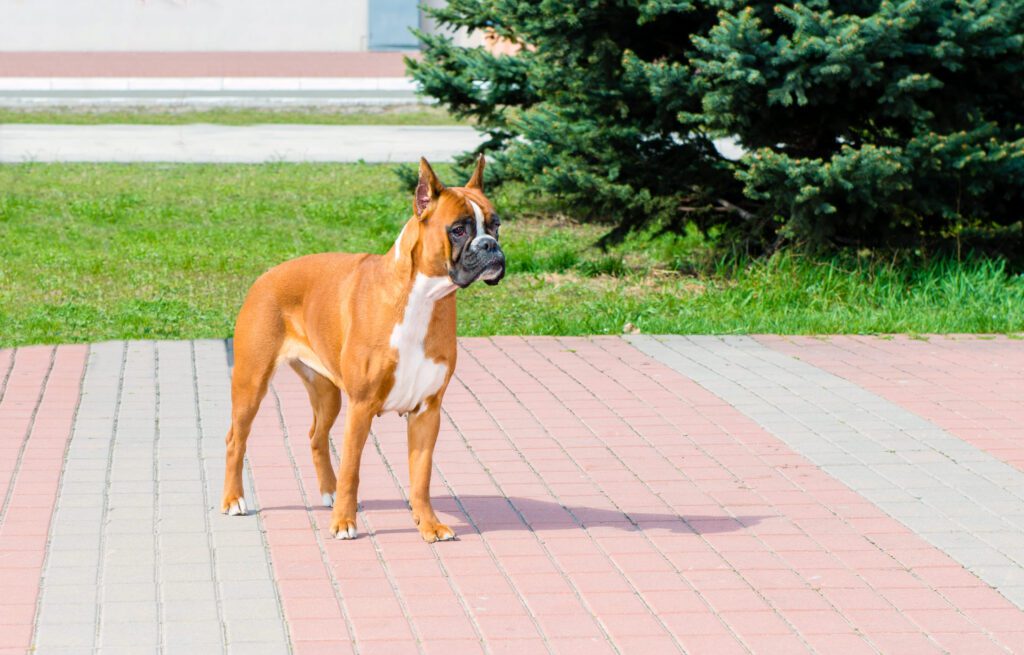

Boxers are bright, athletic, and deeply affectionate. They bond closely with their people and bring steady fun to active households. Their playful energy pairs with loyal watchfulness, which makes the breed a loving family guardian that thrives on attention and clear structure.
Research matters before you adopt a Boxer. The breed needs daily exercise, steady socialization, and consistent training. Adoption is often the best path because it gives a dog a second chance, offers transparent behavior and medical histories, and usually includes essential veterinary care at a lower cost than buying.
Montana offers wide open spaces, scenic trails, and a lifestyle that rewards outdoor time. The state also brings cold winters, dry air, and high elevation in many areas. A Boxer has a short coat and a short muzzle, which means cold and heat can be challenging. Plan winter gear, limit time outside during severe cold, and avoid strenuous midday exercise during hot spells. Rural properties benefit from secure fencing and supervision due to wildlife. Urban living can also work if you provide daily walks, play, and enrichment.
You can skip separate searches of rescues and shelters by using Dog Academy to browse Boxer adoption listings in one place. You can also use Dog Academy guides and adoption checklists to prepare your home, set a budget, and understand breed needs before you apply.
Look for adoptable Boxers through local animal shelters, regional rescues, and breed-specific rescue groups. Start by browsing listings, set alerts for new arrivals, and read each profile closely. Ask for details on temperament, energy level, medical history, and how the dog behaves in a foster home or a kennel setting. Match your routine to Boxer needs, which means daily activity, companionship, and indoor living.
Most organizations use a similar process. You submit an application that covers your household, schedule, and experience with dogs. Many groups request landlord approval when you rent and personal references. After the application review, staff schedule a meet-and-greet so you can see how the dog interacts with every member of your household. A controlled introduction with resident dogs helps everyone stay relaxed and safe.
Home checks are common and may be virtual or in person. The goal is to confirm safety, including secure fencing, safe storage of chemicals, and a quiet area for downtime. Approval timelines usually run 1 to 3 weeks in Montana. Local adoptions can move faster if your application is complete and your references respond quickly.
When local matches are limited, rescues sometimes arrange transport to move dogs between locations. Transport can use volunteer drivers or contracted carriers who move dogs along planned routes. You may pay a transport fee and you may meet at a central pickup point. Always confirm how the dog has been vetted and what paperwork you will receive at handoff.
|
How Much Does It Cost to Adopt a Boxer in Montana?Expect most Boxer adoption fees in Montana to fall between $200 and $450. Adult Boxers often sit near the middle of that range, while puppies trend higher due to demand and extra veterinary care. Fees vary by organization, location, and how much training or medical care the dog has already received. Adoption fees usually include spaying or neutering, vaccinations, microchipping, and veterinary exams. Costs rise when a dog needs dental work, corrective surgery, or specialized training. Fees can also reflect demand for well-socialized, younger Boxers. Plan for additional expenses such as a crate, a bed, a leash and harness, high quality food, a first wellness visit with your veterinarian, and a license where required. |
How Should I Train a Boxer?Boxers are smart and eager, but they can be impulsive and silly. They learn quickly with clear goals and upbeat sessions. Use positive reinforcement to reward calm choices, loose-leash walking, and polite greetings. Keep lessons short, end on a win, and practice in quiet spaces before you add distractions. Focus early on impulse control, recall, and handling exercises. Socialize steadily with friendly people and stable dogs. Redirect jumping with sit-for-greetings and reward four paws on the floor. Many Boxers love to work for toys as well as food, which helps you build focus during play. Montana weather adds a training wrinkle, so practice indoor games and enrichment when snow or heat limits outdoor time. Daily activity matters for behavior. Plan 60 to 90 minutes of combined exercise and mental work through brisk walks, fetch, tug, and short training drills. Adjust intensity during very cold or very hot days to protect your dog. For step by step support, explore Dog Academy’s online training courses, which provide structured lessons, practical problem solving, and guidance you can follow at home. |

|
The ideal Montana home for a Boxer offers time, structure, and steady companionship. Owners should enjoy daily activity, value indoor living, and commit to kind training. A fenced yard helps but is not required when you provide reliable exercise and enrichment every day.
Prepare your space, gather supplies, and learn the breed’s needs before you apply. Take your time to meet dogs, ask questions, and choose the match that fits your routine. When you are ready, use Dog Academy resources to guide each step and help you welcome a happy, healthy Boxer into your life.

Introducing a new puppy to your current dog is often an exciting process, and many dogs will become fast friends and eas...
Read More
Rescue dogs can make great companions and can transform your home into something better. These dogs make great pets and ...
Read More
You should never rush to pet a dog. Even dog owners make the mistake of approaching unfamiliar dogs and petting them rig...
Read More
Puppy mill dogs are survivors who have endured extreme hardships in their lives. They have grown up in horrendous, unsan...
Read More
With their wagging tails and comforting presence, adopting a dog can add a unique touch to your life. It’s a heart...
Read More
Older dogs may have a few gray hairs around the edges, but that doesn’t mean they can’t make wonderful companions! T...
Read More