




















































































































































Introducing a new puppy to your current dog is often an exciting process, and many dogs will become fast friends and eas...
Read MoreAdopt Me

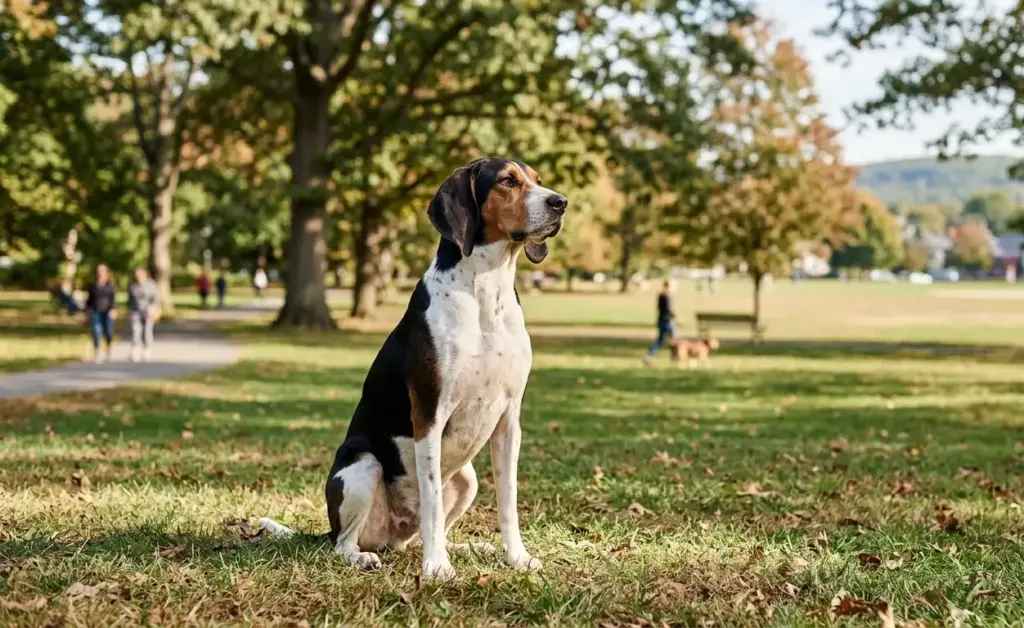


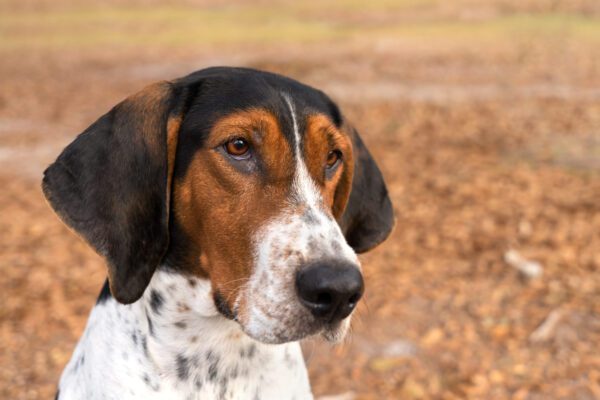
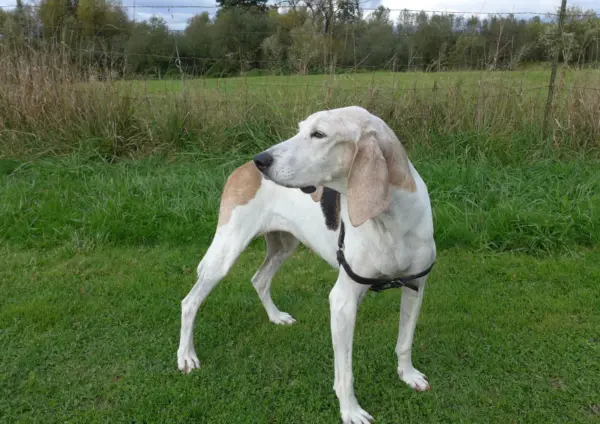
The Treeing Walker Coonhound is athletic, social, and endlessly curious. This breed loves to run, track scents, and then curl up with the family after a full day. Many people choose this hound for its bright mind, gentle nature with people, and musical voice that announces excitement.
Responsible adoption starts with thorough research. Understanding energy needs, vocal tendencies, and scent-driven habits sets you and your dog up for success. Adoption is preferable to buying because adoption supports animal welfare in your community, opens space for another dog in need, and often provides a dog that already received essential veterinary care. Foster notes and behavior observations also help you choose a personality that matches your lifestyle.
Montana offers wide-open spaces, trails, and a culture that rewards active living, which suits the Treeing Walker Coonhound well. Cold winters require smart management because this breed has a short coat and needs a warm jacket, limited time outdoors in extreme cold, and paw care on ice. Hot summer afternoons call for shaded walks and steady hydration. Wildlife is abundant across Montana, so consistent leashing and secure fencing are important to keep a scent hound safe.
You can avoid searching for rescues and shelters separately by using Dog Academy to browse adoption listings in one place. Dog Academy also offers clear guides and adoption checklists that help you prepare your home, ask the right questions, and compare dogs with confidence.
Adoptable Treeing Walker Coonhounds in Montana can be found through local animal shelters, regional rescues, and breed-specific rescue groups. Foster-based networks often list dogs online with detailed biographies and videos. Checking listings daily and setting alerts helps you act quickly when a good match appears.
The process usually begins with browsing listings and reading each dog’s history, energy level, and needs. A formal application follows and often requests personal references, proof of housing arrangements, and landlord approval when applicable. Many groups conduct a phone interview to discuss experience with hounds, daily routine, and training plans. A meet-and-greet comes next to confirm compatibility with all family members and resident pets. Home checks are common and may occur virtually or in person to confirm safe fencing, secure trash storage, and sensible containment plans. Approval timelines vary, though shelters often finalize within 3 to 10 days, while rescue groups may take 1 to 3 weeks based on scheduling, references, and home check availability.
Some groups list dogs across a large region. When distance is a barrier, rescues may arrange transport between locations. Transport is often arranged by rescues to move dogs between states using volunteer drivers or licensed carriers. Coordinators schedule health certificates, confirm pickup points, and review arrival instructions so adopters know exactly when and where to meet their new dog.
|
How Much Does It Cost to Adopt a Treeing Walker Coonhound in Montana?Most adopters in Montana can expect to pay $150 to $350 for an adult Treeing Walker Coonhound and $250 to $450 for a puppy. Fees trend higher when a dog received extensive medical care or professional training. Adoption fees usually include spaying or neutering, vaccinations, microchipping, and veterinary exams, which represent significant value compared to paying for those services after adoption. Costs vary with age, training history, medical investment, and local demand. Young dogs and dogs with advanced manners often cost more. Fees may increase when a dog received dental procedures, orthopedic treatment, or heartworm care. Rural groups sometimes charge a little less, while urban demand can push prices up slightly. Length of time in foster care and transport expenses can also influence the final fee. |
How Should I Train a Treeing Walker Coonhound?The Treeing Walker Coonhound is intelligent, eager, and strongly motivated by scent. Positive reinforcement works best because this breed responds quickly to food rewards, praise, and play. Begin with name recognition, hand target, and a reliable recall built on a long line in low-distraction areas. Add leash manners, settle on a mat, and crate training to create structure at home and on the trail. Channel the nose with planned sniff walks and scent games to prevent frustration. A daily routine that blends 60 to 90 minutes of physical exercise with mental work keeps a hound content. Practice impulse control around wildlife scents and teach a quiet cue to manage vocal moments. If you want step-by-step support, explore Dog Academy’s online training courses, which provide practical lessons for recall, loose-leash walking, enrichment, and calm behavior that suit scent hounds. |

|
The ideal adopter enjoys an active Montana lifestyle and values daily outdoor time. A secure yard, consistent training, and patience with hound vocals help this breed thrive. A Treeing Walker Coonhound does best as a true family member who lives indoors, rests warm in winter, and joins adventures when the weather allows.
Prepare before you apply by gathering supplies, planning a vet visit, and mapping daily exercise and enrichment. Take your time, meet more than one dog, and ask specific questions about energy level, recall history, and comfort with other animals. Careful research and steady training will help you adopt a Treeing Walker Coonhound in Montana with confidence and joy.
Introducing a new puppy to your current dog is often an exciting process, and many dogs will become fast friends and eas...
Read More
Rescue dogs can make great companions and can transform your home into something better. These dogs make great pets and ...
Read More
You should never rush to pet a dog. Even dog owners make the mistake of approaching unfamiliar dogs and petting them rig...
Read More
Puppy mill dogs are survivors who have endured extreme hardships in their lives. They have grown up in horrendous, unsan...
Read More
With their wagging tails and comforting presence, adopting a dog can add a unique touch to your life. It’s a heart...
Read More
Older dogs may have a few gray hairs around the edges, but that doesn’t mean they can’t make wonderful companions! T...
Read More