


























































































































































































Introducing a new puppy to your current dog is often an exciting process, and many dogs will become fast friends and eas...
Read MoreAdopt Me

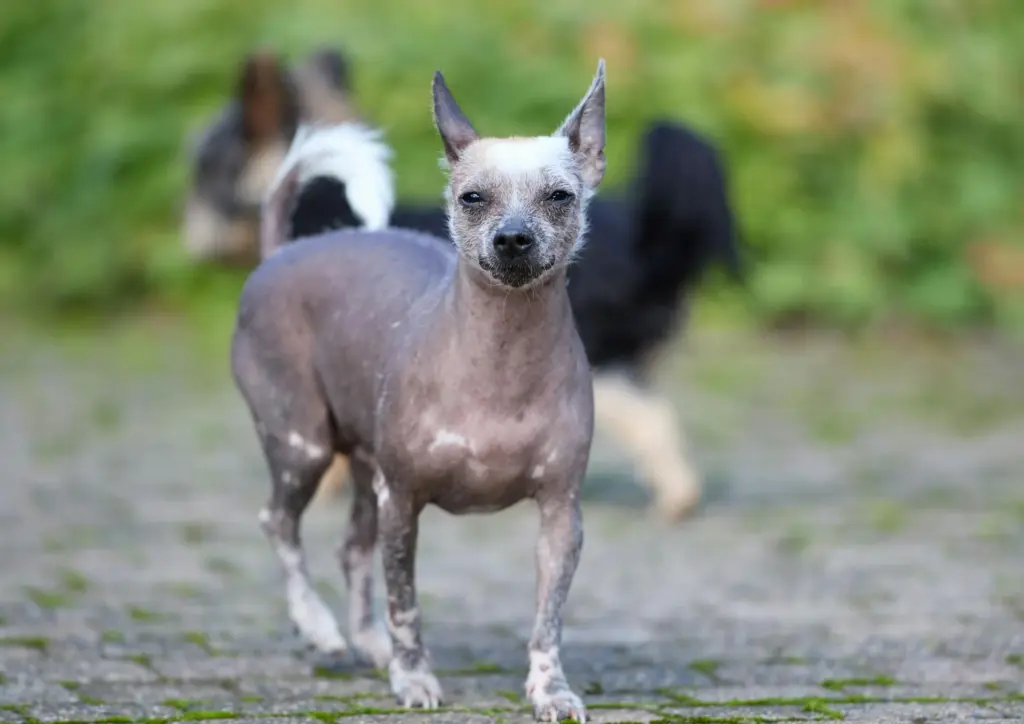
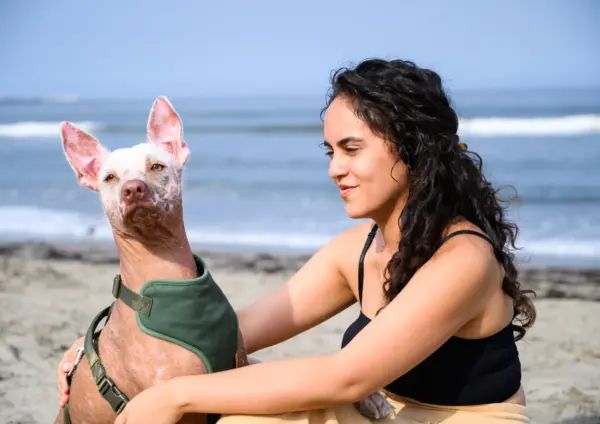
The Xoloitzcuintli, often called the Xolo, is an affectionate, alert, and loyal companion. This ancient breed bonds deeply with its family and prefers a calm home with consistent routines. The Xolo is intelligent and sensitive, which makes training rewarding when you use a gentle and thoughtful approach.
Responsible adoption starts with thorough research. Understanding a breed’s energy needs, grooming needs, and temperament ensures a good match for your lifestyle. Adoption is often preferable to buying because it gives a dog a second chance, supports lifesaving work at shelters and rescues, and usually includes essential veterinary care that sets your new companion up for success.
Montana’s climate and geography create specific needs for a Xoloitzcuintli. Winters are very cold and snowy, which means a hairless Xolo needs warm sweaters or coats, booties for ice, and limited exposure during extreme cold. Summers bring strong sun at higher elevations, which means a hairless Xolo needs dog-safe sunscreen and shade to prevent sunburn. Rural areas and open spaces suit the breed’s moderate energy, but a secure fence and reliable recall are important due to wildlife and wide terrain. Daily walks, mental enrichment, and cozy indoor time help a Xolo thrive in Big Sky Country.
You can skip searching shelters and rescues one by one by using Dog Academy to browse current adoption listings in a single place. Dog Academy also offers educational guides and adoption checklists that help you prepare, compare dogs, and move confidently through each step. You can still explore local animal shelters, regional rescues, and breed-specific rescue groups, yet a centralized listing saves time and keeps your search organized.
Start by browsing listings and reading full profiles. Look for details on age, size, temperament, medical history, and lifestyle fit. Reach out with questions about energy level, social preferences, and any ongoing care needs. Ask whether the dog is hairless or coated because coat type changes daily care in Montana’s climate. Confirm whether the dog has experience with children or other pets and whether the dog has lived in a rural or urban setting.
Most organizations use an application that collects information about your home, schedule, training plans, and veterinary history. Many ask for references and proof of landlord approval if you rent. After an initial review, you may be invited to a meet-and-greet at the facility, a foster home, or a neutral location. Some groups offer video meet-and-greets to discuss behavior and to observe how the dog interacts with you. If the dog is out of state, rescues sometimes arrange transport to move dogs between locations, and they explain routes, handoff points, and any health certificates required for travel.
Many placements include a home check to ensure safety. A home check confirms secure fencing, safe storage for household chemicals, and a quiet space for decompression. Approval timelines vary by organization and dog. Some placements happen within a few days when the fit is clear. Others take 1 to 3 weeks when foster schedules, medical treatments, or transport arrangements add steps.
|
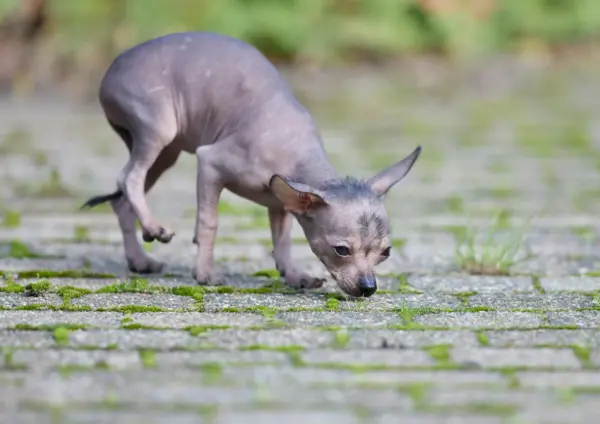
How Much Does It Cost to Adopt a Xoloitzcuintli in Montana?Most adopters in Montana should expect to pay around $300 to $600 to adopt a Xoloitzcuintli. The breed is rare, which can place fees toward the upper end of the range. Puppies, dogs with recent veterinary work, and dogs that arrive through long-distance transport may also land near the top of that range. Some groups charge a modest transport surcharge when arranging safe travel for a dog to reach Montana. Adoption fees usually include spaying or neutering, vaccinations, microchipping, and veterinary exams. Costs vary with age, training, medical care, and demand. Senior dogs or dogs needing ongoing treatment may have lower fees but higher expected care costs after adoption. A well-trained adult with recent dental care or skin care plans may carry a higher fee that reflects completed services and preparation. |
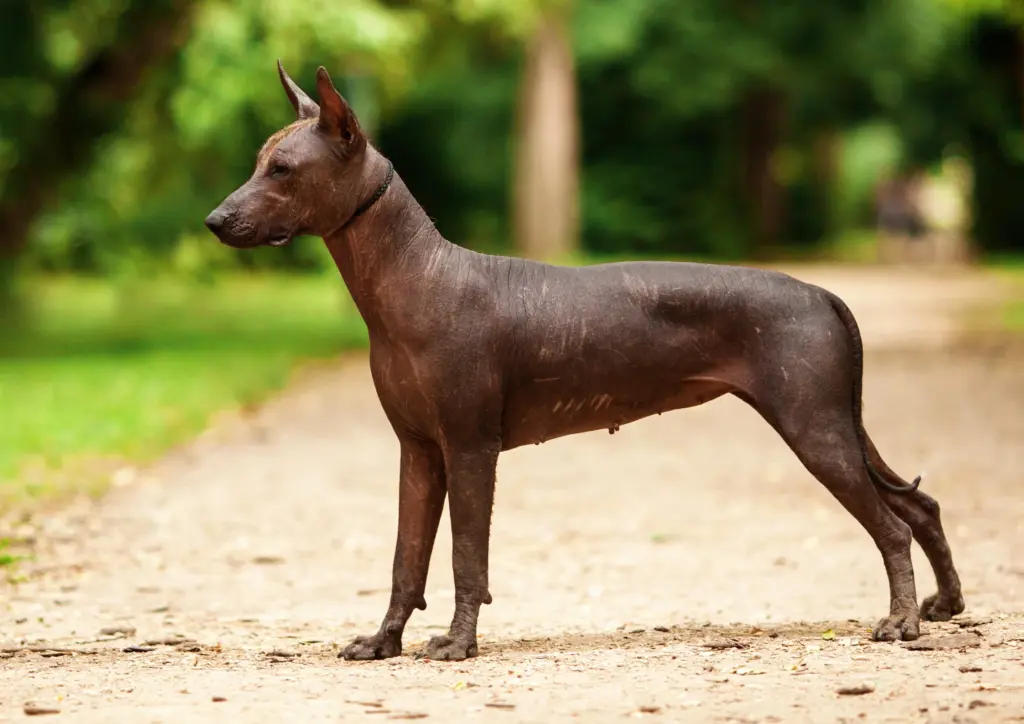
How Should I Train a Xoloitzcuintli?The Xoloitzcuintli is bright, sensitive, and eager to connect with a trusted person. Positive reinforcement works best because harsh methods can damage confidence and cause stress. Short, upbeat sessions help the Xolo learn quickly and enjoy the process. Focus early on socialization, leash skills, recall, and calm greetings with visitors. Many Xolos feel reserved with strangers, which is natural for the breed. Reward curiosity and relaxed body language, and give the dog space when unsure. Build cooperative care so your dog accepts sunscreen, jackets, booties, nail trims, and skin checks. Teach comfortable alone time to prevent anxiety, and use enrichment like scent games and food puzzles to meet mental needs during long Montana winters. For structured guidance you can follow at home, explore Dog Academy’s online training courses. Step-by-step lessons cover foundation skills, impulse control, and polite leash walking, which are essential for safe outings in changing weather and varied terrain. |
|
The ideal adopter enjoys daily walks, values routine, and wants a close companion who stays near the family. A Xoloitzcuintli does best with gentle handling, patient training, and consistent skin care. A warm indoor space, weather gear, and regular mental enrichment help this thoughtful breed feel secure and content.
Preparation leads to the best match. Take time to learn about the breed, gather supplies, and set realistic expectations for the first few weeks at home. Use Dog Academy’s adoption listings and guides to compare options, ask informed questions, and move at a pace that feels right. With patience and care, you can adopt a Xoloitzcuintli in Montana and build a lasting bond that suits your life and your landscape.

Introducing a new puppy to your current dog is often an exciting process, and many dogs will become fast friends and eas...
Read More
Rescue dogs can make great companions and can transform your home into something better. These dogs make great pets and ...
Read More
You should never rush to pet a dog. Even dog owners make the mistake of approaching unfamiliar dogs and petting them rig...
Read More
Puppy mill dogs are survivors who have endured extreme hardships in their lives. They have grown up in horrendous, unsan...
Read More
With their wagging tails and comforting presence, adopting a dog can add a unique touch to your life. It’s a heart...
Read More
Older dogs may have a few gray hairs around the edges, but that doesn’t mean they can’t make wonderful companions! T...
Read More