









































































Introducing a new puppy to your current dog is often an exciting process, and many dogs will become fast friends and eas...
Read MoreAdopt Me

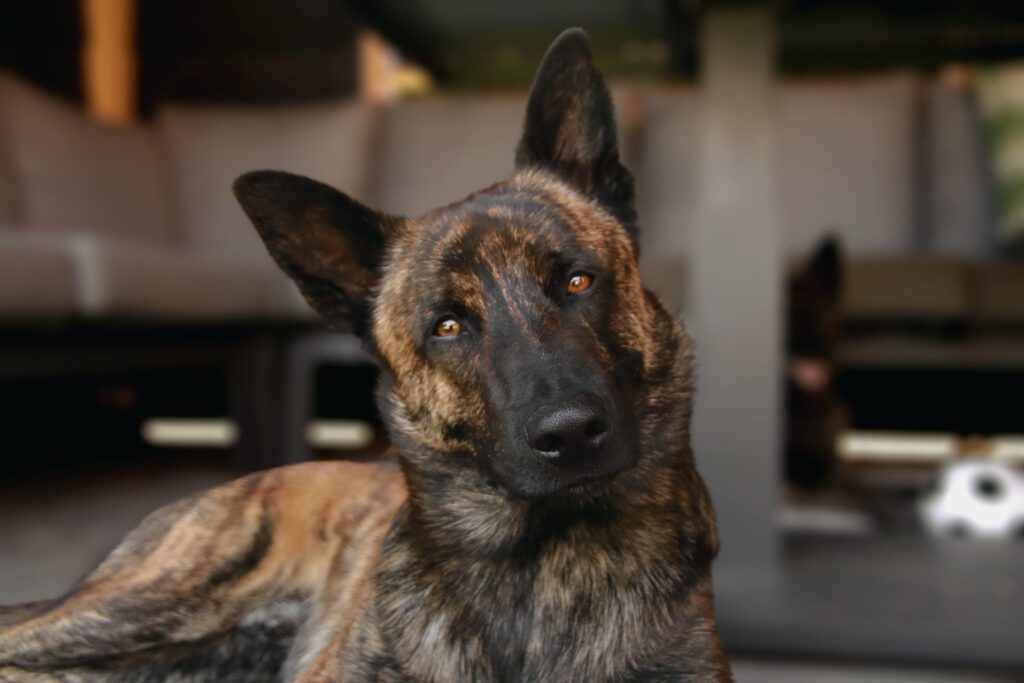
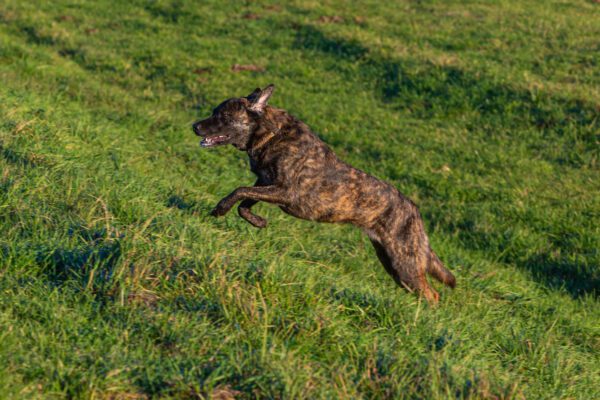
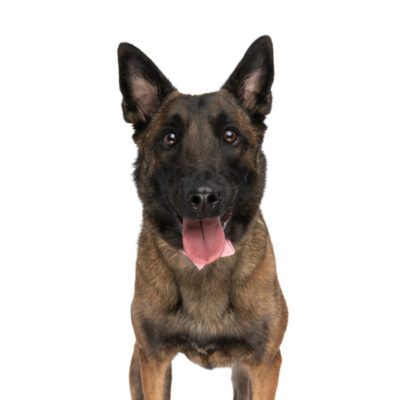
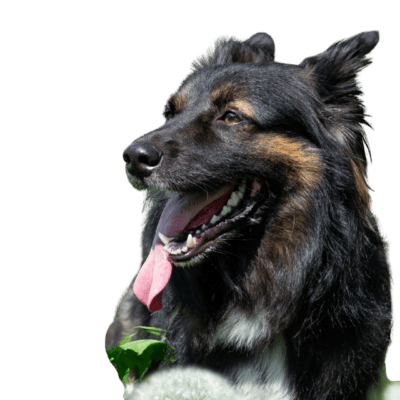
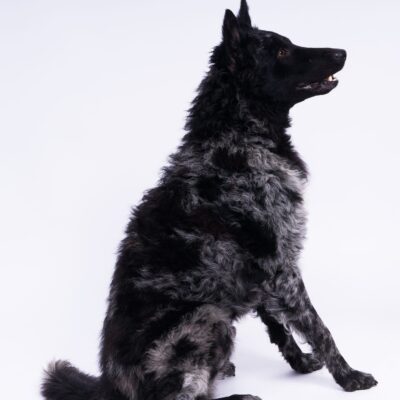
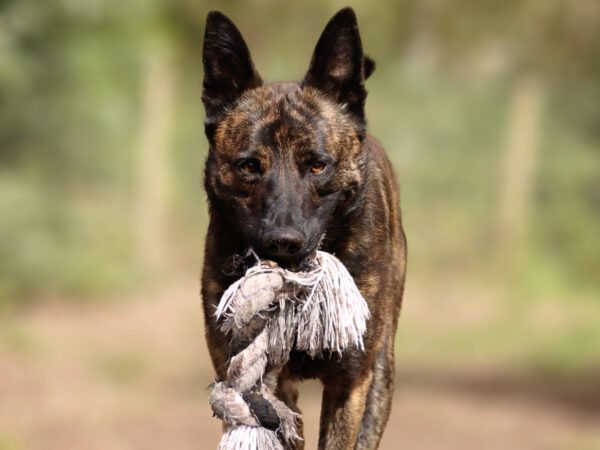
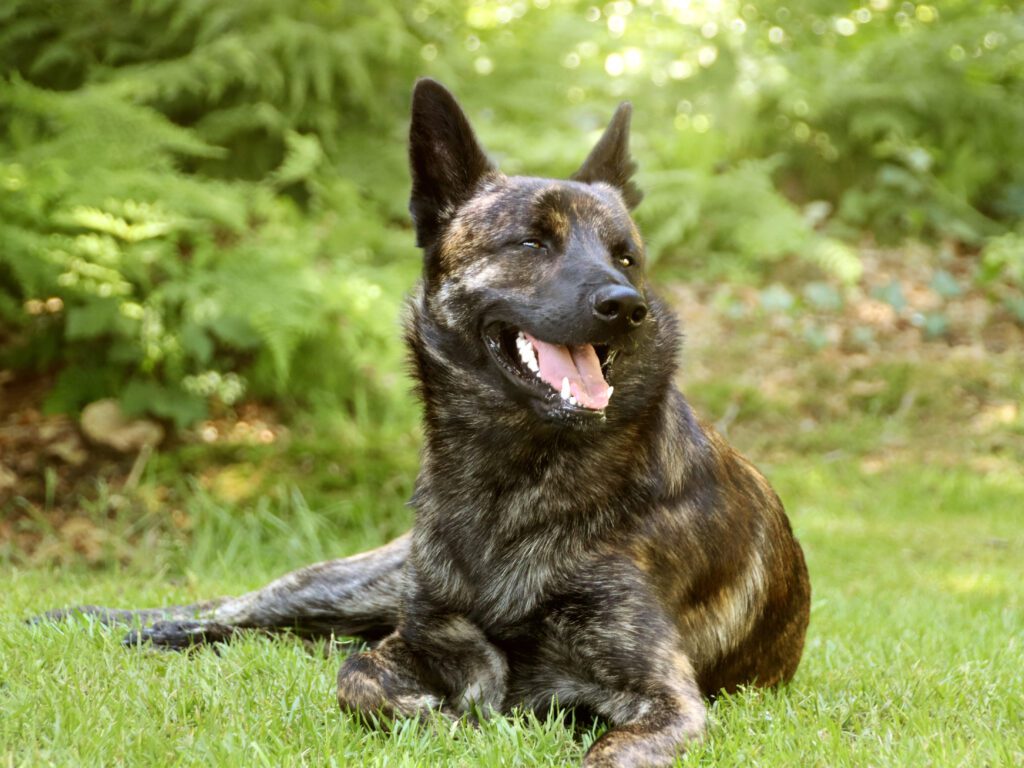
The Dutch Shepherd is an agile, intelligent, and devoted working dog that bonds closely with an active family. This breed enjoys learning new tasks, thrives on daily structure, and shines in sports like agility and tracking. A Dutch Shepherd brings steady loyalty and sharp problem-solving skills to any home that values training, routine, and outdoor time.
Thoughtful research matters before any adoption. Understanding exercise needs, grooming, health, and temperament helps you choose a dog that truly fits your life. Adoption is preferable to buying because adoption gives a dog a second chance and supports humane care. Adoption teams also help match energy levels and lifestyles so you can make a lasting choice with confidence.
Montana offers wide open spaces, quiet towns, and a strong outdoor culture that can suit a Dutch Shepherd well. The breed’s weather-resistant coat helps with cold, yet subzero temperatures still call for winter gear, limited exposure, and paw protection. Rural properties benefit from secure fencing because a Dutch Shepherd has a strong herding and chase instinct. Trails, ranch roads, and large yards provide great outlets when paired with training and reliable recall. A Dutch Shepherd in Montana thrives with consistent exercise, smart mental work, and careful wildlife awareness.
You can avoid searching shelters and rescues one by one by using Dog Academy’s adoption listings. Browse available dogs, filter by location and breed, and streamline your search on Dog Academy. You can also find educational guides and adoption checklists that help you prepare your home, choose supplies, and plan the first weeks after adoption.
Adoptable Dutch Shepherds and Dutch Shepherd mixes in Montana appear through local animal shelters, regional rescues, and breed-specific rescue groups. Many dogs live in foster homes where you can learn about their routines and manners. Some rescues arrange transport to move dogs safely between locations or between states. Transport is a planned trip that uses volunteers or professionals to bring an approved dog to a closer pickup point.
The process usually begins by browsing listings and narrowing options by age, size, temperament, and activity level. Next comes an application that may request references, proof of housing stability, and landlord approval when you rent. Most groups schedule meet-and-greets at the shelter or at a foster home so you can observe behavior in a relaxed setting. A home check, which can be virtual or in person, confirms safe fencing, secure storage of chemicals, and a realistic setup for exercise and rest. Approval timelines vary from a few days to a few weeks based on background checks, scheduling, and the needs of the specific dog.
Understanding breed needs makes the process smoother. A Dutch Shepherd needs daily exercise, problem-solving games, and steady training to stay calm and focused. Share your schedule and activity plans with the adoption team so they can guide you to a dog that matches your goals. Clear communication helps everyone set expectations about training, decompression time, and ongoing support.
|
How Much Does It Cost to Adopt a Dutch Shepherd in Montana?In Montana, expect most Dutch Shepherd or Dutch Shepherd mix adoption fees to range from $200 to $450 for adult dogs. Puppies or extensively trained adults often range from $300 to $600. Senior dogs may be $100 to $250. Fees sit higher when organizations invest in professional training or advanced medical care, and they may sit lower when a dog is older or has been waiting longer. Typical inclusions are spaying or neutering, vaccinations, microchipping, and veterinary exams. Age, training level, recent medical treatment, and local demand for working breeds all influence final pricing. Some groups also factor in transport costs when they coordinate safe relocation to Montana. |
How Should I Train a Dutch Shepherd?The Dutch Shepherd is highly intelligent, eager to work, and sensitive to handler feedback. This breed learns quickly with clear structure, short sessions, and immediate rewards. Positive reinforcement builds focus and drive while protecting confidence. Daily enrichment that includes obedience, scent games, and problem-solving keeps a Dutch Shepherd calm at home and sharp in the field. Common challenges include herding chase, mouthiness, jumping, and pacing when exercise is not sufficient. Harsh corrections can shut down training because this breed reads tone and body language closely. Use reward-based methods, consistent rules, and calm handling. Build reliable recall and loose-leash skills before hiking near wildlife or livestock. Socialize with stable dogs and friendly people to develop neutrality in busy Montana towns and quiet trailheads alike. For step-by-step help, explore Dog Academy’s online training courses that cover puppy foundations, impulse control, recall, and scent work tailored for energetic working dogs. |
|
The ideal owner enjoys daily activity, consistent training, and time outdoors in every season. A Dutch Shepherd thrives with 60 to 90 minutes of exercise, purposeful mental work, and a secure yard. Prepared owners plan winter care, safe transport in icy conditions, and a training routine that turns energy into teamwork.
Set yourself up for success by researching the breed, gathering supplies, and creating a realistic schedule for the first 30 days. Take your time, ask detailed questions, and choose a dog that matches your lifestyle. When you are ready to adopt a Dutch Shepherd in Montana, use Dog Academy’s resources to find a great fit and to support your training from day one.

Introducing a new puppy to your current dog is often an exciting process, and many dogs will become fast friends and eas...
Read More
Rescue dogs can make great companions and can transform your home into something better. These dogs make great pets and ...
Read More
You should never rush to pet a dog. Even dog owners make the mistake of approaching unfamiliar dogs and petting them rig...
Read More
Puppy mill dogs are survivors who have endured extreme hardships in their lives. They have grown up in horrendous, unsan...
Read More
With their wagging tails and comforting presence, adopting a dog can add a unique touch to your life. It’s a heart...
Read More
Older dogs may have a few gray hairs around the edges, but that doesn’t mean they can’t make wonderful companions! T...
Read More