



























































































































































































Introducing a new puppy to your current dog is often an exciting process, and many dogs will become fast friends and eas...
Read MoreAdopt Me

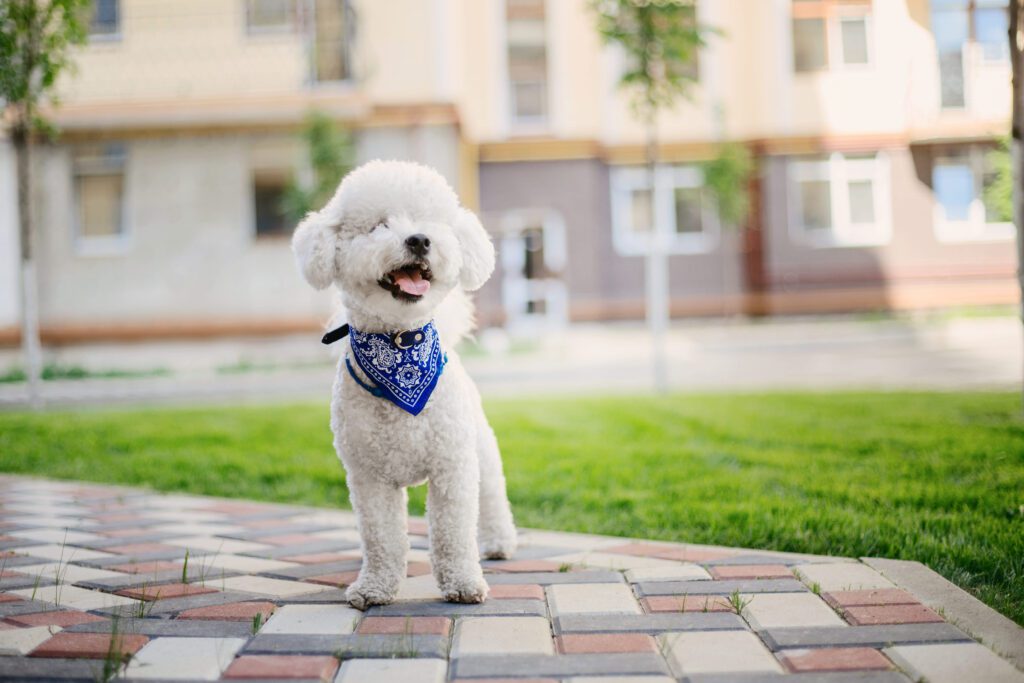
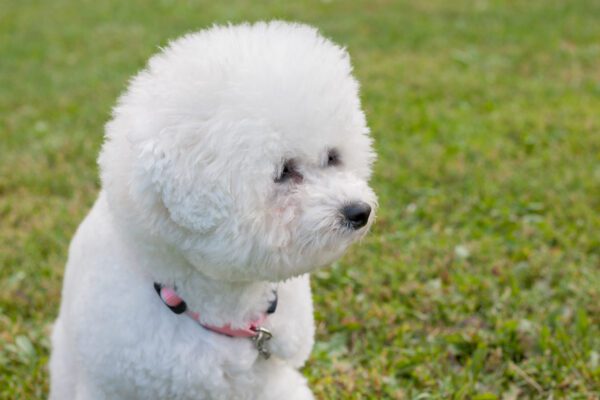
The Bichon Frise is a cheerful, social, and cuddly companion. This small dog thrives on attention, enjoys learning tricks, and brings a bright spirit to family life. The fluffy white coat is low shedding, which helps many allergy-sensitive households. Careful grooming, daily play, and regular social time keep this breed at its best. Thoughtful research before adoption helps you match energy levels, grooming needs, and care routines with your lifestyle.
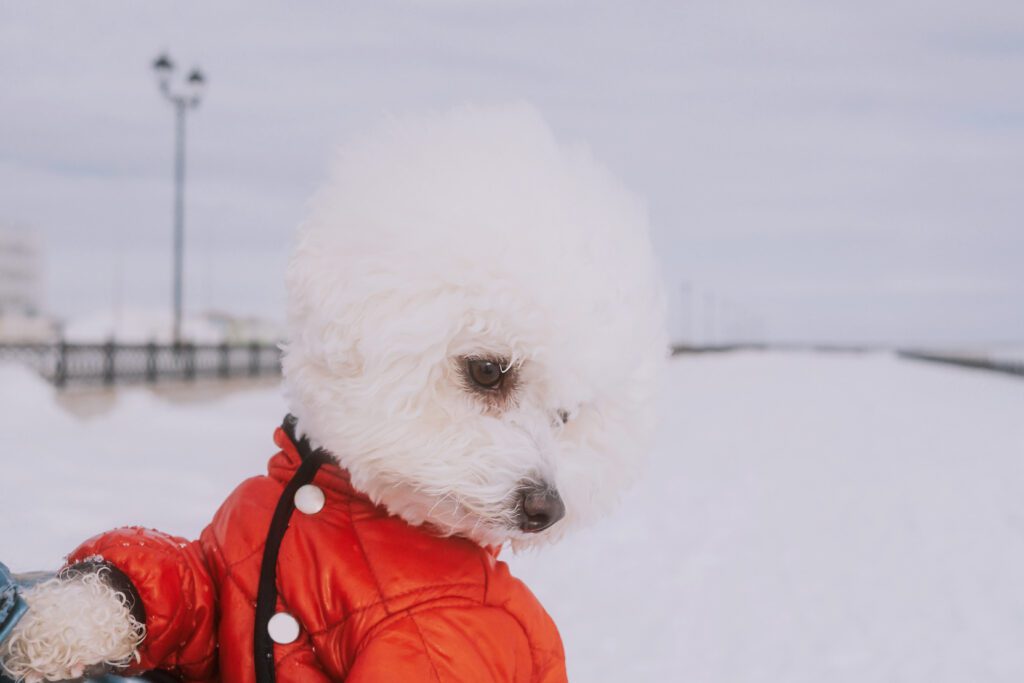
Adoption gives a dog a second chance while helping you avoid the unpredictability of buying. Shelters and rescues often share detailed histories, recent veterinary records, and behavior notes. Idaho’s climate and geography shape daily life with a Bichon Frise. Winters can be cold with snow and ice, which means short, frequent walks, protective layers, and paw care. Summers can be warm and dry, which means shade, water, and midday rest. Many Idaho residents enjoy outdoor activities, yet this breed prefers short adventures and a cozy seat on the couch. A Bichon Frise fits well in apartments and single-family homes when exercise, grooming, and companionship stay consistent.
You can save time and avoid searching separate rescues and shelters by using Dog Academy. You can browse adoptable Bichon Frises across Idaho in one place, filter by age and location, and follow guided checklists that outline documents, supplies, and home setup. Local animal shelters, regional rescues, and breed-specific rescue groups also post Bichon Frises as they become available. Foster-based programs often share updates about temperament, house manners, and compatibility with children or other pets.
The process usually starts with browsing listings, then submitting a clear and complete application. Most organizations ask for identification, proof of residence, landlord approval when you rent, and a veterinarian reference when you have current or prior pets. An adoption coordinator often schedules a phone interview to confirm your experience and daily routine. Next comes a meet-and-greet to assess fit. Many groups require a home check, which can be virtual or in person, to confirm safe fencing, secure doors, and a quiet space for decompression. Approval timelines vary by group and the dog’s needs. Straightforward applications often complete in 3 to 10 days, while complex cases or popular dogs can take longer. Some rescues arrange transport to move dogs between Idaho cities or from neighboring states. Transport is often handled by volunteer drivers or professional carriers who follow health and safety rules, and adopters sometimes cover a modest transport fee.
Before finalizing, review the dog’s medical and behavior history in writing. Ask about recent tests, current diet, favorite rewards, and any training cues the dog already knows. Confirm post-adoption support, return policies, and trial periods when offered. A thoughtful match ensures a smoother transition for both you and the dog.
|
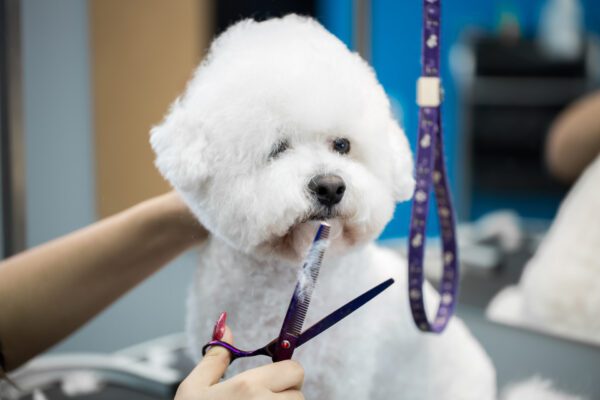
How Much Does It Cost to Adopt a Bichon Frise in Idaho?Most adopters in Idaho can expect to pay around $250 to $500 to adopt a Bichon Frise. Fees tend to sit higher for puppies and lower for seniors. Costs vary with age, training, recent medical care, and local demand for small, low-shedding dogs. The fee usually includes spaying or neutering, vaccinations, microchipping, and veterinary exams. Many groups also provide deworming, a heartworm test, and a starter bag of food. Dental care can raise fees for adult Bichons, since small breeds often need professional cleanings before adoption. Budget for ongoing expenses after the adoption. A Bichon Frise needs professional grooming every 4 to 8 weeks, plus daily brushing at home. Plan for quality food, toys, leashes, a crate, and training sessions. Licensing and microchip registration updates are small but important costs that help keep your dog safe. |
How Should I Train a Bichon Frise?The Bichon Frise is intelligent, people-focused, and eager to learn when training stays upbeat. Short sessions with high-value rewards help this sensitive breed stay engaged. Mark desired behaviors with a cheerful voice and a clear cue, then reward quickly. Consistency builds reliability in new environments. Many Bichons excel at basic manners, trick training, and cooperative care when sessions are fun and predictable. Common challenges include house training, alert barking, and separation stress. Create a steady potty routine, reward outdoor successes, and supervise closely indoors. Teach a quiet cue, provide enrichment toys, and offer calm rest after exercise to reduce barking. Practice short departures and gradual returns to build confidence alone. Early socialization with friendly dogs and people helps your Bichon handle Idaho’s busy sidewalks, snowy gear, and new sounds. You can build skills at home with Dog Academy’s online training courses, which teach foundation cues, leash manners, crate comfort, and confidence in everyday life. |
|
The ideal Idaho adopter enjoys daily companionship, gentle play, and regular grooming. A Bichon Frise does best with people who are home often, who value positive reinforcement, and who keep a tidy routine. Apartments and houses both work well when exercise, mental enrichment, and social time are part of every day.
Prepare your home, gather supplies, and learn the breed’s needs before you apply. Take your time, ask clear questions, and choose the dog that matches your lifestyle. With patience and preparation, you can adopt a Bichon Frise in Idaho and welcome a joyful companion for years to come.

Introducing a new puppy to your current dog is often an exciting process, and many dogs will become fast friends and eas...
Read More
Rescue dogs can make great companions and can transform your home into something better. These dogs make great pets and ...
Read More
You should never rush to pet a dog. Even dog owners make the mistake of approaching unfamiliar dogs and petting them rig...
Read More
Puppy mill dogs are survivors who have endured extreme hardships in their lives. They have grown up in horrendous, unsan...
Read More
With their wagging tails and comforting presence, adopting a dog can add a unique touch to your life. It’s a heart...
Read More
Older dogs may have a few gray hairs around the edges, but that doesn’t mean they can’t make wonderful companions! T...
Read More