

























































































































































































Introducing a new puppy to your current dog is often an exciting process, and many dogs will become fast friends and eas...
Read More
How to Introduce a New Puppy to Your Dog
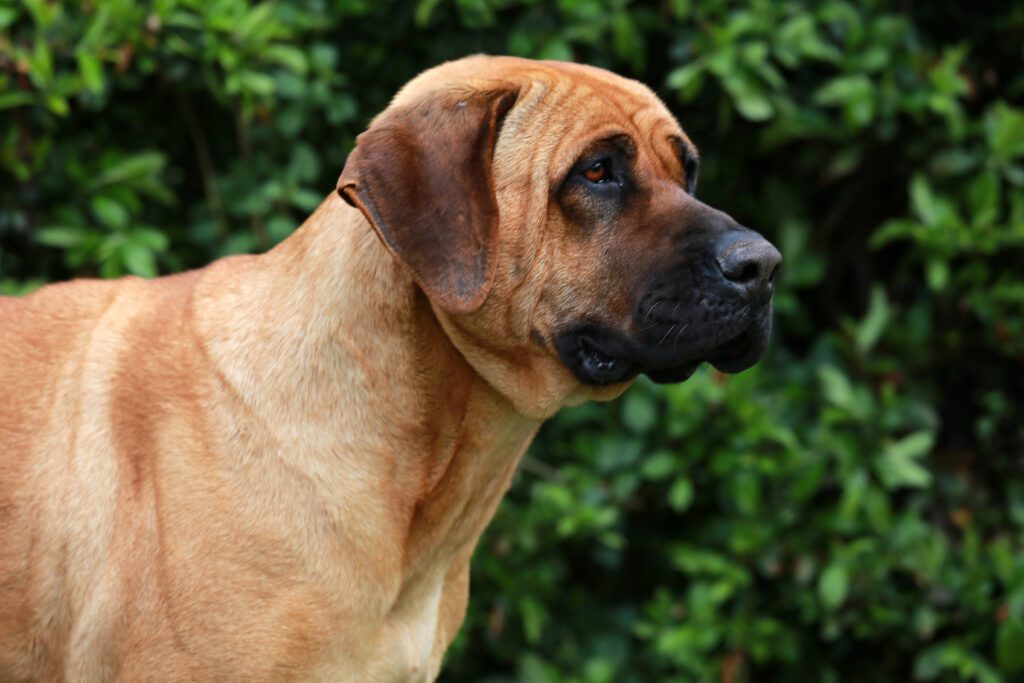
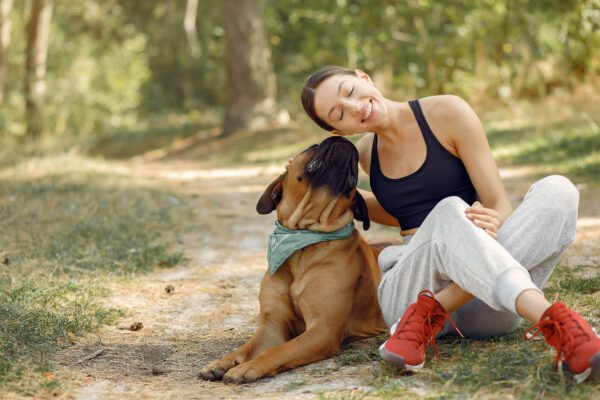
The Tosa Inu is a powerful, steady, and deeply loyal companion. The breed is known for quiet confidence, strong bonding with family, and a calm presence in the home. A Tosa Inu thrives with clear structure, fair leadership, and daily mental and physical exercise.
Thoughtful research always comes first. Adopting instead of buying opens your home to a dog in need and often includes essential veterinary care. Idaho can suit a Tosa Inu very well because the state offers space, trails, and a quieter pace in many communities. Idaho also presents challenges. Winters are cold, summers can be hot and dry, and long distances between towns can limit immediate access to training or veterinary specialists. A Tosa Inu manages Idaho’s climate with the right care, which includes a winter coat during cold snaps and careful heat management in summer.
Geography and lifestyle matter. Many Idaho properties have large yards, which support controlled exercise for a large guardian breed. Secure fencing is important because a Tosa Inu is strong and can be dog selective. Busy off-leash parks are often a poor fit. Rural life may include livestock, wildlife, and long drives, so reliable recall training, sturdy leashes, and safe travel routines are essential.
You can avoid searching rescues and shelters one by one by using Dog Academy adoption listings. You can browse breed-specific options, set location filters, and access educational guides and adoption checklists in one place. You can also check local animal shelters, regional rescues, and breed-specific rescue groups that serve the Mountain West. A Tosa Inu is rare, so widening your search radius improves your chances.
Start by browsing listings and reading full profiles. Each profile usually outlines age, size, temperament notes, medical status, and the best home fit. Match the dog’s needs to your lifestyle, your training experience, and your housing rules. Confirm local ordinances and any housing or insurance restrictions that apply to large guardian breeds. Ask questions early about behavior history and any ongoing medical needs.
Most groups require an application that collects identification, veterinary references, landlord or HOA approval, and proof of residence. Many groups ask for photos of your fencing and living spaces to confirm safety. Some groups schedule a phone interview to discuss daily routines, training plans, and how you will manage dog-to-dog introductions. Clear and honest answers help the team assess fit and set everyone up for success.
Next comes a meet-and-greet. A good meeting includes calm introductions, safe handling, and time for the dog to relax. Some groups arrange a home check that can be virtual or in person. Approval timelines vary, but many adoptions move from application to decision in 1 to 3 weeks. A foster-to-adopt period may be offered to confirm compatibility under real-world conditions. If the dog is located out of area, rescues sometimes arrange transport to move dogs between states, which can involve volunteer drivers, professional carriers, or flight escorts who follow strict safety protocols and health certificate requirements.
|
How Much Does It Cost to Adopt a Tosa Inu in Idaho?Expect most Tosa Inu adoption fees in Idaho to fall between $250 and $500. The breed is uncommon in the region, which means most adoptable dogs come through regional or breed-focused groups with higher care costs. Young adults and dogs with recent veterinary updates tend to fall near the higher end. Senior dogs or dogs with sponsorships may fall near the lower end. Fees reflect real expenses that often include spaying or neutering, vaccinations, microchipping, and veterinary exams. Costs can also shift with age, training level, medical care, and local demand. Fees may rise if the dog received dental work, orthopedic care, or behavior support. Transport support can add to the final amount if the dog traveled a long distance to Idaho. |
How Should I Train a Tosa Inu?The Tosa Inu is intelligent, thoughtful, and observant. The breed responds best to patient, consistent, and reward-based methods. Positive reinforcement builds trust and maintains the calm demeanor that makes this breed so appealing. Clear cues, short sessions, and generous reinforcement for neutral behavior around other dogs produce steady progress. Focus early on leash manners, impulse control, reliable recall, and relaxed obedience in public spaces. Many Tosa Inus are naturally reserved and can be selective with other dogs, so structured socialization matters. Teach neutrality by rewarding attention to you rather than engagement with passing dogs. Introduce muzzle training as a proactive safety skill. Build a routine that includes crate time, quiet downtime, and mental enrichment like scent games. You can follow step-by-step lessons with Dog Academy’s online training courses, which cover foundation skills, leash work, confidence building, and behavior management for large guardian breeds. |

|
The ideal adopter is calm, consistent, and experienced with large breeds. A secure yard, time for daily training, and a commitment to thoughtful management around other dogs are important. Preparation includes breed research, a home setup that supports safety, and a clear plan for exercise, enrichment, and veterinary care.
Take your time, ask questions, and make choices that prioritize long-term fit. With patience, training, and reliable support, you can adopt a Tosa Inu in Idaho and enjoy a loyal companion for years to come.
Introducing a new puppy to your current dog is often an exciting process, and many dogs will become fast friends and eas...
Read More
Rescue dogs can make great companions and can transform your home into something better. These dogs make great pets and ...
Read More
You should never rush to pet a dog. Even dog owners make the mistake of approaching unfamiliar dogs and petting them rig...
Read More
Puppy mill dogs are survivors who have endured extreme hardships in their lives. They have grown up in horrendous, unsan...
Read More
With their wagging tails and comforting presence, adopting a dog can add a unique touch to your life. It’s a heart...
Read More
Older dogs may have a few gray hairs around the edges, but that doesn’t mean they can’t make wonderful companions! T...
Read More