




























































































































































































Introducing a new puppy to your current dog is often an exciting process, and many dogs will become fast friends and eas...
Read MoreAdopt Me

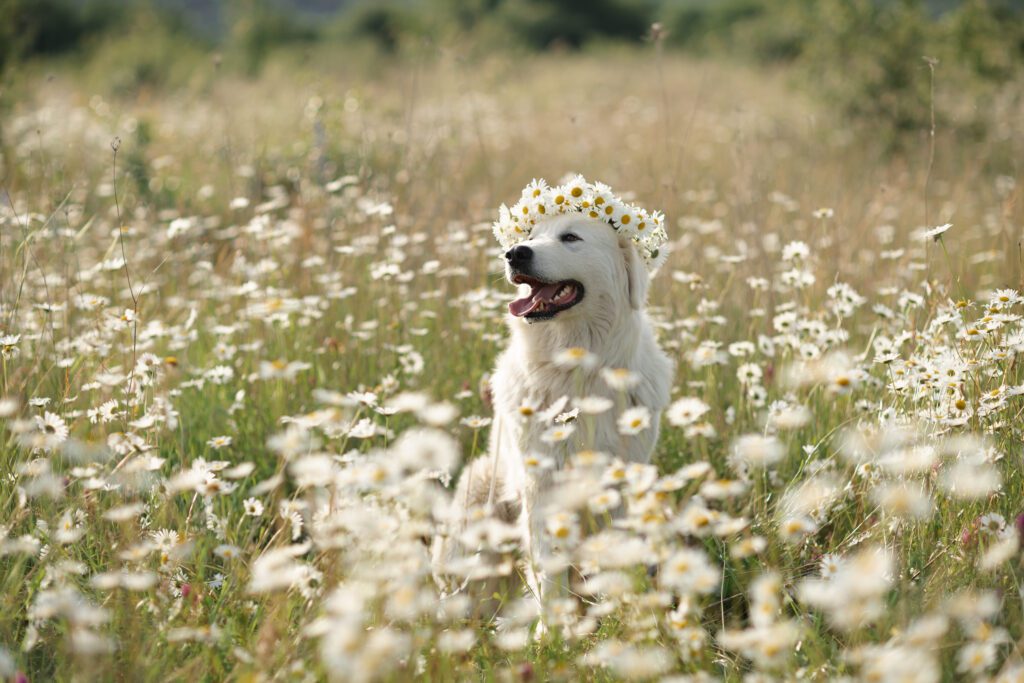
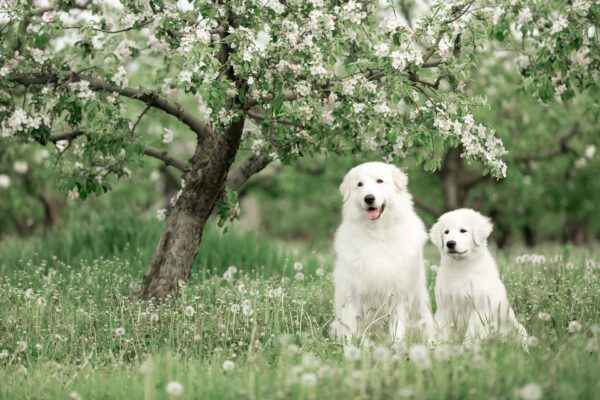
The Maremma Sheepdog is a calm, confident, and deeply loyal livestock guardian that bonds closely with its people. This large, white guardian breed is watchful, independent, and gentle with family when well socialized. Thoughtful research helps every adopter understand the breed’s working instincts, exercise needs, and quiet leadership style before bringing a dog home.
Adoption is a responsible way to welcome a Maremma Sheepdog. It gives a deserving dog a second chance and supports the organizations that provide care and rehabilitation. Idaho can be an excellent fit because the state offers cool winters, open spaces, and agricultural regions where a guardian breed can thrive. The high desert and mountain climate suits a thick double coat. Long hikes, ranch work, or fenced acreage meet this dog’s need for purpose and room to move. Urban apartments and unfenced yards pose challenges because Maremmas guard by observing, patrolling, and sometimes barking.
When you adopt, you invest time in training, fencing, and enrichment, which sets this thoughtful breed up for success. Careful preparation ensures that a Maremma Sheepdog can adapt to life in Idaho’s varied geography, from snowy valleys to dry plateaus, and live comfortably with your lifestyle.
You can avoid searching separate rescues and shelters by using Dog Academy to browse adoptable dogs from multiple sources in one place. Dog Academy also provides educational guides and adoption checklists that help you compare options, prepare your home, and plan your first weeks with your new dog.
Start by checking local animal shelters, regional rescues, and breed-specific rescue groups. Listings usually include age, size, temperament notes, and any known history. Read each profile closely and match it to your experience level and home setup. A Maremma Sheepdog requires secure fencing, daily structure, and a calm handler who can set consistent rules.
The process typically begins with browsing listings and submitting an application that details your experience, fencing, household members, and schedule. Many groups schedule a phone interview to discuss breed needs and your plan for exercise and containment. Meet-and-greets give you time to observe the dog’s body language, test basic handling, and ask questions about training and health. Home checks verify safe fencing, shelter from weather, and space for decompression. Approval timelines vary by group and by the number of applications. In Idaho, many adopters receive decisions within 1 to 3 weeks once references and home checks are complete.
Some rescues arrange transport to move dogs between locations when local adopters are a good fit. Transport is a coordinated trip that brings a dog from a foster or shelter to a pickup point that is closer to your home. Coordinators share schedules, health paperwork, and arrival instructions so you can prepare supplies and plan a calm transition.
|
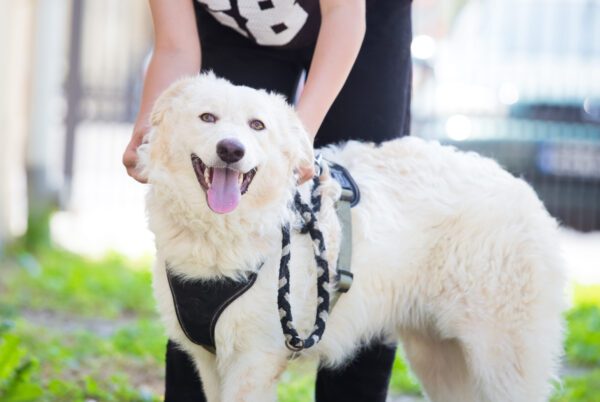
How Much Does It Cost to Adopt a Maremma Sheepdog in Idaho?In Idaho, most adopters pay about $250 to $450 for an adult Maremma Sheepdog through shelters or regional rescues. Puppies, when available, often cost $350 to $600 because demand is higher and early veterinary care is more extensive. Seniors and special-needs dogs may have reduced fees in the $100 to $250 range to encourage adoption. Fees reflect services already provided, including spaying or neutering, vaccinations, microchipping, and veterinary exams. Costs can also rise with professional training, treatment for injuries, and extended foster care. Age, demand for the breed, and documented medical history influence the final fee. Dogs that are already house trained or that have completed basic manners may be priced at the higher end due to added investment and readiness for placement. |
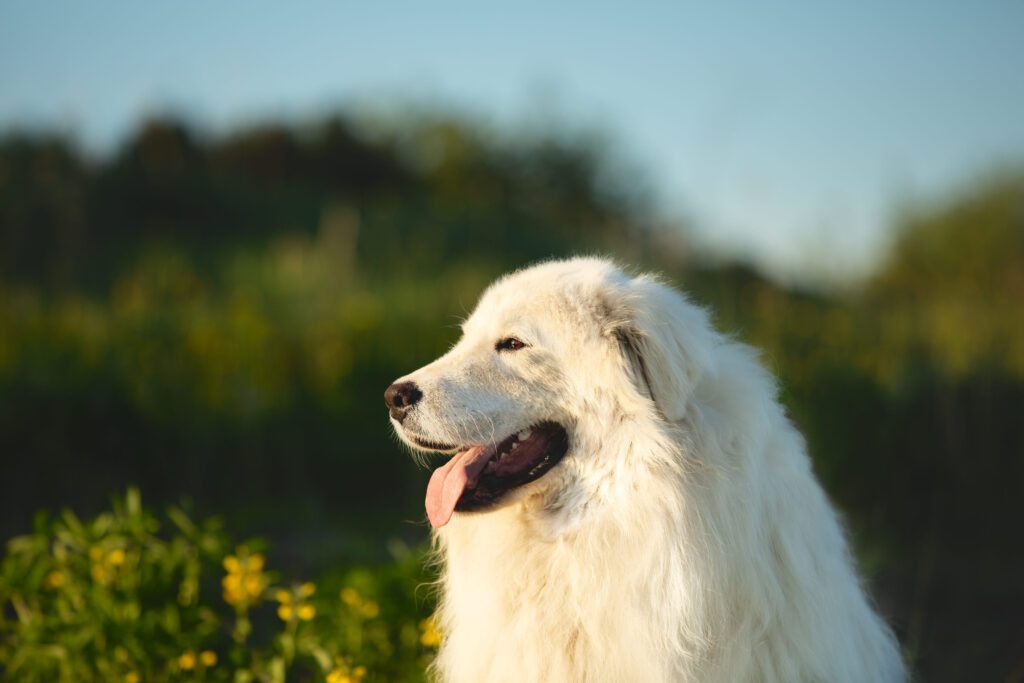
How Should I Train a Maremma Sheepdog?The Maremma Sheepdog is intelligent and thoughtful, yet it is also independent because it was bred to make decisions without constant direction. Training works best when you build trust, use clear routines, and reward calm choices. Positive reinforcement creates a cooperative partner that understands boundaries rather than a dog that simply complies out of pressure. Focus on foundation skills that support life in Idaho. Reliable recall, loose leash walking, and quiet settling help this natural guardian navigate trails, acreage, and neighborhood settings. Early socialization builds confidence with visitors, livestock, and other dogs. Teach controlled greetings, supervised livestock introductions, and a strong “stay” so your dog can observe without chasing. Manage barking by reinforcing check-ins with you and by giving structured work, such as boundary walks and scent games, that channels watchfulness into calm focus. If you want step-by-step guidance, explore Dog Academy’s online training courses. Courses cover impulse control, leash manners, recall, and cooperative care, which are all essential for a guardian breed. Lessons are easy to follow, and they include clear practice plans you can use at home. |
|
The ideal adopter is patient, consistent, and ready to provide secure fencing, daily structure, and meaningful work. A ranch, a large yard, or regular outdoor activity suits this breed’s steady energy. Time spent on training, supervised introductions, and decompression will help a new dog settle and thrive.
Take your time, ask direct questions, and prepare your space before adoption day. When you research carefully and move at a thoughtful pace, you can adopt a Maremma Sheepdog in Idaho that fits your home and your goals. A well-matched adoption gives a devoted guardian a lifetime of purpose and partnership.

Introducing a new puppy to your current dog is often an exciting process, and many dogs will become fast friends and eas...
Read More
Rescue dogs can make great companions and can transform your home into something better. These dogs make great pets and ...
Read More
You should never rush to pet a dog. Even dog owners make the mistake of approaching unfamiliar dogs and petting them rig...
Read More
Puppy mill dogs are survivors who have endured extreme hardships in their lives. They have grown up in horrendous, unsan...
Read More
With their wagging tails and comforting presence, adopting a dog can add a unique touch to your life. It’s a heart...
Read More
Older dogs may have a few gray hairs around the edges, but that doesn’t mean they can’t make wonderful companions! T...
Read More