



























































































































































Introducing a new puppy to your current dog is often an exciting process, and many dogs will become fast friends and eas...
Read MoreAdopt Me



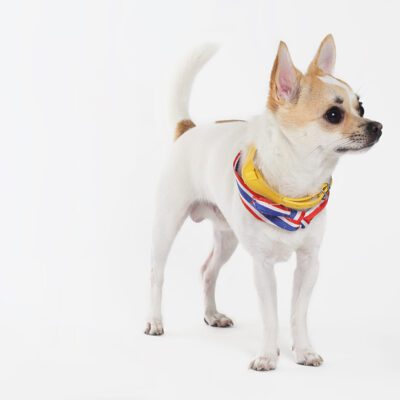
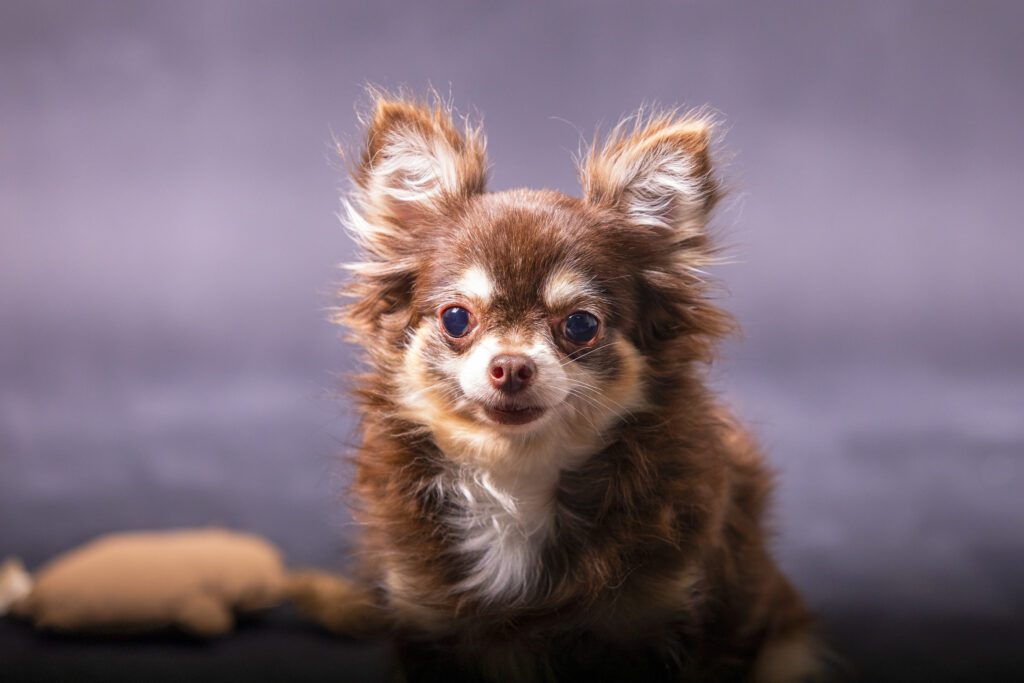
Idaho’s wide-open landscapes, crisp mountain air, and friendly small-town culture create a surprisingly good environment for long haired Chihuahuas, as long as adopters understand how this tiny breed fits into the Gem State’s dramatic seasonal shifts. Long haired Chihuahuas are affectionate, expressive, and deeply people-oriented, making them ideal companions for Idahoans who enjoy quiet evenings indoors, strolling small downtowns like Sandpoint or McCall, or exploring rural communities where neighbors still wave as they pass.
Before adopting, it’s essential to consider how age and temperament suit your home. Puppies require constant supervision and warmth, particularly in Idaho, where winters can be harsh. They fit best with active households with flexible schedules and experience caring for fragile dogs. Adults and seniors adapt more easily and are better choices for first-time dog owners, families with older children, or households that prefer a calmer companion.
Adopting a long haired Chihuahua in Idaho comes with its own regional considerations, from the state’s rural landscape and cold mountain winters to a more limited network of breed-specific rescues. Most available dogs come from local humane societies, small-breed rescues, or foster-based organizations operating in the Treasure Valley, Twin Falls, and northern Idaho communities.
Because many of Idaho’s rescue groups are spread across a large geographic area, transport between cities is common and often organized by volunteers. Platforms like Dog Academy consolidate statewide listings, which is especially helpful in Idaho where availability can shift quickly and many adopters live far from the nearest rescue hub.
Before adoption, rescues typically require an application, either in-person or virtual meet-and-greets, and in many cases a digital home check. Rescues often request proof of pet-friendly rentals, fully secured yards or fenced enclosures, and confirmation that outdoor spaces are escape-proof. Long haired Chihuahuas are notorious escape artists, and Idaho’s open terrain makes secure fencing especially critical. Rescues also pay close attention to household layout, children’s ages, and whether the home has reliable heating, as Idaho winters can be harsh on small, fine-boned dogs with sensitivity to cold.
Potential adopters should also consider veterinary availability before committing. Larger cities like Boise and Idaho Falls offer more clinics and emergency care options, while rural areas may require significant travel for specialist visits. Long haired Chihuahuas often need dental work, patella checks, and monitoring for tracheal issues — services that may not be readily available in all parts of the state.
Adoption fees in Idaho typically range from $200 to $500, depending on age, health, and whether the dog came from a shelter or a specialized small-breed rescue. Puppies tend to sit on the higher end due to demand and veterinary care, while seniors and special-needs dogs may cost less.
Long haired Chihuahuas need warm coats or sweaters, especially in mountain regions like Ketchum or Coeur d’Alene, where winter temperatures regularly drop below freezing. Dental care, often the most significant ongoing expense for this breed, can vary widely, and some rural towns require travel to larger cities like Boise, Meridian, or Pocatello for procedures.
While adoption fees typically include spaying or neutering, microchipping, vaccinations, and initial exams, new owners should consider tick and flea prevention from spring through fall. Idaho’s forests and grasses harbor ticks, and even short outdoor walks can pose a risk.
 |
How Should I Train a Long Haired Chihuahua?Training a long haired Chihuahua in Idaho requires attention to both climate and temperament. These dogs are intelligent but sensitive; confidence-building through positive reinforcement works best. House training can take longer during cold months, as small dogs are reluctant to go outside in freezing temperatures. Indoor potty pads, short outdoor trips with warm clothing, and consistent schedules help significantly. Socialization is important in Idaho, where many communities are dog-friendly. Long haired Chihuahuas should become comfortable around larger breeds commonly found on trails, at lakes, and in open spaces. Controlled introductions and slow exposure build confidence and prevent fear-based barking. Owners should also consider seasonal adjustments. In summer, temperatures rise rapidly; walking on shaded paths is safer for tiny paws. In winter, icy sidewalks increase the risk of slipping, so leash training and secure harnesses are essential. Dog Academy’s training programs offer breed-appropriate guidance, emphasizing small-breed problem-solving, emotional confidence, polite leash skills, and sound desensitization, important for Idaho households where snowplows, windstorms, and wildlife noises can surprise nervous dogs. The personalized structure helps long haired Chihuahuas learn at their own pace and supports owners through common behavioral challenges. |
Find the Right Long Haired Chihuahua in Idaho for YouWhether you live in Boise’s growing tech corridor, the peaceful outskirts of Idaho Falls, or the scenic mountain towns near the Sawtooths, you’ll find that the loyal, loving long haired Chihuahua thrives in secure indoor spaces with short, enjoyable outdoor excursions. Start by searching Dog Academy’s statewide listings to connect with local shelters and rescues. With careful consideration and a warm, prepared home, you’ll find a long haired Chihuahua who fits perfectly into your Idaho lifestyle, bringing comfort, companionship, and joy to the Gem State’s ever-changing seasons. |
 |

Introducing a new puppy to your current dog is often an exciting process, and many dogs will become fast friends and eas...
Read More
Rescue dogs can make great companions and can transform your home into something better. These dogs make great pets and ...
Read More
You should never rush to pet a dog. Even dog owners make the mistake of approaching unfamiliar dogs and petting them rig...
Read More
Puppy mill dogs are survivors who have endured extreme hardships in their lives. They have grown up in horrendous, unsan...
Read More
With their wagging tails and comforting presence, adopting a dog can add a unique touch to your life. It’s a heart...
Read More
Older dogs may have a few gray hairs around the edges, but that doesn’t mean they can’t make wonderful companions! T...
Read More