



























































































































































































Introducing a new puppy to your current dog is often an exciting process, and many dogs will become fast friends and eas...
Read MoreAdopt Me

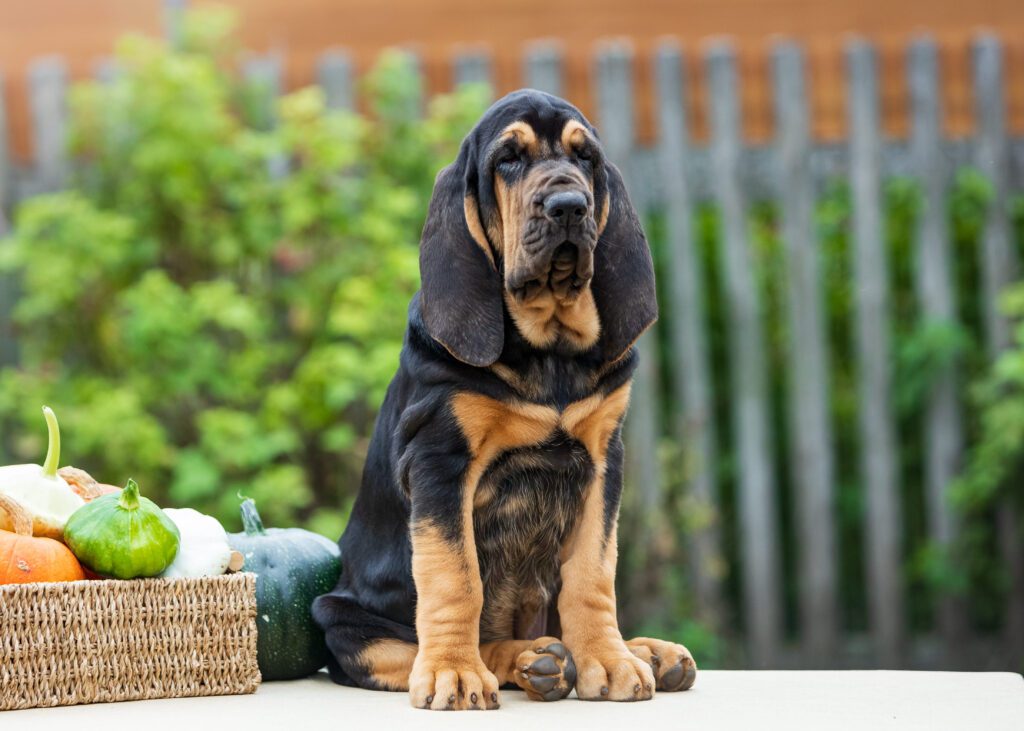

Bloodhounds are gentle, devoted, and famously nose-driven. They bond deeply with their families and often act like oversized lap dogs at home. Their world-class scenting ability makes every walk an adventure. Careful research before adoption matters because this breed has unique needs, including strong tracking instincts, a loud bay, and heavy drool. Adoption gives a deserving dog a second chance while helping shelters and rescues serve more animals in need.
Idaho offers a great setting for a Bloodhound that loves fresh air and long, sniff-filled outings. The state’s mountains, forests, and open spaces give a scent hound room to explore, though secure fencing is essential because Bloodhounds may follow a trail without hesitation. Idaho’s climate brings cold winters and hot, dry summers. A Bloodhound handles cool weather when activity stays moderate, yet it still needs warm bedding and limited outdoor time in extreme cold. Summer heat requires shade, steady hydration, and exercise during cool morning or evening hours. Families with an active lifestyle who can commit to daily mental and physical enrichment will find a loyal partner in this breed.
You can avoid searching separate rescues and shelters by using Dog Academy, which helps you browse available dogs in one place. You can also use Dog Academy’s educational guides and adoption checklists to prepare for each step. In Idaho, adoptable Bloodhounds appear through local animal shelters, regional rescues, and breed-specific rescue groups. Availability changes often, so checking listings consistently helps you act quickly when a good match appears.
The process usually starts with browsing listings, reading each dog’s biography, and making a shortlist that suits your household. The next step is submitting an application that explains your experience, schedule, and housing. Many groups request personal references, proof of landlord approval when you rent, and a veterinary reference if you have current or past pets. A volunteer or staff member reviews the application to ensure the dog’s needs align with your lifestyle.
Meet-and-greets allow you to confirm the fit in person. Families often bring all household members, including resident dogs, to check compatibility. Some groups perform a home check, which can be in person or virtual, to verify safe fencing, secure doors and gates, and a reasonable plan for exercise and rest. Approval timelines vary by organization and dog, though many adoptions in Idaho complete within 1 to 3 weeks when paperwork is prompt and the match is straightforward.
If your ideal Bloodhound is located outside your immediate area, ask about transport. Transport is often arranged by rescues to move dogs between states or within a region when an approved adopter is a strong match. Transport coordination includes scheduling, health paperwork, and safe travel to a designated pickup point. Clear communication keeps the process smooth and predictable.
|
How Much Does It Cost to Adopt a Bloodhound in Idaho?In Idaho, adopting a Bloodhound typically costs $200 to $450. Fees trend toward the lower end for seniors and toward the higher end for puppies and young adults. Costs vary based on age, training, medical care, and local demand for the breed. Adoption fees usually include spaying or neutering, vaccinations, microchipping, and veterinary exams. Some groups also provide heartworm testing, deworming, and a starter supply of preventatives, which can place a healthy young dog near the top of the range. Dogs that needed medical treatment before adoption may reflect a moderate increase within that same range due to recent care. |
How Should I Train a Bloodhound?Bloodhounds are intelligent and sensitive, which means they learn best when training stays positive, consistent, and reward based. Their nose can take over in distracting environments, so you should begin with short sessions in a quiet area and build difficulty gradually. Treats with high value and clear marker cues like yes or good help the dog understand exactly which behavior earns a reward. Common challenges include pulling on leash, selective listening outdoors, and loud baying when excited. Teach a reliable recall indoors first, then practice on a long line outside for safety. Use structured scent games to channel the tracking drive and provide mental exercise. A fitted harness can reduce strain during walks while you reinforce loose-leash skills. For step-by-step guidance from home, explore Dog Academy’s online training courses, which cover core obedience, impulse control, enrichment, and scent-based activities tailored for hounds. |

|
The ideal Bloodhound owner enjoys daily outdoor time, values patience, and commits to gentle structure. A secure yard, a plan for regular sniff walks, and tolerance for drool set everyone up for success. Preparation matters, which includes basic supplies, a safe travel crate, ear care tools, and a schedule for enrichment and training.
Take your time to research, meet dogs thoughtfully, and ask detailed questions. When you are ready to adopt a Bloodhound in Idaho, start with Dog Academy to view current listings and gather the guidance you need for a confident and compassionate decision.

Introducing a new puppy to your current dog is often an exciting process, and many dogs will become fast friends and eas...
Read More
Rescue dogs can make great companions and can transform your home into something better. These dogs make great pets and ...
Read More
You should never rush to pet a dog. Even dog owners make the mistake of approaching unfamiliar dogs and petting them rig...
Read More
Puppy mill dogs are survivors who have endured extreme hardships in their lives. They have grown up in horrendous, unsan...
Read More
With their wagging tails and comforting presence, adopting a dog can add a unique touch to your life. It’s a heart...
Read More
Older dogs may have a few gray hairs around the edges, but that doesn’t mean they can’t make wonderful companions! T...
Read More