




























































































































































































Introducing a new puppy to your current dog is often an exciting process, and many dogs will become fast friends and eas...
Read MoreAdopt Me

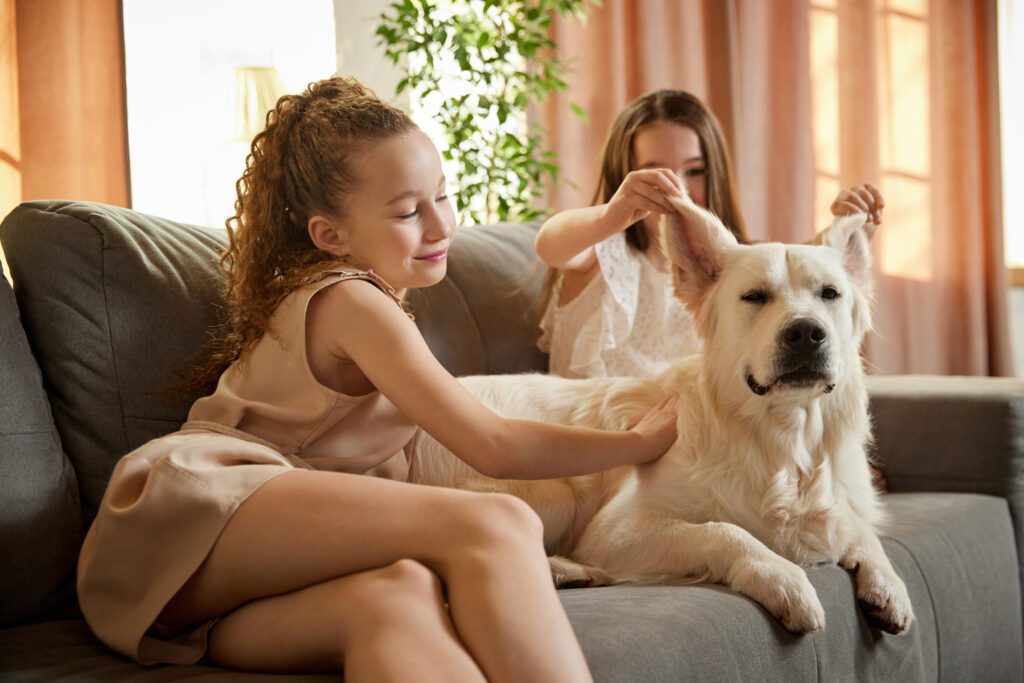
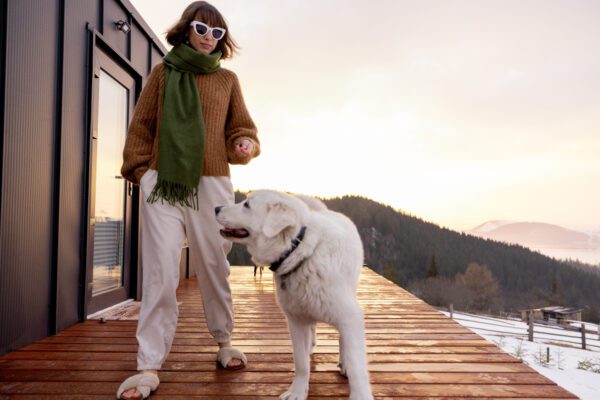
The Akbash is a calm, vigilant livestock guardian with deep loyalty to family and flock. The breed is independent, thoughtful, and tuned to protect, which makes an Akbash a powerful partner for rural homes that value security and steady temperament. Research matters before you bring this breed home, because an Akbash thrives when its guardian instincts have clear direction and consistent structure.
Choosing adoption supports dogs in need while giving you transparency about adult size, temperament, and health. Many adoptable Akbash dogs already live in foster homes, which means you can learn about their behavior in real settings. Idaho offers strong potential for this breed. The state’s open spaces, working farms, and mountain trails suit a large guardian that prefers a job. Idaho’s winters are cold and snowy in many areas, and the Akbash coat handles cold well, though summer heat at lower elevations requires shade, fresh water, and rest during midday.
Idaho’s geography adds both opportunity and responsibility. Rural properties allow secure fencing and distance from neighbors, which helps manage protective barking. Urban or suburban settings can work when owners commit to training, reliable containment, and calm exposure to visitors. Thoughtful preparation makes adoption smoother and safer for everyone.
You can avoid searching shelters and rescues one by one by using Dog Academy. Browse up-to-date Akbash adoption listings in one place, filter by location and age, and use Dog Academy’s educational guides and adoption checklists to plan each step. Centralized listings save time and reduce stress while you focus on fit and readiness.
Look for available dogs through local animal shelters, regional rescues, breed-specific rescue groups, and foster-based networks. Read each profile closely to confirm key details such as size, energy level, comfort with livestock or children, and any training already completed. Understanding Akbash needs is essential. This breed guards by nature, prefers predictable routines, and does best with confident leadership and secure fencing that is at least 6 feet tall.
The process usually begins with browsing listings, then submitting an application that includes personal information, references, and proof of housing stability. Many groups ask for permission to speak with a veterinarian, which helps verify past pet care. A meet-and-greet often follows at the shelter or a foster home so everyone can observe handling, leash manners, and initial rapport. Home checks are common and may be virtual or in-person to confirm fencing, safe gates, and suitable living space.
Approval timelines vary by group and dog. Straightforward local adoptions may be completed within 1 to 2 weeks after application, while puppies, working-line adults, or out-of-area transfers may take longer. Some rescues arrange transport to move dogs between locations when a strong match appears. Transport is often organized by the rescue using volunteer drivers or licensed carriers, and it may include a modest fee to cover fuel, health certificates, and coordination. Clear communication with the placement coordinator keeps expectations realistic and helps you prepare your home before arrival.
|
How Much Does It Cost to Adopt a Akbash in Idaho?In Idaho, expect to pay approximately $200 to $450 to adopt an Akbash. Fees trend toward the lower end for adult dogs placed by local shelters and toward the higher end for puppies or dogs placed by breed-focused rescues that invest more in training and medical care. Rarity in the region, demand from working homes, and time spent in foster care also influence pricing. Most adoption fees help cover spaying or neutering, vaccinations, microchipping, and veterinary exams. Costs may increase when a dog receives additional care such as dental cleanings, orthopedic evaluations, or behavior support sessions. Age, prior training, and demonstrated suitability for livestock work can affect fees because ready-to-work or well-mannered family companions require more resources to prepare. |
How Should I Train a Akbash?The Akbash is intelligent and capable, yet independent by design. This breed thinks before responding and dislikes chaotic handling. Training should focus on calm leadership, predictable routines, and clear boundaries. Use positive reinforcement with high-value rewards, and keep sessions brief and purposeful. Early socialization with people, livestock, and well-matched dogs builds confidence while preserving a healthy sense of discernment. Common challenges include territorial barking, selective recall, and roaming if fencing is weak. Teach reliable recall with long lines, reinforce quiet behavior with structured rest, and prevent rehearsed mistakes by supervising outdoor time. Provide work-like outlets such as boundary walks, scent games, livestock partnership under guidance, and steady leash hikes. For step-by-step guidance that respects guardian instincts and family life, explore Dog Academy’s online training courses, which cover foundation skills, leash manners, impulse control, and enrichment tailored to large working breeds. |
|
The ideal Idaho adopter for an Akbash enjoys a thoughtful, protective partner, values routine, and provides secure space. A home with acreage or a large yard helps, though dedicated urban owners can succeed with strong management, reliable fencing, and daily structured exercise. Families should be prepared to guide visitors calmly, supervise introductions, and invest in early training.
Take time to study the breed, budget for adoption and supplies, and prepare your home before you apply. When you match an Akbash with your lifestyle, you gain a steadfast guardian and a devoted companion. Start with organized listings and clear education, move at a measured pace, and choose the dog that fits your goals for life in Idaho.

Introducing a new puppy to your current dog is often an exciting process, and many dogs will become fast friends and eas...
Read More
Rescue dogs can make great companions and can transform your home into something better. These dogs make great pets and ...
Read More
You should never rush to pet a dog. Even dog owners make the mistake of approaching unfamiliar dogs and petting them rig...
Read More
Puppy mill dogs are survivors who have endured extreme hardships in their lives. They have grown up in horrendous, unsan...
Read More
With their wagging tails and comforting presence, adopting a dog can add a unique touch to your life. It’s a heart...
Read More
Older dogs may have a few gray hairs around the edges, but that doesn’t mean they can’t make wonderful companions! T...
Read More