


















































































































































































Introducing a new puppy to your current dog is often an exciting process, and many dogs will become fast friends and eas...
Read MoreAdopt Me

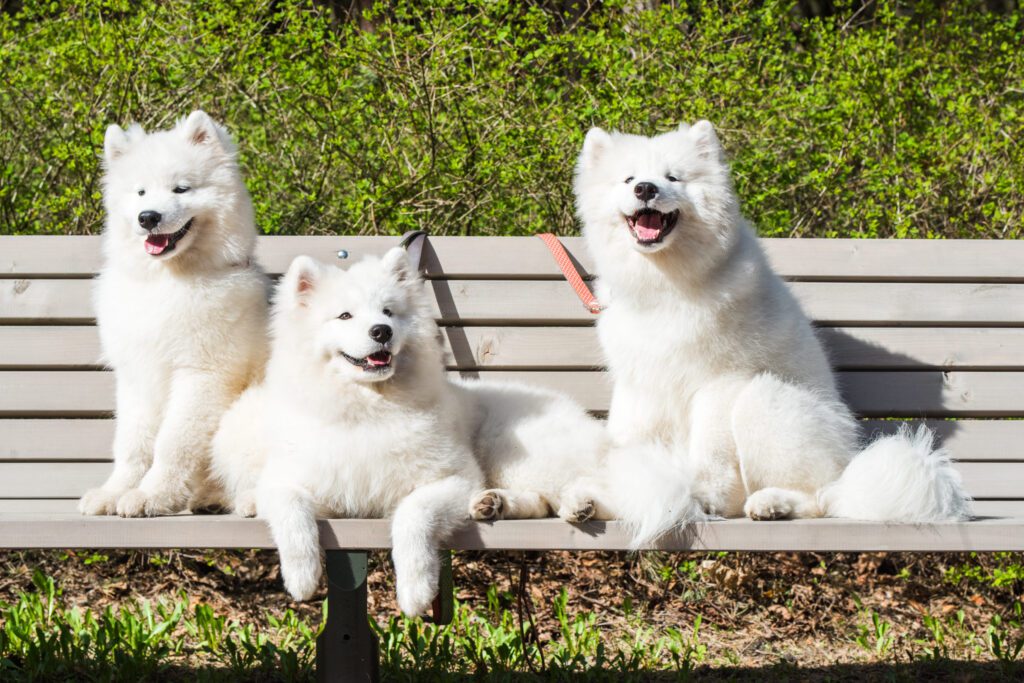

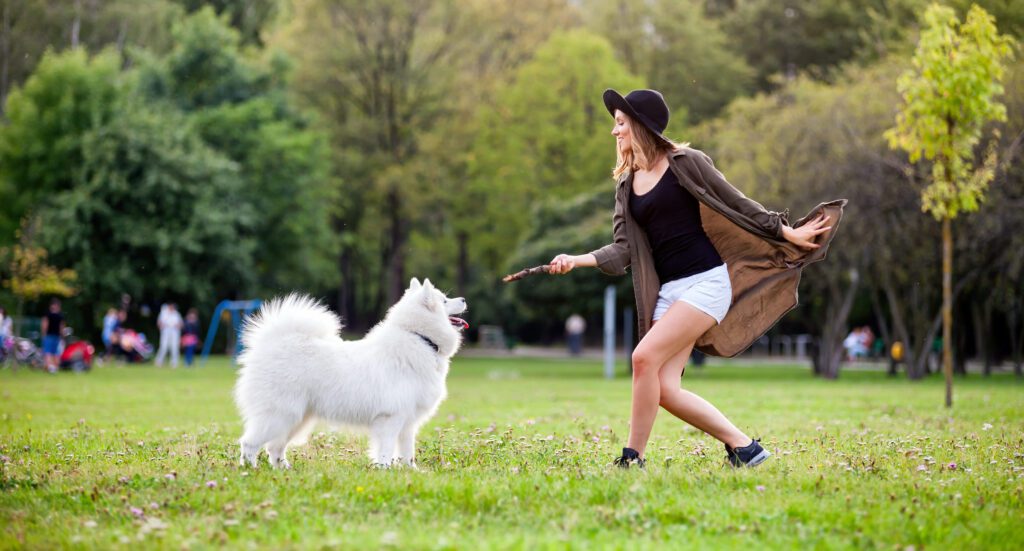
Samoyeds are affectionate, social, and cheerful dogs known for their famous smile and fluffy white coats. They are intelligent and energetic, and they love being near their people. This breed comes from Arctic working dogs, which means a strong work ethic, steady stamina, and a thick double coat that protects the skin and insulates the body.
Research matters before you adopt because Samoyeds need daily exercise, consistent training, and regular grooming. Adoption is preferable to buying because it gives a dog a second chance, supports responsible care, and often provides helpful history about temperament and health. Adopting also helps reduce demand for irresponsible breeding and keeps space available for other pets in need.
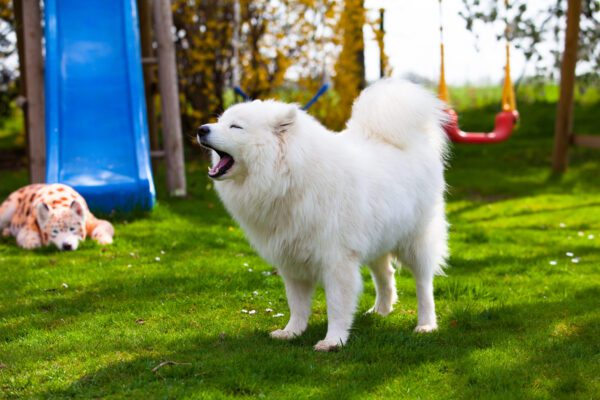
Hawaii’s warm, humid climate can be challenging for a cold-weather breed, so careful management is essential. A Samoyed in Hawaii needs air conditioning indoors, shaded rest areas outside, and exercise during cooler hours in the early morning or evening. Island geography offers ocean breezes and scenic trails, but hot pavement and intense sun require caution, frequent water breaks, and rest. Hawaii’s relaxed outdoor lifestyle can suit a Samoyed that has patient training, strong recall, and good manners around people and other dogs.
You can avoid searching shelters and rescues separately by using Dog Academy to browse current adoption listings in one place. Dog Academy also provides clear educational guides and practical adoption checklists that help you prepare, evaluate fit, and complete each step with confidence.
To adopt a Samoyed in Hawaii, start by browsing adoptable dogs through local animal shelters, regional rescues, and breed-specific rescue groups. Read each profile carefully and look for energy level, health notes, and behavior with children or other pets. Understanding Samoyed needs helps you choose a dog that matches your lifestyle, your housing rules, and your schedule.
Next, complete an application that typically asks about your home, your yard or walking plan, your experience with dogs, and your veterinary arrangements. Many groups request landlord approval when you rent, proof of identification, and personal references. After the application review, you may have a phone interview and a meet-and-greet. The meet-and-greet confirms temperament, discusses routines, and checks fit with any resident pets. Some groups conduct home checks, which means a volunteer verifies that the space is safe, that gates latch securely, and that the dog will have reliable shade and climate control.
Approval timelines usually range from several days to a few weeks. Timelines vary based on the dog’s medical needs, the number of applicants, and the group’s volunteer capacity. When a suitable dog is not available on your island, rescues may arrange transport between locations to complete a match. Transport is often arranged by rescues to move dogs between states or islands, and it typically involves purchasing an airline-approved crate and coordinating flight bookings. Hawaii maintains strict entry rules to protect its rabies-free status, and these rules can require microchipping, specific vaccinations, blood testing, documented waiting periods, and fees. Some rescues help organize paperwork and coordinate travel once requirements are met, and they will clearly explain any steps that the adopter must complete.
|
How Much Does It Cost to Adopt a Samoyed in Hawaii?Most Samoyed adoption fees in Hawaii fall between $300 and $650. Adult dogs often land in the $350 to $550 range, while puppies can reach the top of the range due to higher demand and added care. Pricing reflects the dog’s age, prior training, medical history, and how much interest the dog receives. Adoption fees usually include spaying or neutering, vaccinations, microchipping, and veterinary exams. If a rescue coordinates transport, expect additional costs. Inter-island or mainland airfare and a travel crate can add $200 to $500. Meeting Hawaii entry requirements can add $100 to $400 depending on which steps the rescue has already completed. These extras are separate from the adoption fee, and they help ensure safe travel and compliant entry for your new dog. |
How Should I Train a Samoyed?Samoyeds are intelligent and eager, but they can be independent thinkers. Positive reinforcement builds trust and keeps training fun. Use short, upbeat sessions, reward calm choices, and practice daily. Consistency prevents boredom and reduces behaviors like jumping, pulling, and excessive barking. Focus on foundation skills that suit island life. Loose-leash walking helps you navigate neighborhoods and trails comfortably. A strong recall adds safety when doors open or distractions appear. Calm greetings and place training help manage excitement around guests. Crate training and gradual alone-time training reduce stress when you leave home. Cooperative care makes brushing, nail trims, and coat checks easier, which matters for a double-coated breed in a warm climate. For structured support, explore Dog Academy’s online training courses, which offer step-by-step lessons to build obedience, impulse control, and real-world manners. |
|
The ideal adopter is active, patient, and ready to manage heat and grooming. A Samoyed thrives with daily exercise, cool indoor spaces, and steady training. Regular brushing keeps the coat healthy, and thoughtful scheduling protects the dog from midday heat.
Take time to research, prepare your home, and choose the right match. Use Dog Academy to explore current listings, learn with expert guides, and follow a clear adoption checklist. With planning and patience, you can adopt a Samoyed in Hawaii and welcome a friendly, loyal companion who fits your island lifestyle.
Introducing a new puppy to your current dog is often an exciting process, and many dogs will become fast friends and eas...
Read More
Rescue dogs can make great companions and can transform your home into something better. These dogs make great pets and ...
Read More
You should never rush to pet a dog. Even dog owners make the mistake of approaching unfamiliar dogs and petting them rig...
Read More
Puppy mill dogs are survivors who have endured extreme hardships in their lives. They have grown up in horrendous, unsan...
Read More
With their wagging tails and comforting presence, adopting a dog can add a unique touch to your life. It’s a heart...
Read More
Older dogs may have a few gray hairs around the edges, but that doesn’t mean they can’t make wonderful companions! T...
Read More