




























































































































































































Introducing a new puppy to your current dog is often an exciting process, and many dogs will become fast friends and eas...
Read MoreAdopt Me

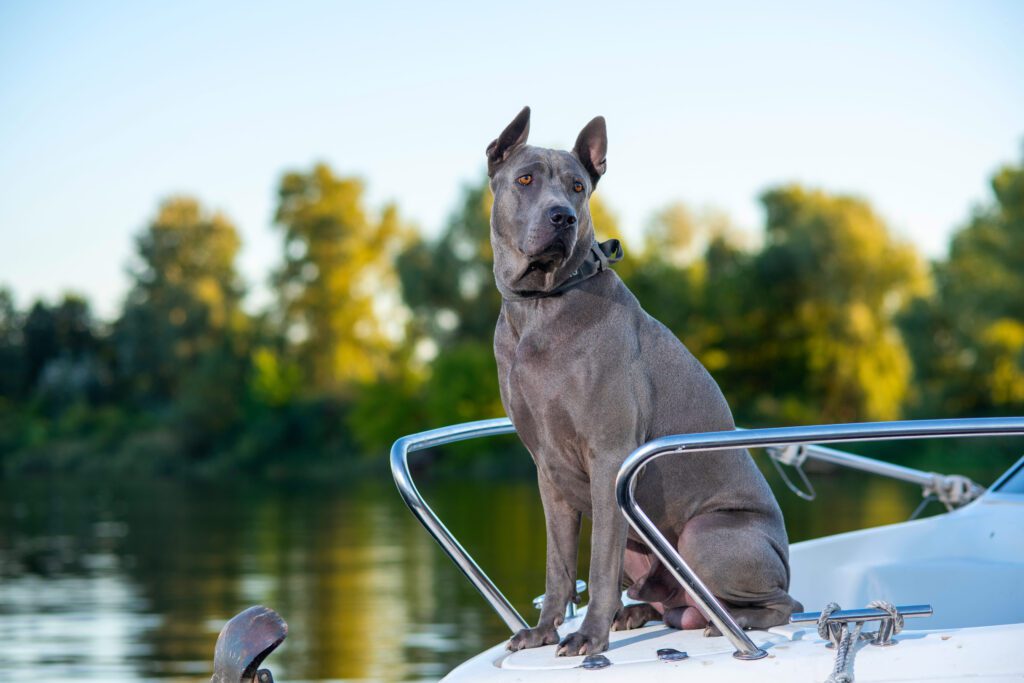
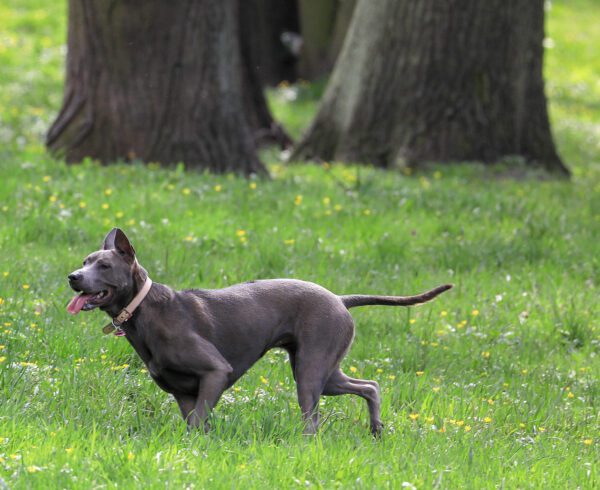
The Thai Ridgeback is athletic, alert, and deeply loyal. This breed bonds closely with family, shows natural watchdog instincts, and prefers clear guidance from a confident owner. Thai Ridgebacks are independent thinkers who thrive with structure, routine, and daily mental challenges.
Research matters before you adopt a Thai Ridgeback in Hawaii. Adoption gives a deserving dog a second chance, and it often includes essential veterinary care that helps you start strong. Learning the breed’s needs in advance sets you up for success and reduces stress for both you and the dog.
Hawaii’s warm climate suits the Thai Ridgeback’s short coat, but heat and sun require care. This breed benefits from early morning or evening exercise, steady hydration, and shade on bright days. Island geography offers beaches and trails, yet a strong prey drive and independent streak mean you must practice reliable leash skills and recall. Condos and smaller yards work if exercise and enrichment stay consistent, while secure fencing is important in any neighborhood.
You can avoid searching separate rescues and shelters by using Dog Academy to browse adoption listings in one place. You can also find clear educational guides and practical adoption checklists to help you prepare your home, plan your budget, and choose the right match.
Start your search through local animal shelters, regional rescues, and breed-specific rescue groups. Thai Ridgebacks are rare in Hawaii, so you may see mixed-breed dogs with similar traits or dogs transferred from other regions. Read each listing carefully, note known behaviors, and confirm any medical or training history before you apply.
The process usually begins with browsing listings and submitting an application that covers your experience, lifestyle, and home setup. Many groups request landlord approval if you rent and personal or veterinary references. After an initial review, you may complete a phone or video interview. Meet-and-greets can occur at a shelter, a foster home, or a neutral location, and some organizations offer virtual introductions if the dog is on another island. A home check often follows. Home checks can be in person or virtual, and they confirm safety features like secure fencing, safe storage for food and cleaning supplies, and a quiet sleeping area. Approval timelines vary by organization and by the dog’s needs, and they commonly take between 1 and 3 weeks.
If the dog is on a neighbor island or the mainland, rescues sometimes arrange transport to move dogs between locations. Transport can involve a flight volunteer or cargo booking, along with a crate, a health certificate, and clear arrival instructions. Hawaii protects its rabies-free status, so incoming dogs must meet strict entry rules. These rules typically include a microchip, up-to-date rabies vaccinations, a qualifying blood test, documented waiting periods, and original paperwork. Planning ahead helps you avoid delays and reduces the chance of quarantine, so confirm steps and timelines with the rescue early in the process.

|
How Much Does It Cost to Adopt a Thai Ridgeback in Hawaii?Most adopters in Hawaii pay between $250 and $650 to adopt a Thai Ridgeback through shelters or rescues. Rarer availability, age, and prior medical care influence the fee, and puppies or recently imported dogs often sit at the higher end. Fees usually include spaying or neutering, vaccinations, microchipping, and veterinary exams, which helps you begin with documented care. Total costs can rise when transport is required. If a dog needs inter-island or mainland transfer, transport commonly adds $300 to $700 based on flight options, crate size, and timing. Demand for this breed, prior training, and any recent medical treatment can also affect the final fee. |
How Should I Train a Thai Ridgeback?Thai Ridgebacks are intelligent and capable, yet they are also independent. Training should be clear, consistent, and upbeat. Short sessions with positive reinforcement keep attention high and build trust. Food rewards, toys, and praise work well when you mark good choices quickly and end sessions on a win. Early socialization is essential. Introduce new people, friendly dogs, varied surfaces, and different sounds in a controlled and calm way. Focus on leash manners, impulse control, and a reliable recall that begins on a long line. A strong prey drive means management matters, so use secure fencing and practice door manners to prevent dashing. Crate training supports restful sleep, safe travel, and smooth vet visits, which is especially useful when transport or island travel is part of your life. You can build skills at home with Dog Academy’s online training courses. Courses cover foundation obedience, loose-leash walking, impulse control, and behavior problem solving, and they provide step-by-step lessons that fit busy schedules. |
|
The ideal owner for a Thai Ridgeback is active, patient, and consistent. This owner values structure, sets clear rules, and enjoys daily training and enrichment. A secure yard or a solid exercise plan is important, and time for socialization and mental games keeps this bright dog satisfied.
Preparation leads to a smoother adoption. Take time to learn the breed, gather supplies, and plan for heat, sun, and safe outdoor adventures. Move at a thoughtful pace, use trusted resources, and choose a dog whose energy and temperament fit your home. When you are ready, explore listings through Dog Academy and begin a confident, well-informed search for your new companion.

Introducing a new puppy to your current dog is often an exciting process, and many dogs will become fast friends and eas...
Read More
Rescue dogs can make great companions and can transform your home into something better. These dogs make great pets and ...
Read More
You should never rush to pet a dog. Even dog owners make the mistake of approaching unfamiliar dogs and petting them rig...
Read More
Puppy mill dogs are survivors who have endured extreme hardships in their lives. They have grown up in horrendous, unsan...
Read More
With their wagging tails and comforting presence, adopting a dog can add a unique touch to your life. It’s a heart...
Read More
Older dogs may have a few gray hairs around the edges, but that doesn’t mean they can’t make wonderful companions! T...
Read More