




































































































































Introducing a new puppy to your current dog is often an exciting process, and many dogs will become fast friends and eas...
Read MoreAdopt Me

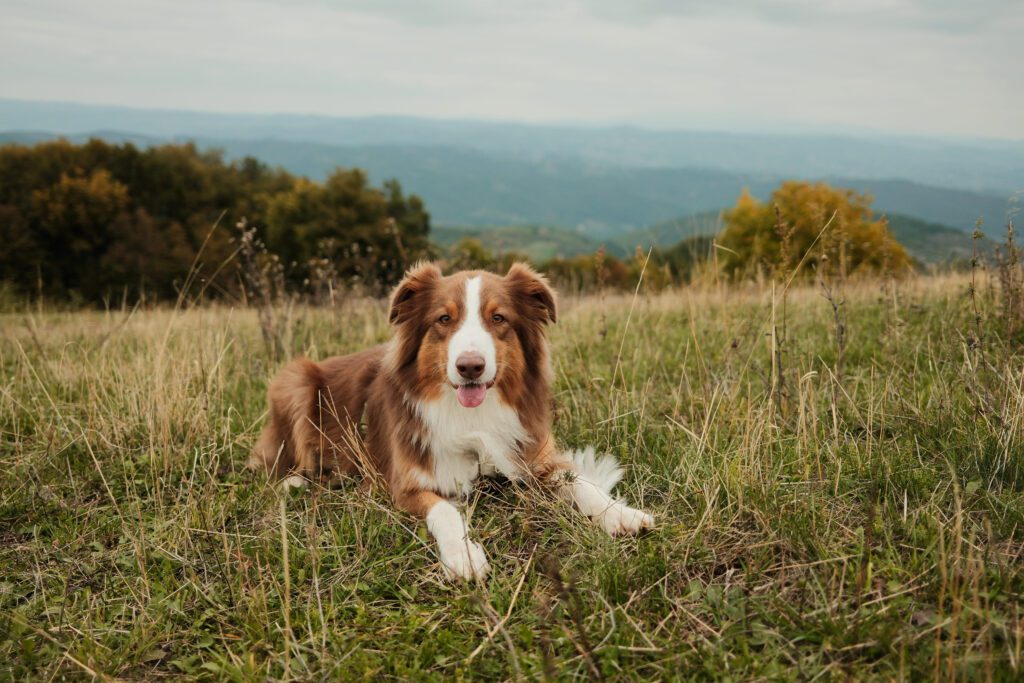
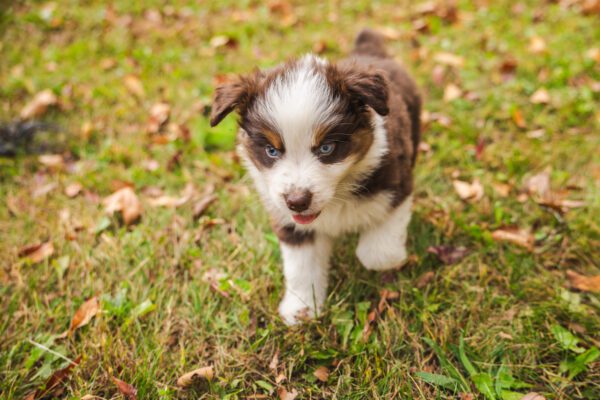
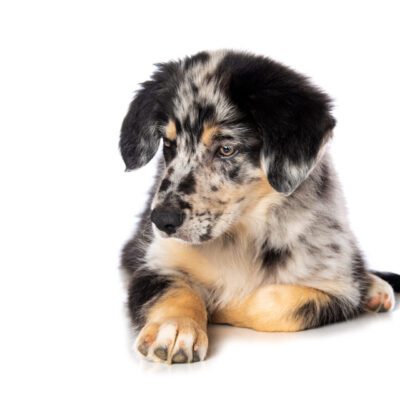
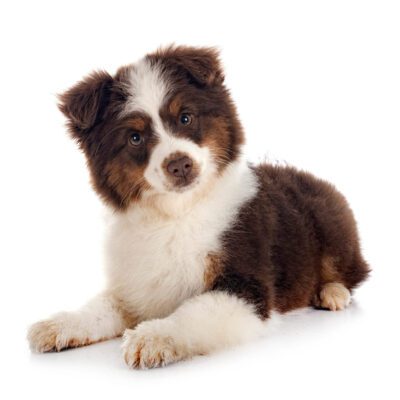
The Toy Aussie is a small herding dog with big energy and bright intelligence. This breed stays loyal to the family, bonds closely with one person, and loves to learn new skills. A Toy Aussie thrives when the household provides daily activity, mental challenges, and clear structure.
Research matters before you bring home any dog. A Toy Aussie needs consistent training, a predictable routine, and outlets for problem-solving games. Adoption is preferable to buying because it gives a dog a second chance, supports ethical placement practices, and often includes essential veterinary care.
Hawaii offers year-round sunshine and outdoor fun, which suits a Toy Aussie that enjoys hikes and beach walks. Heat and humidity require careful planning so the dog exercises during cooler hours, rests in shade, and drinks plenty of fresh water. Island geography can mean smaller yards and apartment living, so daily walks, play sessions, and enrichment are important to keep a Toy Aussie calm and content.
You can avoid searching rescues and shelters separately by using Dog Academy to browse current adoption listings in one place. Dog Academy also provides educational guides and adoption checklists that help you prepare your home, understand breed needs, and move confidently through each step.
Adoptable Toy Aussies in Hawaii are most often found through local animal shelters, regional rescues, and breed-specific rescue groups that operate foster networks. Start by browsing listings, reading each bio in full, and noting age, temperament, energy level, and any medical or training needs. A detailed bio helps you match a dog’s routine and exercise requirements with your lifestyle.
Most organizations ask you to submit an application that includes personal information, household details, and plans for daily care. Many groups request references, landlord approval when you rent, and proof that other pets are current on vaccinations. After an application review, you typically schedule a meet-and-greet at a shelter, at an adoption event, or with a foster caregiver. When you live on a different island, many groups arrange virtual meet-and-greets so you can speak with the foster and see the dog’s behavior in real time.
Home checks are common because they confirm safe fencing, secure gates, and an appropriate setup for a small herding dog. A home check may happen in person or by video tour, and some groups accept clear photos of living areas. Approval timelines vary by organization. Many shelters complete approvals within about 1 week, while many rescues take 1 to 3 weeks due to reference checks and coordination with fosters.
When a dog is not on your island, rescues sometimes arrange transport between locations after a match is approved. Transport is often arranged by rescues to move dogs between islands or from the mainland, and a coordinator manages health certificates, flight bookings, and safe travel crates so the dog arrives ready for pickup. Ask for a written plan so you understand who pays for which costs and how the dog will be handed off at the airport.
|
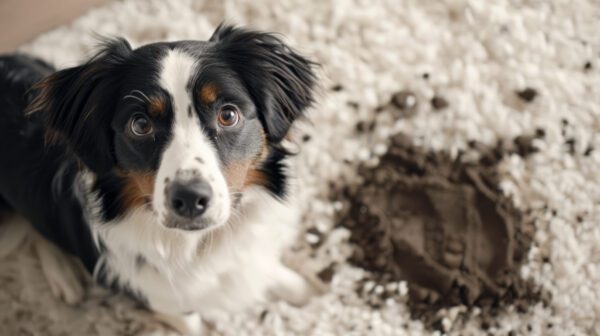
How Much Does It Cost to Adopt a Toy Aussie in Hawaii?Expect adoption fees for a Toy Aussie in Hawaii to range from $300 to $600. Fees in this range reflect the breed’s popularity, the higher cost of veterinary services on the islands, and the careful screening done by many foster-based groups. Puppies usually cost more than adults because demand is high and early care is more intensive, while seniors often cost less because the focus is on finding a stable home. Costs vary based on age, training, medical care, and demand. The fee commonly includes spaying or neutering, vaccinations, microchipping, and veterinary exams. Some organizations also include flea and tick prevention, deworming, and a starter bag of food. Plan for additional expenses such as a license fee, a properly fitted harness, an identification tag, a crate, and inter-island travel costs if transport is required. |
How Should I Train a Toy Aussie?A Toy Aussie learns fast and looks for patterns, which makes training both rewarding and necessary. Positive reinforcement works best because this breed responds to clear markers, timely rewards, and short sessions that build focus. Begin with foundations like name recognition, hand target, sit, down, stay, recall, and loose-leash walking, and practice daily so skills become reliable in real-life settings. Common challenges include nipping during excitement, herding behaviors with children or other pets, and alert barking. You can redirect nipping by teaching a tug cue, reinforcing calm play, and ending the game when teeth touch skin. You can reduce barking by rewarding quiet moments, providing structured exercise before busy times, and using enrichment like puzzle feeders and scent games. For step-by-step lessons and coaching you can start today, explore Dog Academy’s online training courses designed for small herding breeds that need mental workouts as much as physical activity. |
|
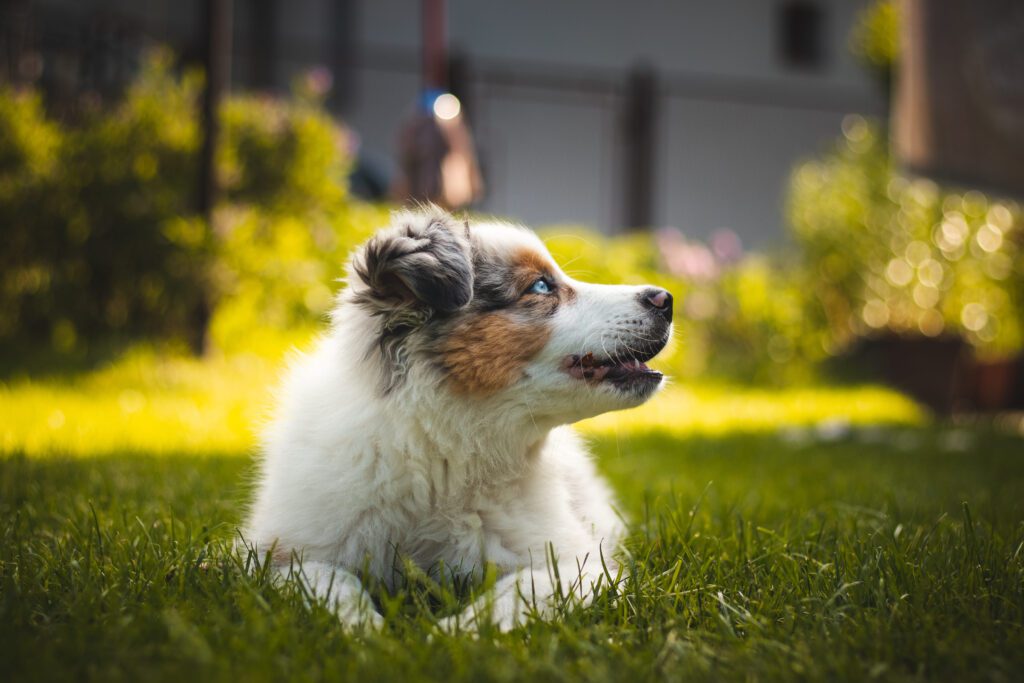
The ideal owner for a Toy Aussie in Hawaii enjoys daily walks, early or late play sessions to avoid heat, and regular training that keeps a quick mind engaged. A great match also sets clear routines, provides shade and fresh water outdoors, and enjoys teaching tricks or games that channel herding instincts into positive outlets.
Take time to prepare your home, gather supplies, and choose a veterinarian you trust. Move through the process thoughtfully so you understand each dog’s needs before you commit. Start your search with Dog Academy’s adoption listings, learn from trusted guides, and find a Toy Aussie in Hawaii that truly fits your lifestyle for the long term.
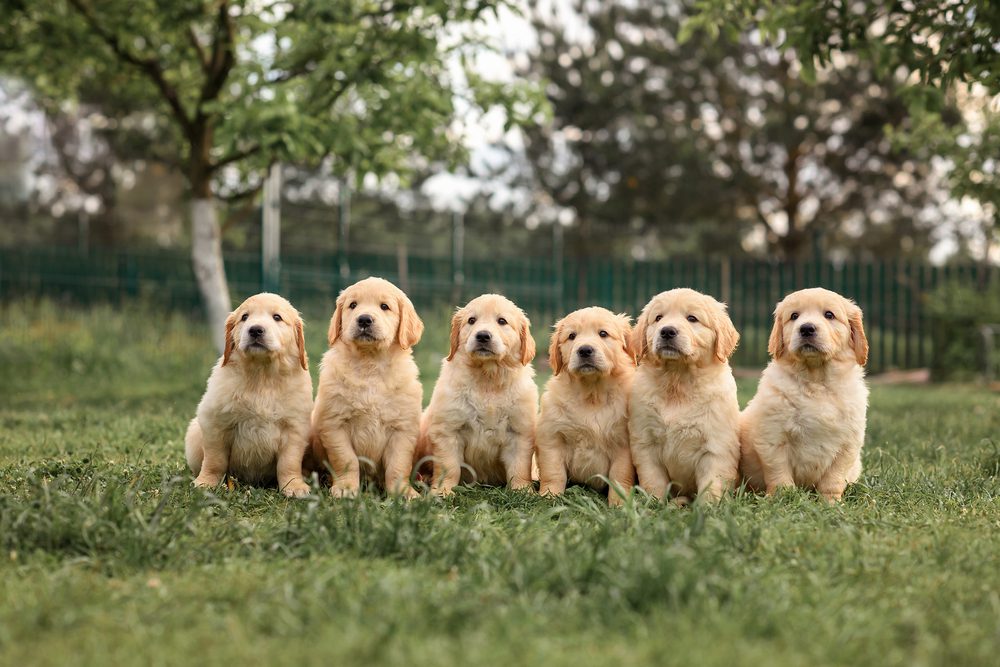
Introducing a new puppy to your current dog is often an exciting process, and many dogs will become fast friends and eas...
Read More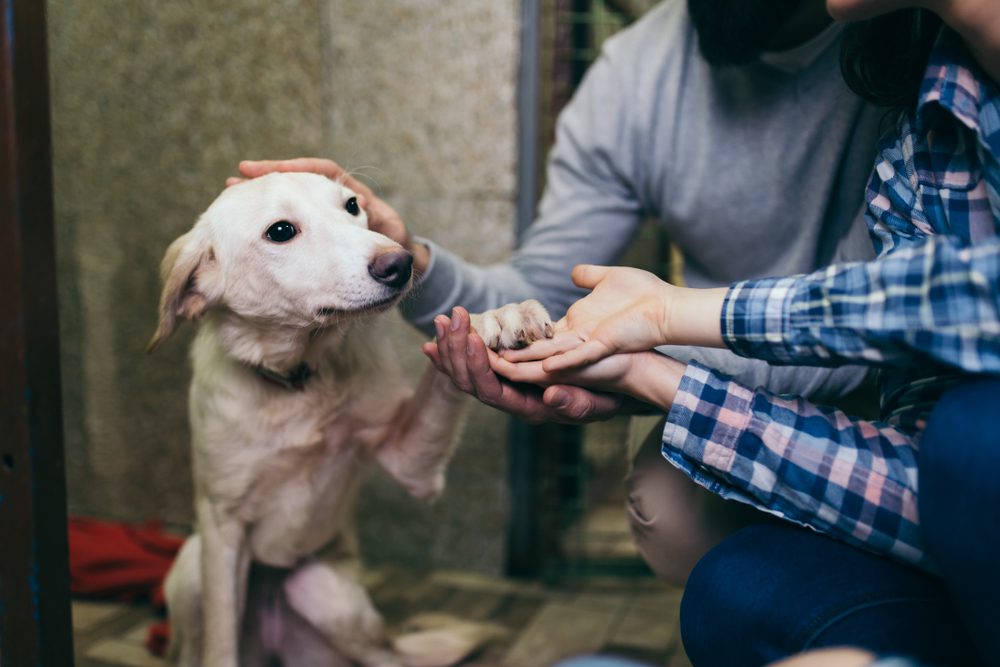
Rescue dogs can make great companions and can transform your home into something better. These dogs make great pets and ...
Read More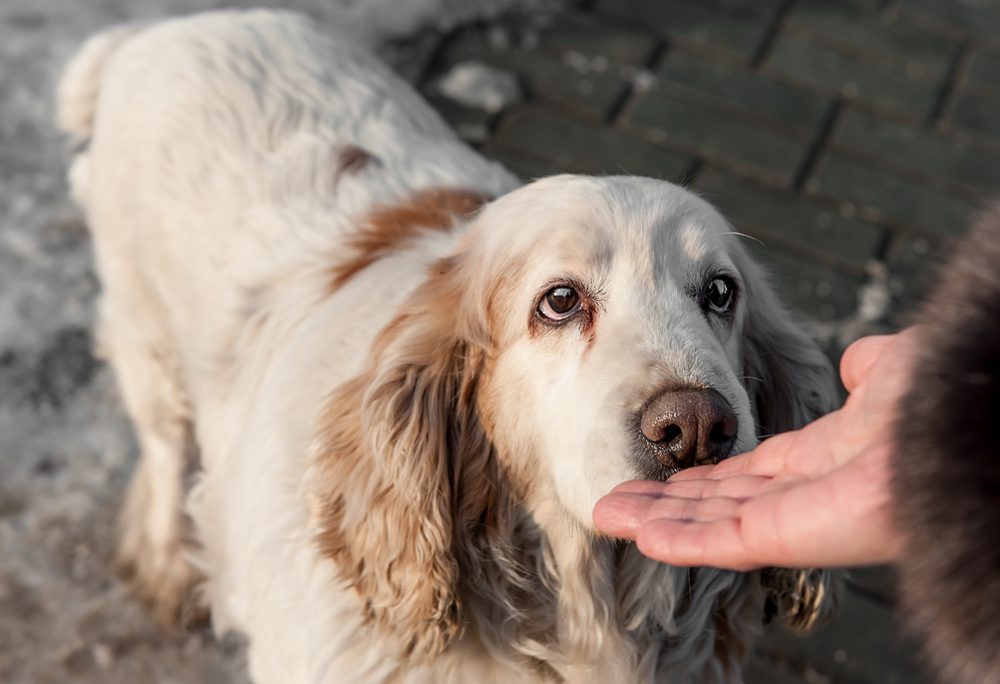
You should never rush to pet a dog. Even dog owners make the mistake of approaching unfamiliar dogs and petting them rig...
Read More
Puppy mill dogs are survivors who have endured extreme hardships in their lives. They have grown up in horrendous, unsan...
Read More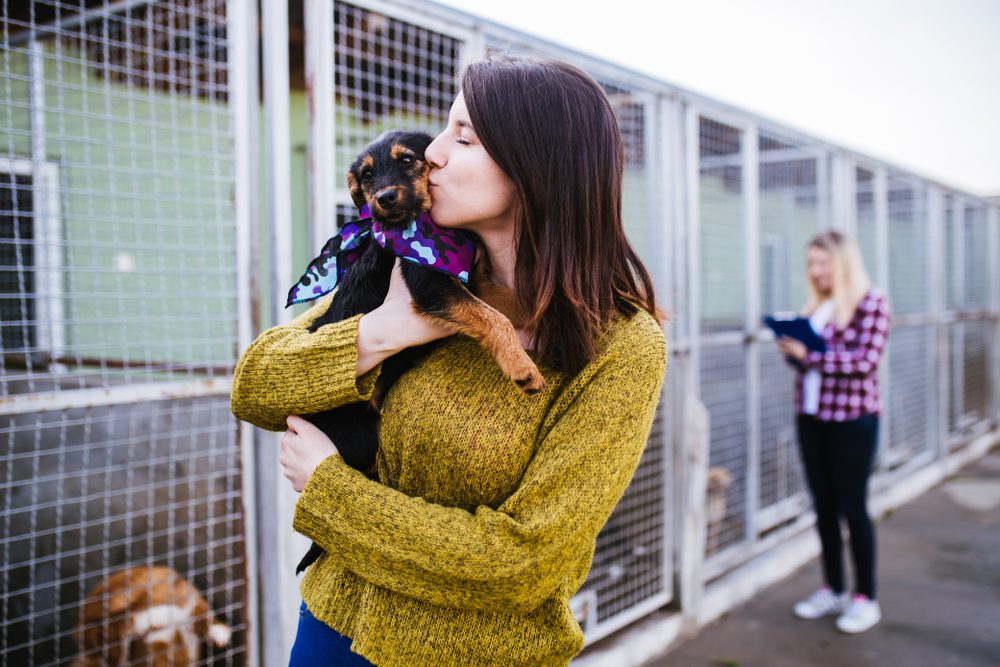
With their wagging tails and comforting presence, adopting a dog can add a unique touch to your life. It’s a heart...
Read More
Older dogs may have a few gray hairs around the edges, but that doesn’t mean they can’t make wonderful companions! T...
Read More