




























































































































































































Introducing a new puppy to your current dog is often an exciting process, and many dogs will become fast friends and eas...
Read MoreAdopt Me

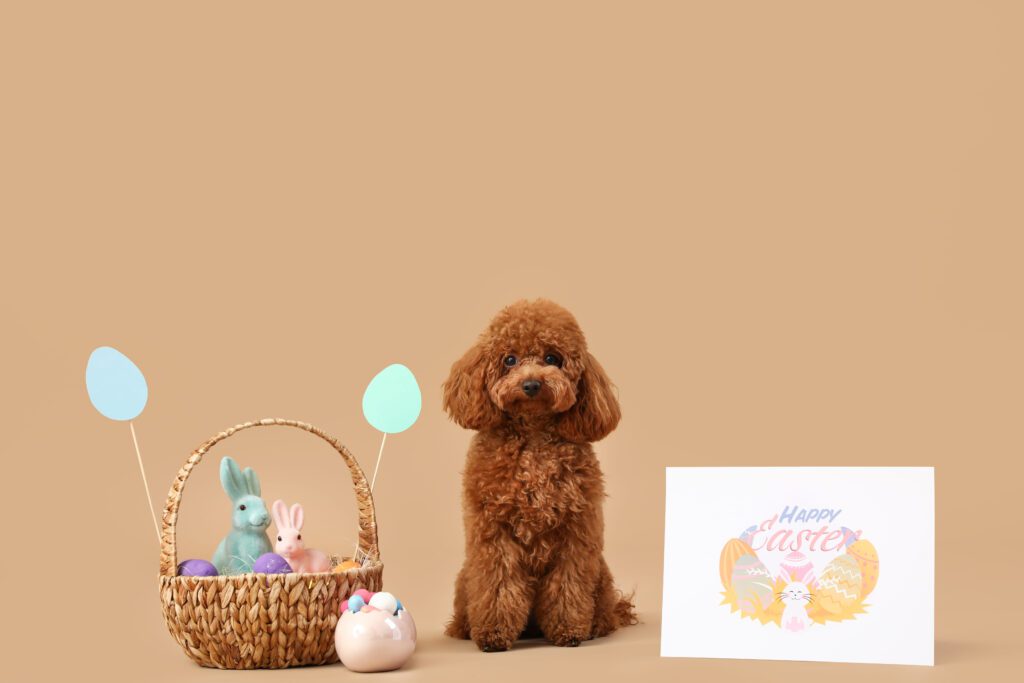

Toy Poodles are bright, affectionate, and eager to please. The breed stays small, sheds very little, and thrives on attention and mental challenges. A Toy Poodle fits well with many households that want a compact companion with a big personality and a love of learning.
Successful adoption starts with research. Adopters who understand grooming needs, exercise habits, and health considerations make better matches and avoid preventable stress. Adoption often proves preferable to buying because it supports lifesaving work, provides transparency about a dog’s history when known, and directs funds toward care instead of commercial breeding.
Hawaii’s warm climate and island geography present unique opportunities and responsibilities. A Toy Poodle enjoys year-round walks but needs shade, fresh water, and rest on hot days. Hot sand and rough lava rock can irritate paws, so short outings during cooler hours work best. Condos and smaller homes suit this breed, and the light footprint of a Toy Poodle aligns well with urban island living. Regular flea, tick, and heartworm prevention is important in a tropical environment, and consistent grooming keeps the coat clean after beach or trail time.
You can save time by browsing adoptable Toy Poodles in one place with Dog Academy. The listings help you avoid searching rescues and shelters separately, and the platform also offers educational guides and adoption checklists that prepare you for each step. You can also check local animal shelters, regional rescues, and breed-specific rescue groups that operate in Hawaii.
Start by reviewing listings and reading each profile in full. Profiles usually note age, size, temperament, and medical updates. Create a shortlist that matches your lifestyle, grooming budget, and activity level. Contact the organization that posted the dog and ask any questions about behavior, daily routine, and any known medical needs.
Most organizations use applications to learn about your home, schedule, and experience. Applications typically request information about housing, household members, current pets, and veterinary history. A coordinator reviews your application and may schedule a phone call to discuss expectations and training plans. Approval times often range from a few days to 2 weeks, depending on volunteer capacity, reference checks, and the number of applications for the same dog.
Next comes a meet-and-greet. You will interact with the Toy Poodle, ask behavior questions, and observe energy levels. Many groups also complete a home check to confirm safe fencing, tidy living areas, and secure storage of chemicals or medications. If you live on a different island, some rescues arrange transport to move dogs between locations when appropriate. When transport is used, the rescue or shelter explains costs, timing, and required health certificates so the dog travels safely and arrives ready to settle.

|
How Much Does It Cost to Adopt a Toy Poodle in Hawaii?Expect a typical adoption fee of $300 to $550 in Hawaii for a Toy Poodle. Fees trend higher for puppies and highly social young adults, and they trend lower for seniors or dogs with ongoing medical needs. Island veterinary costs and occasional inter-island or mainland-to-island transport can also influence the final fee. Fees usually include spaying or neutering, vaccinations, microchipping, and veterinary exams. Many organizations also cover deworming, flea and tick prevention, heartworm testing, and a dental cleaning when needed. Age, prior training, recent medical care, and local demand for small hypoallergenic breeds can move the fee toward the top of the range. |
How Should I Train a Toy Poodle?Toy Poodles are exceptionally intelligent and learn quickly when training stays positive and consistent. Short sessions with clear cues, timely rewards, and calm repetition keep this sensitive breed engaged. Clicker training and food rewards work very well, and praise helps build confidence. Common challenges include vocalizing at new sounds, becoming overly attached, and resisting grooming tasks. You can prevent these issues by teaching quiet on cue, building independence with crate time, and pairing grooming with rewards. Socialize your dog around elevators, lobbies, outdoor cafes, and gentle shoreline activity so island life feels routine. Leash manners, recall, and polite greetings make neighborhood walks and beachside paths safer and more enjoyable. For step-by-step guidance, explore Dog Academy’s online training courses. The lessons cover foundation skills, problem prevention, and enrichment ideas that keep a smart Toy Poodle mentally satisfied. |
|
The ideal adopter enjoys daily walks, regular play, and consistent training. A Toy Poodle suits people who want a small companion, who accept routine grooming, and who value quiet indoor time during hotter hours. A well-matched home provides mental games, patient guidance, and a safe space to rest.
Set yourself up for success by preparing supplies, budgeting for grooming and preventive care, and taking time to meet the right dog. Review listings carefully, ask direct questions, and move at a thoughtful pace. With preparation and patience, you can adopt a Toy Poodle in Hawaii and welcome a bright, loving partner into your life.

Introducing a new puppy to your current dog is often an exciting process, and many dogs will become fast friends and eas...
Read More
Rescue dogs can make great companions and can transform your home into something better. These dogs make great pets and ...
Read More
You should never rush to pet a dog. Even dog owners make the mistake of approaching unfamiliar dogs and petting them rig...
Read More
Puppy mill dogs are survivors who have endured extreme hardships in their lives. They have grown up in horrendous, unsan...
Read More
With their wagging tails and comforting presence, adopting a dog can add a unique touch to your life. It’s a heart...
Read More
Older dogs may have a few gray hairs around the edges, but that doesn’t mean they can’t make wonderful companions! T...
Read More