














































































































































































Introducing a new puppy to your current dog is often an exciting process, and many dogs will become fast friends and eas...
Read MoreAdopt Me




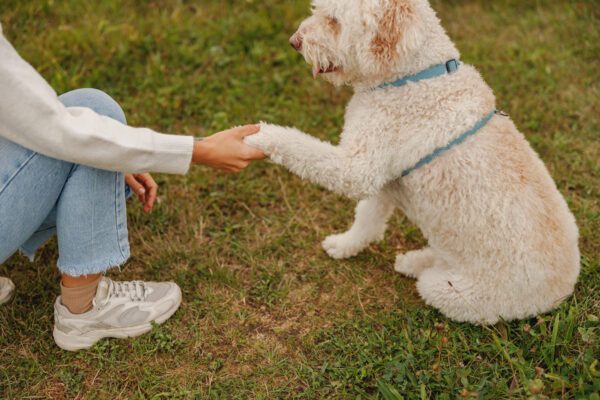
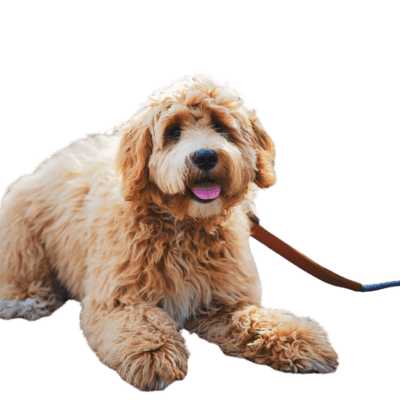
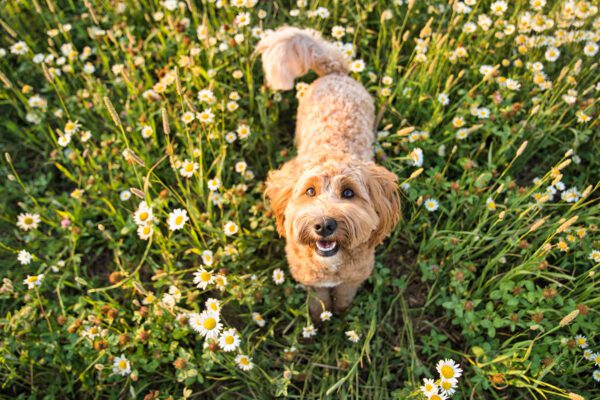
The Australian Labradoodle is friendly, people focused, and highly trainable. Most have a low-shedding coat, which helps many allergy-sensitive households. This breed thrives on human connection, learns quickly, and enjoys play, hiking, and relaxed beach time. An Australian Labradoodle often fits families, active singles, and first-time adopters who value a gentle, eager companion.
Research should come first. Learn the breed’s energy needs, grooming requirements, and social nature before you apply. Adoption gives a dog a second chance, supports local animal welfare efforts, and usually costs less than buying from a breeder. It also helps match you with a dog whose temperament and history align with your lifestyle.
Hawaii offers year-round outdoor living, which suits an Australian Labradoodle that loves activity. The state’s heat and humidity require careful management because a dense, curly coat can trap warmth and mat if not brushed. Early walks, shaded rest, and steady hydration help your dog stay comfortable. Apartment or condo living can work if you commit to daily exercise and mental enrichment. Island life also means being mindful of leash rules, crowded beaches, and rocky or sandy terrain that can irritate paw pads. With preparation and routine grooming, the breed adapts well to Hawaii’s climate and pace.
You can skip searching rescues and shelters one by one by starting with Dog Academy. The listings bring together adoptable dogs so you can filter by location, age, and size in one place. You can also use Dog Academy’s educational guides and adoption checklists to plan your home setup, questions for coordinators, and your first month of care.
Beyond online listings, you can contact local animal shelters, regional rescues, and breed-specific rescue groups. The process usually begins with a detailed application that covers your experience, schedule, housing, and veterinarian or personal references. Many organizations request landlord approval when applicable and may ask for photos of your yard or living area to confirm safety and space. Response times vary, but you can expect an initial reply within 3 to 7 days in most cases.
Next comes a meet-and-greet. This may happen at a shelter, a foster home, or a neutral public space. Coordinators watch how you and the dog interact and answer questions about history, energy level, and any training needs. Some groups complete a home check, which can be virtual or in person. A home check verifies that gates latch securely, balconies are safe, and household members understand feeding routines and exercise plans. Approval often follows within 1 to 3 weeks depending on scheduling and the dog’s readiness.
Transport can be part of the plan in Hawaii. Rescues sometimes arrange transport between islands or from out of state when a dog is located elsewhere. Transport is often arranged by rescues to move dogs between states or islands using flights coordinated with volunteers. Hawaii has strict entry requirements for incoming animals, so coordinators typically confirm vaccinations, microchipping, and timing to meet those rules before booking travel. Clear communication about costs, dates, and pickup ensures a smooth arrival.
|
How Much Does It Cost to Adopt a Australian Labradoodle in Hawaii?In Hawaii, adopting an Australian Labradoodle from a rescue or shelter typically costs $250 to $600. Puppies and high-demand young adults may reach about $700. Fees generally include spaying or neutering, vaccinations, microchipping, and veterinary exams. Costs increase when a dog receives extensive medical care such as dental treatment, diagnostics, or allergy therapy before adoption. Several factors affect the fee. Age influences pricing because puppies require more preventive care and training support. Dogs with professional training often cost more because time and resources went into manners and leash work. Medical care changes the fee when surgeries or ongoing medications are needed. Demand for doodle-type breeds can also raise prices. If transport is required, some organizations add a separate surcharge to cover airfare and a health certificate, which commonly ranges from $150 to $400 in addition to the adoption fee. |
How Should I Train a Australian Labradoodle?The Australian Labradoodle is intelligent, people oriented, and eager to learn. Positive reinforcement builds fast, reliable behaviors because the breed works for praise, play, and food rewards. Short sessions of 5 to 10 minutes keep focus high. Start with name recognition, hand targeting, sit, down, and loose-leash walking. Introduce recall early and practice in safe, fenced areas before trying busier spaces. Common challenges include jumping when greeting, pulling on leash, and vocalizing when bored or left alone. Prevent these issues with structured exercise, daily brain games, and clear rules. Teach a calm sit for greetings, reward loose-leash positions during neighborhood walks, and build independence with gradual alone-time training. Desensitize grooming because the coat needs regular brushing and scheduled trims. Pair handling of paws, ears, and coat brushing with treats so grooming feels routine. For step-by-step support, explore Dog Academy’s online training courses. Courses cover puppy basics, impulse control, leash skills, recall, and enrichment plans that fit Hawaii life. You can follow video lessons at home, track progress, and reinforce good habits from day one. |
|
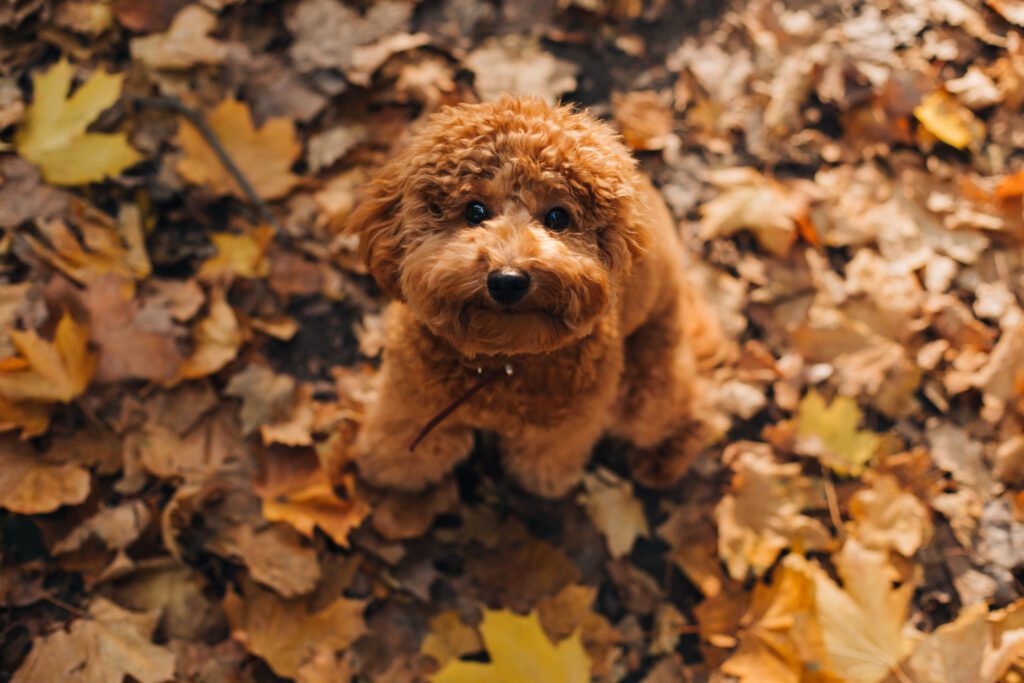
The ideal owner enjoys daily activity, patient training, and regular grooming. A consistent routine with exercise, enrichment, and affection helps an Australian Labradoodle shine. Families, active retirees, and committed first-time adopters often find this breed to be a joyful match.
Take your time, ask thoughtful questions, and prepare your home before you apply. When you match lifestyle, energy, and care expectations, you set up a lasting bond. Start your search with Dog Academy’s listings, learn about the breed’s needs, and move at a pace that feels right for you and your future companion.

Introducing a new puppy to your current dog is often an exciting process, and many dogs will become fast friends and eas...
Read More
Rescue dogs can make great companions and can transform your home into something better. These dogs make great pets and ...
Read More
You should never rush to pet a dog. Even dog owners make the mistake of approaching unfamiliar dogs and petting them rig...
Read More
Puppy mill dogs are survivors who have endured extreme hardships in their lives. They have grown up in horrendous, unsan...
Read More
With their wagging tails and comforting presence, adopting a dog can add a unique touch to your life. It’s a heart...
Read More
Older dogs may have a few gray hairs around the edges, but that doesn’t mean they can’t make wonderful companions! T...
Read More