












































































































































































Introducing a new puppy to your current dog is often an exciting process, and many dogs will become fast friends and eas...
Read MoreAdopt Me

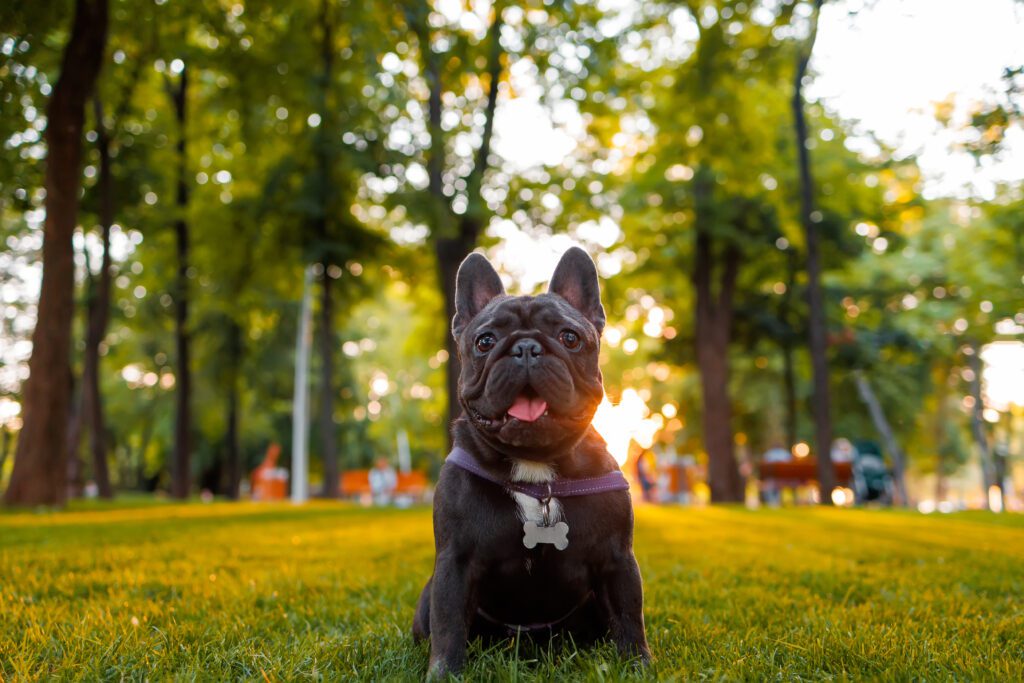


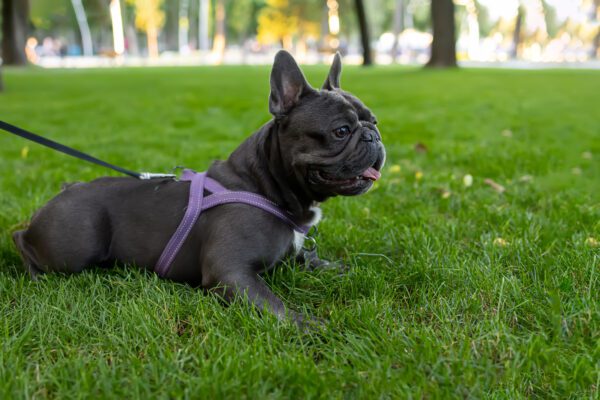
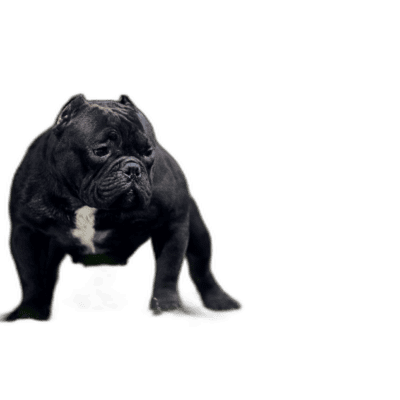
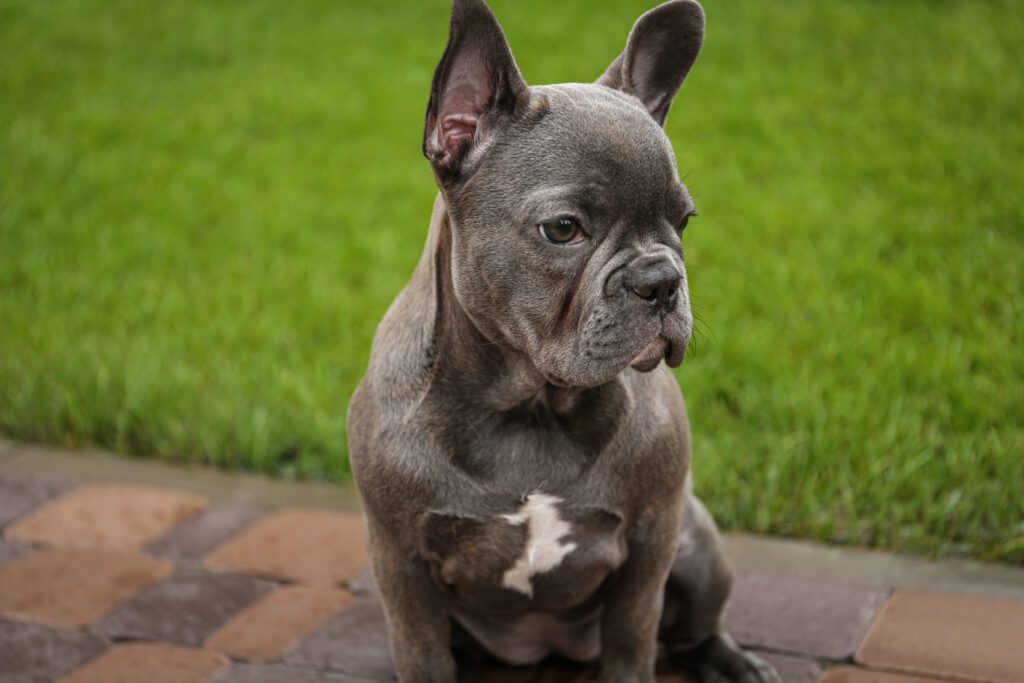
The Blue French Bulldog is a compact companion with a big personality. The breed is affectionate, playful, and calm indoors. A Blue French Bulldog thrives with close human contact and short daily outings. The distinct blue coat adds visual appeal, while the classic Frenchie temperament brings charm to any home.
Research matters before you adopt. A Blue French Bulldog often has sensitive skin and a short muzzle that needs special care. The breed needs climate-aware exercise, consistent training, and a thoughtful routine. Adoption is a powerful choice because it gives a dog a second chance and helps reduce demand for irresponsible breeding. Adoption also provides transparency on temperament and medical history so you can make an informed decision.
Hawaii offers a relaxed lifestyle that suits this low-activity breed. Warm temperatures and high humidity require extra care because the Blue French Bulldog can overheat quickly. Air conditioning, midday shade, and fresh water are essential. Apartment living works well because the breed needs short walks and plenty of indoor time. Island geography means beaches, trails, and social outings are close by, which is ideal for enrichment when planned during the cooler parts of the day. The breed is not a strong swimmer, so shoreline play must stay shallow, and a canine life jacket adds safety when needed.
You can avoid searching rescues and shelters one by one by starting with Dog Academy. You can browse current adoption listings in one place and learn from expert guides and adoption checklists. You can then contact the appropriate local animal shelters, regional rescues, or breed-specific rescue groups with confidence because you already understand the steps and requirements.
To adopt a Blue French Bulldog in Hawaii, you can begin by browsing available dogs. Listings usually describe age, temperament, health status, and the type of home each dog needs. When a dog seems like a match, you can submit an application that includes personal details, living situation, and veterinary references. Landlord approval is often required when you rent. Applications help organizations ensure a safe and lasting placement for the dog and a good fit for the adopter.
After an application review, most organizations schedule a meet-and-greet. A meet-and-greet can take place at a facility, at a foster home, or through a virtual session when travel is difficult. A home check may follow to confirm safe fencing, temperature control, and a calm space for rest. Approval timelines vary by organization, but most adoptions move from application to decision within 7 to 21 days. Timelines can be longer when medical care or behavioral support is still in progress.
Hawaii spans multiple islands, so transport can be part of the process. Transport is often arranged by rescues to move dogs between islands when a good match is found. Some organizations also coordinate mainland-to-island transport with health certificates and safe flight crates when necessary. Clear communication about pickup, flight schedules, and arrival care ensures a smooth transition for the dog.

|
How Much Does It Cost to Adopt a Blue French Bulldog in Hawaii?In Hawaii, the typical adoption fee for a Blue French Bulldog ranges from $500 to $900. Fees trend higher for this breed because demand is strong and veterinary care in the islands can be costly. Younger dogs and dogs with recent training usually fall on the higher end. Senior dogs or dogs with ongoing medical needs may be lower. Fees often include spaying or neutering, vaccinations, microchipping, and veterinary exams. Fees can also reflect dermatology care for sensitive skin, airway evaluations for brachycephalic dogs, and interisland transport costs. Final cost depends on age, training, medical history, and demand. A dog that has completed crate training and basic manners often commands a higher fee because that training reduces transition time. A dog that arrives after specialized surgery may also have a higher fee that helps offset care already provided. |
How Should I Train a Blue French Bulldog?The Blue French Bulldog is intelligent and food motivated, which makes training rewarding. The breed can be stubborn, so sessions must be short, upbeat, and consistent. Positive reinforcement works best. You can mark desired behaviors with a cheerful word and follow with a small treat. Early socialization, gentle leash skills, and reliable recall build confidence and safety on busy island streets and trails. Focus on house training, crate training, and calm greetings. Teach settle for cool indoor downtime and leave it for safe shoreline walks. Because the breed can struggle in heat, you can train a solid water break cue and practice quiet rest after activity. If you want step-by-step help, you can enroll in Dog Academy’s online training courses. Courses provide clear lessons for beginners and advanced students, with solutions for common issues like pulling, barking, or reluctance to potty in wet weather. |
|
The ideal owner offers a cool home environment, gentle routines, and short daily walks. The owner plans activities during cooler hours and budgets for quality veterinary care. The owner also understands that some blue-coated dogs may have skin sensitivity and need regular monitoring and gentle grooming.
Preparation leads to a smooth adoption. You can gather supplies, set up a crate, and review training plans before your dog arrives. You can take your time, ask clear questions, and trust the process. When you adopt a Blue French Bulldog in Hawaii through a thoughtful approach, you give a deserving dog a safe home and you gain a devoted companion for years to come.
Introducing a new puppy to your current dog is often an exciting process, and many dogs will become fast friends and eas...
Read More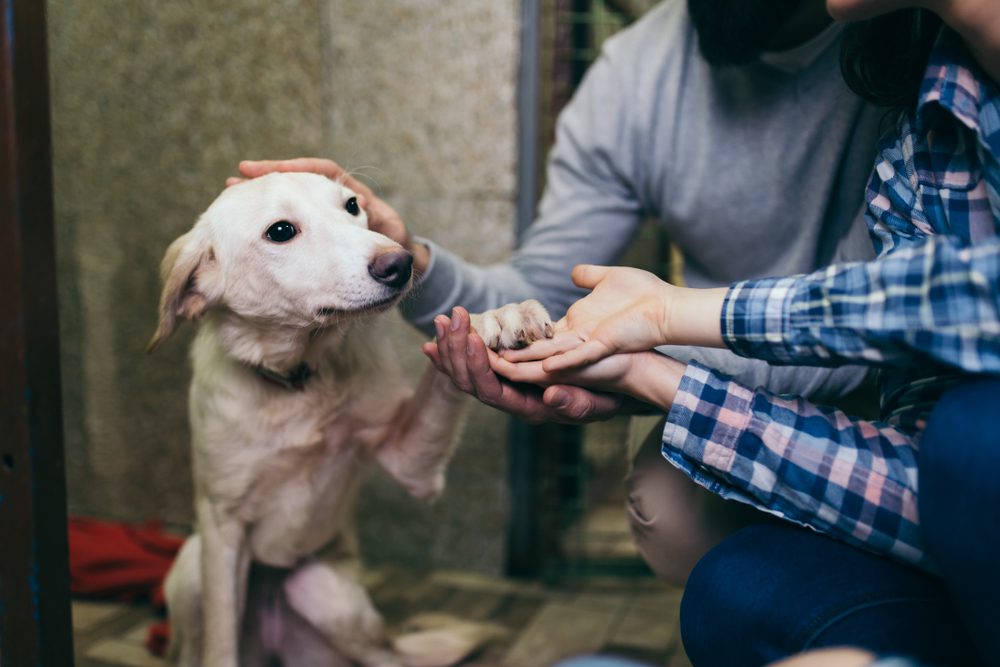
Rescue dogs can make great companions and can transform your home into something better. These dogs make great pets and ...
Read More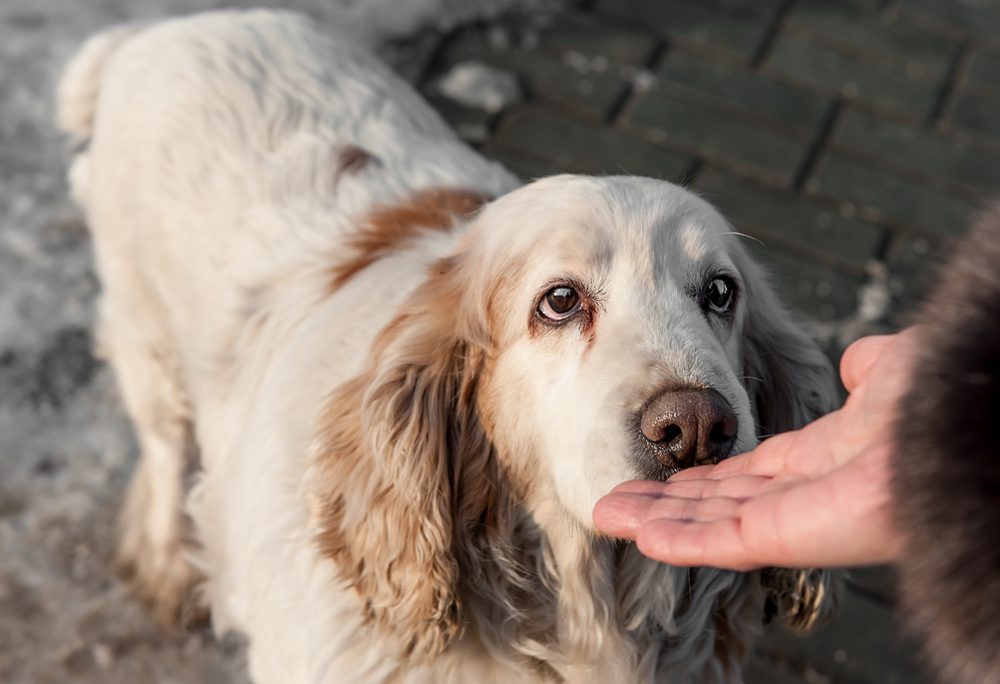
You should never rush to pet a dog. Even dog owners make the mistake of approaching unfamiliar dogs and petting them rig...
Read More
Puppy mill dogs are survivors who have endured extreme hardships in their lives. They have grown up in horrendous, unsan...
Read More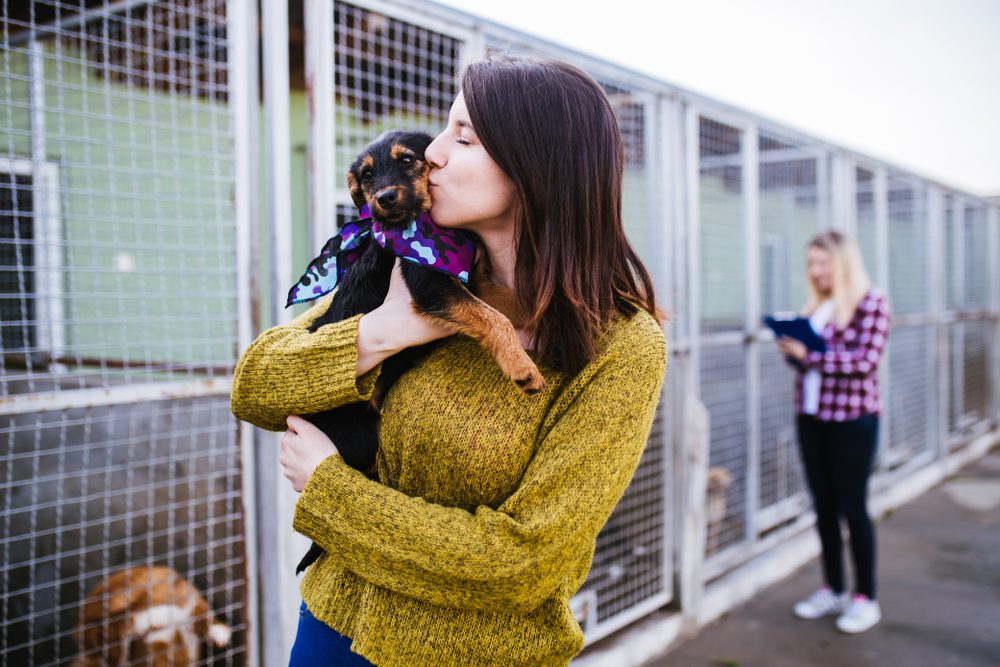
With their wagging tails and comforting presence, adopting a dog can add a unique touch to your life. It’s a heart...
Read More
Older dogs may have a few gray hairs around the edges, but that doesn’t mean they can’t make wonderful companions! T...
Read More