




























































































































































































Introducing a new puppy to your current dog is often an exciting process, and many dogs will become fast friends and eas...
Read MoreAdopt Me

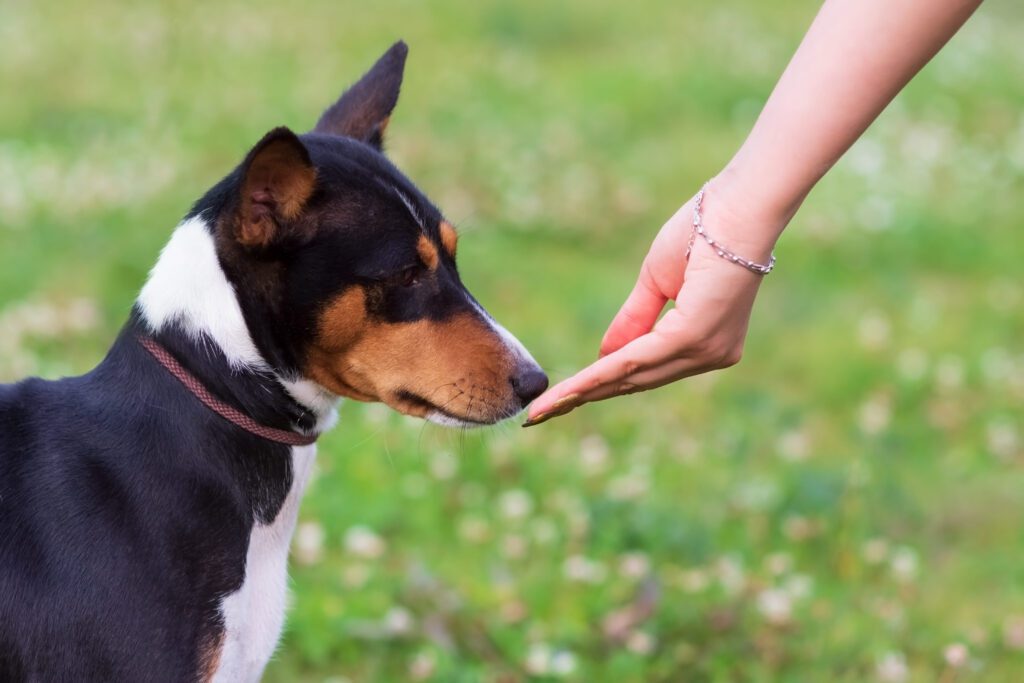
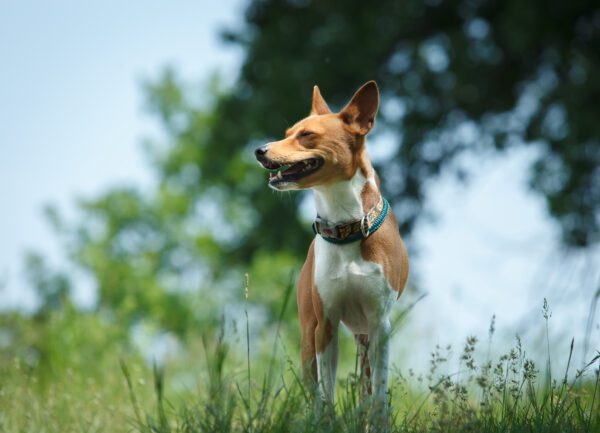
The Basenji is a compact, athletic hound known for keen intelligence, clean habits, and a quiet voice that often sounds like a yodel. This breed bonds closely with family, shows cat-like grooming, and brings lively curiosity to every day. A Basenji suits people who enjoy an active lifestyle and who value a thoughtful, independent dog.
Research matters before any adoption. Understanding Basenji traits, energy needs, and impulse control challenges helps you set realistic expectations and build a plan for success. Adoption is preferable to buying because adoption gives a dog a second chance, provides transparent medical records, and supports responsible animal welfare.
Hawaii can fit a Basenji well because the mild, warm climate suits a short coat, yet careful heat management remains essential. Ample shade, fresh water, and midday rest protect a Basenji from sun and humidity. Island geography encourages leashed hikes and neighborhood walks, which work well because most Basenjis do not have reliable off-leash recall. Apartment living can work when daily exercise, enrichment, and secure fencing for yard time are in place. Adopting within the state also simplifies logistics because Hawaii has specific entry rules for animals that require advance planning.
You can skip searching shelters and rescues one by one by starting with Dog Academy, which collects adoption listings in one place. Dog Academy also provides clear educational guides and adoption checklists so you can compare dogs, plan questions for meet-and-greets, and prepare your home.
You can find adoptable Basenjis or Basenji mixes through local animal shelters, regional rescues, and breed-specific rescue groups. Availability in Hawaii can be limited, so you may also see listings for dogs located on another island or on the mainland. Rescues sometimes arrange transport to move dogs between locations when a strong match exists.
The process usually begins with browsing listings and submitting an application. A complete application often includes identification, proof of housing, landlord approval if you rent, veterinary references, and details about your schedule and fencing. After an application review, many groups schedule a phone interview followed by a meet-and-greet. Meet-and-greets may occur in person or via video when you live on a different island. Home checks are common and may be in person or virtual. Home checks confirm safe fencing, secure gates, and a plan for confinement and decompression.
Approval timelines vary by group and by applicant volume. Straightforward applications often move from submission to approval within 3 to 14 days, while complex cases can take longer. After approval, you sign an adoption contract, pay the fee, and receive medical records. Most groups then update the microchip to your name and provide a short-term support window for questions during the transition.
If transport is needed, rescues often coordinate logistics to move dogs between islands or from the mainland, which may include health certificates, travel crates, and volunteer escorts. Adopters usually cover part or all of the transport cost, and timelines depend on flight availability and weather.
|
How Much Does It Cost to Adopt a Basenji in Hawaii?In Hawaii, adoption fees for a Basenji or a Basenji mix typically range from $250 to $450 through local shelters and from $350 to $650 through breed-focused rescues. Fees trend slightly higher for puppies and for dogs that have received recent training or specialized medical care. Limited statewide availability can also increase demand, which affects pricing. Adoption fees usually include spaying or neutering, vaccinations, microchipping, and veterinary exams. Fees may also include deworming and flea or tick prevention. Additional costs can include interisland or mainland transport at $150 to $350, a travel crate at $50 to $120, a dog license at $20 to $30, and starter supplies at $150 to $300. Age, training, medical history, and local demand create the biggest differences in total cost. |
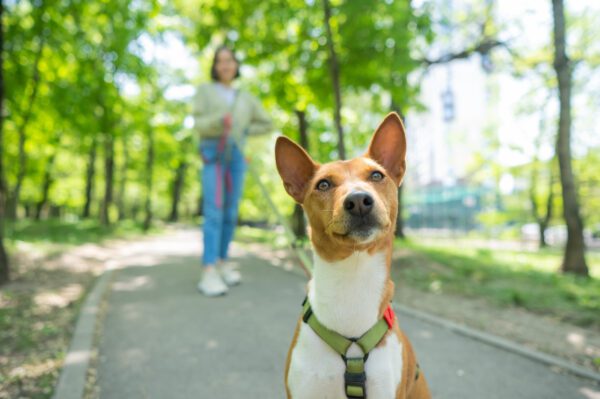
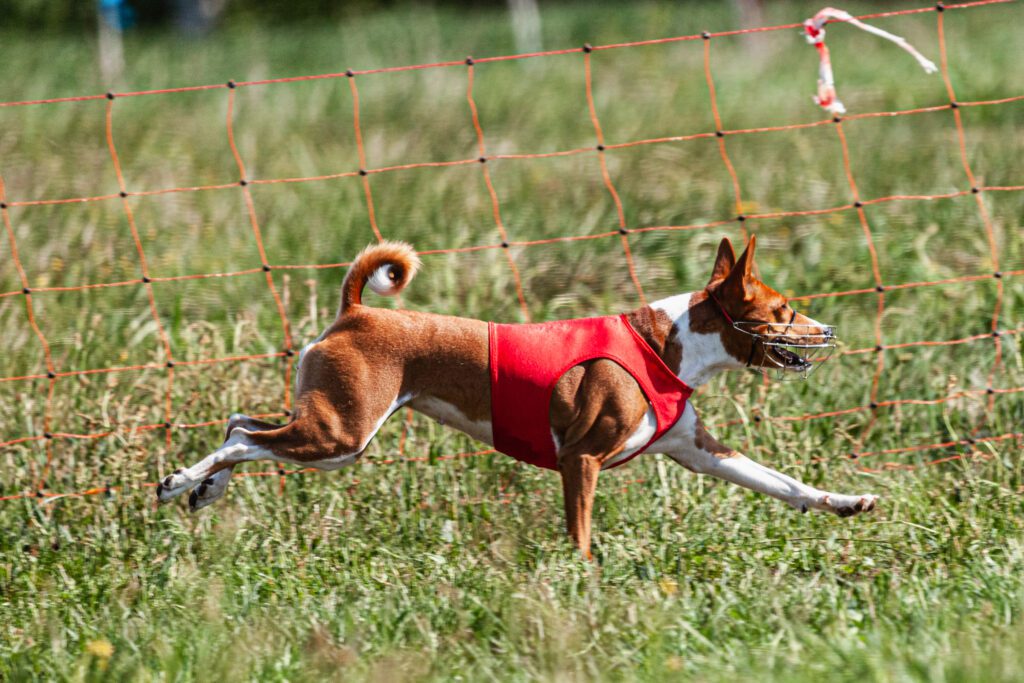
How Should I Train a Basenji?The Basenji is highly intelligent and very independent, which means the breed learns quickly but questions repetition. Short, upbeat sessions with high-value rewards work best. Focus on daily engagement that teaches impulse control, loose-leash walking, and calm settling. Use management tools like baby gates and crates to prevent rehearsing unwanted behavior while training progresses. Recall is challenging for many Basenjis because of strong prey drive. Practice in safe areas with a long line, build value through frequent rewards, and avoid off-leash freedom in unfenced spaces. Mental enrichment is essential, so add food puzzles, scent games, and novelty walks that encourage sniffing. For a structured plan you can follow at home, explore Dog Academy’s online training courses, which teach positive reinforcement, problem prevention, and real-world skills. |
|
The right Basenji adopter enjoys daily activity, values routine, and maintains secure containment. The ideal home provides consistent training, patient guidance, and plenty of enrichment to channel curiosity and energy.
Take time to learn about the breed, prepare your space, and gather supplies before you bring a dog home. Move through the adoption process at a steady pace, ask clear questions, and choose the match that fits your lifestyle. With preparation and patience, you can adopt a Basenji in Hawaii and build a happy partnership that lasts for years.

Introducing a new puppy to your current dog is often an exciting process, and many dogs will become fast friends and eas...
Read More
Rescue dogs can make great companions and can transform your home into something better. These dogs make great pets and ...
Read More
You should never rush to pet a dog. Even dog owners make the mistake of approaching unfamiliar dogs and petting them rig...
Read More
Puppy mill dogs are survivors who have endured extreme hardships in their lives. They have grown up in horrendous, unsan...
Read More
With their wagging tails and comforting presence, adopting a dog can add a unique touch to your life. It’s a heart...
Read More
Older dogs may have a few gray hairs around the edges, but that doesn’t mean they can’t make wonderful companions! T...
Read More