






































































































Introducing a new puppy to your current dog is often an exciting process, and many dogs will become fast friends and eas...
Read More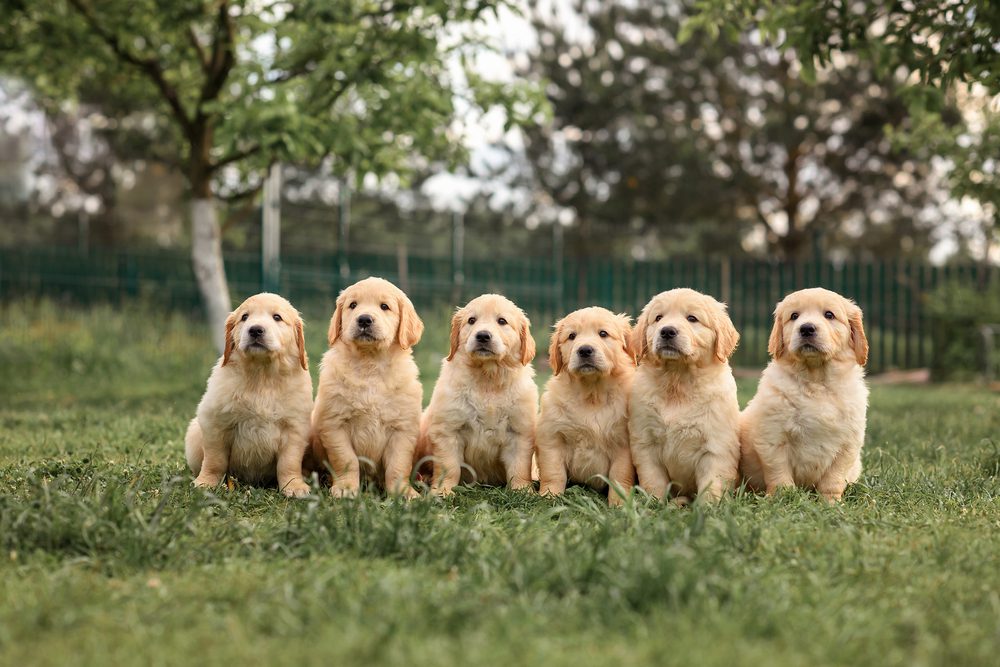
How to Introduce a New Puppy to Your Dog
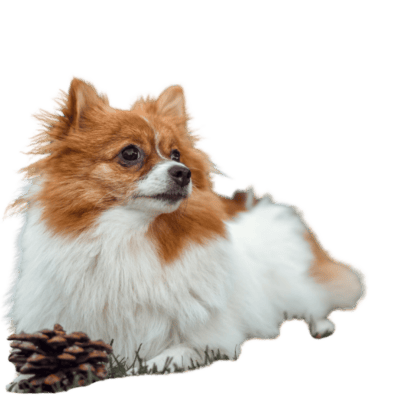
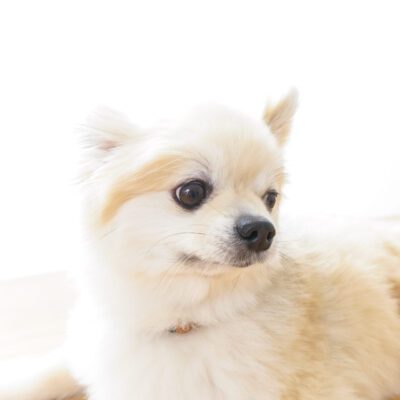
The Papillon is a cheerful, elegant toy breed with bright eyes, a plumed tail, and distinctive butterfly ears. This breed is affectionate, highly intelligent, and eager to learn. A Papillon loves being close to people and thrives on play, training games, and daily companionship. Careful research helps you understand the breed’s energy level, grooming needs, and social nature before you bring one home.
Adoption is a rewarding choice because it gives a dog a second chance while supporting responsible rehoming. Adopting a Papillon can also provide helpful background information, because shelters and rescues often evaluate behavior and health before placement. Maryland offers a good environment for this breed, but owners must plan for the state’s four-season climate. Summers are warm and humid, which means you should walk during cooler hours and offer shade and water. Winters can be cold, especially in western areas, so a sweater or coat helps a small dog stay comfortable. Many Papillons do well in apartments and townhomes across Maryland because they are small, clean, and adaptable, as long as they receive daily exercise and mental enrichment.
You can avoid searching shelters and rescues separately by browsing Dog Academy’s adoption listings, which gather adoptable dogs from multiple sources in one place. Visit Dog Academy to see Papillons and Papillon mixes available near you. You can also use local animal shelters, regional rescues, and breed-specific rescue groups to expand your search. Read each profile closely to understand age, temperament, medical history, and lifestyle requirements.
The adoption process usually starts by browsing listings and submitting an application. Applications ask about your home, schedule, experience, and plans for training and veterinary care. Many organizations request references to confirm that your household can meet a Papillon’s needs. After an application review, a coordinator often arranges a phone interview to discuss your expectations and to answer questions about the dog’s behavior and routines.
Meet-and-greets help you assess fit. You can observe how the Papillon responds to new people, how the dog handles gentle handling, and how the dog moves in unfamiliar spaces. Some groups encourage introductions with resident pets to ensure harmony. Home checks may follow to confirm secure fencing, safe stairs, and an area where the dog can rest without stress. Approval timelines vary, but most processes take 1 to 3 weeks depending on availability, responsiveness, and the number of applicants.
If your ideal dog is outside Maryland, rescues sometimes arrange transport to move dogs between locations. Transport is often managed by trained volunteers or professional drivers who follow set routes and schedules to deliver dogs safely. You will receive instructions about pickup points, identification, and post-transport decompression so the dog can settle calmly at home.
Expect adoption fees in Maryland to average $250 to $500 for most adult Papillons and $350 to $650 for puppies. Fees vary based on age, training, recent medical care, and local demand for small companion breeds. Toy breeds with strong interest can sit at the higher end of the range, while seniors often cost less and may come with extra veterinary records that clarify ongoing needs.
Adoption fees typically include spaying or neutering, vaccinations, microchipping, and veterinary exams. Some groups also provide dental cleanings, heartworm testing, flea and tick prevention, and starter supplies. Additional costs can include at-home setup, such as a crate, bed, harness, winter sweater, and puzzle toys. Training support can affect your budget if you enroll in classes or private coaching.
Papillons are quick learners with a strong desire to interact, which makes them a joy to train. Short, upbeat sessions using treats, toys, and praise create fast progress. Positive reinforcement builds confidence and keeps a sensitive toy breed engaged. Start with name response, hand targeting, sit, down, and recall, then add loose-leash walking and settle on a mat for calm behavior at home and in public.
Common challenges include vocalizing at doorbells, alert barking during neighborhood noises, and slow house training. Barking improves when you teach a quiet cue, provide daily mental enrichment, and reward calm behavior away from windows. House training benefits from frequent, timed outdoor breaks, a consistent feeding schedule, and praise for eliminating outside. Many Papillons dislike cold rain or snow, so a covered potty area or a coat makes outdoor trips more reliable.
Early socialization prevents timidity. Introduce new surfaces, friendly people, calm dogs, and novel environments in short sessions. Always reward curiosity and retreat from overwhelming situations. For structured guidance tailored to small breeds, explore Dog Academy’s online training courses, which provide step-by-step lessons, troubleshooting tips, and enrichment plans you can follow at home.
The ideal Maryland adopter for a Papillon offers daily companionship, gentle handling, and consistent training. A Papillon suits apartments, condos, and single-family homes when exercise, play, and enrichment are part of the routine. Families with children should supervise interactions and teach kids to respect a small dog’s space and body language.
Preparation leads to success. Set up safe spaces, gather essentials, and review training plans before your dog arrives. Take time to meet candidates, ask detailed questions, and choose a dog whose energy and temperament match your lifestyle. When you are ready to adopt a Papillon Dog in Maryland, move at a thoughtful pace and enjoy the process of welcoming a loyal, lively companion into your home.
Introducing a new puppy to your current dog is often an exciting process, and many dogs will become fast friends and eas...
Read More
Rescue dogs can make great companions and can transform your home into something better. These dogs make great pets and ...
Read More
You should never rush to pet a dog. Even dog owners make the mistake of approaching unfamiliar dogs and petting them rig...
Read More
Puppy mill dogs are survivors who have endured extreme hardships in their lives. They have grown up in horrendous, unsan...
Read More
With their wagging tails and comforting presence, adopting a dog can add a unique touch to your life. It’s a heart...
Read More
Older dogs may have a few gray hairs around the edges, but that doesn’t mean they can’t make wonderful companions! T...
Read More