


























































































































































































Introducing a new puppy to your current dog is often an exciting process, and many dogs will become fast friends and eas...
Read MoreAdopt Me

Miss Chestnut
Hillside, IL
Breed: Nova Scotia Duck-Tolling Retriever
Sex: Female
Age: puppy
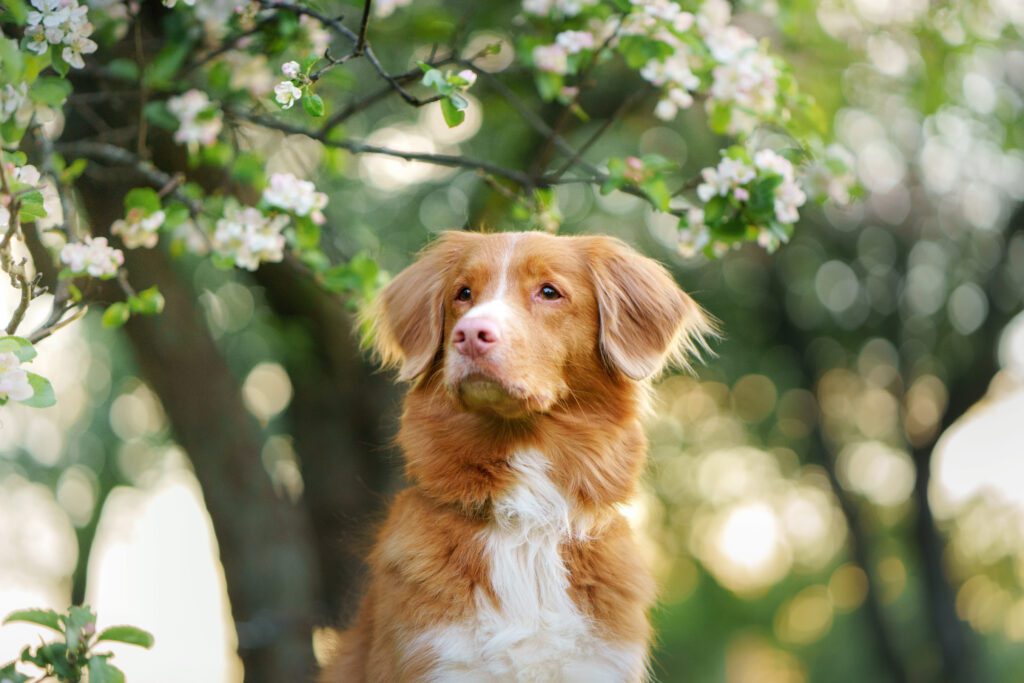


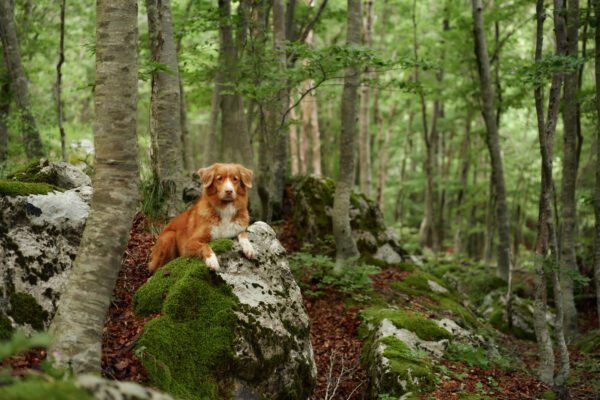
The Nova Scotia Duck Tolling Retriever is a spirited, medium-sized retriever with sharp intelligence, a love of water, and a strong retrieving drive. This breed bonds closely with people and thrives when given a job to do. A Toller enjoys lively training, play sessions, and time with family, which makes the breed a rewarding companion for active households.
Thoughtful research always leads to better matches. Understanding energy level, grooming needs, and daily time commitments helps you choose a dog that fits your lifestyle. Adoption gives a deserving dog a fresh start while supporting community-based animal welfare. Many Tollers and Toller mixes need new homes because their previous families underestimated the breed’s energy and training needs, not because of behavior problems that cannot be managed.
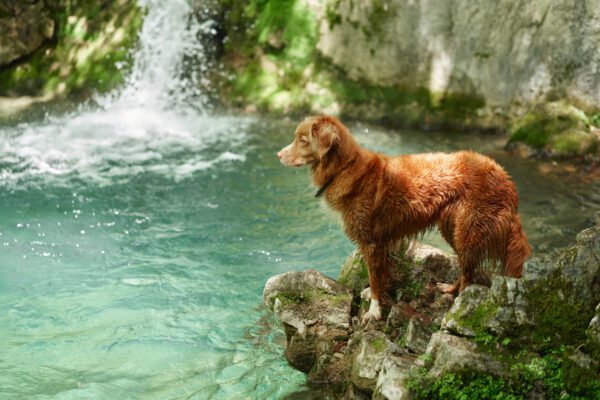
Montana can be an excellent place for a Toller. The state’s cold winters suit the breed’s weather-resistant double coat, and access to rivers and lakes gives this water-loving retriever an outlet for swimming and fetching. Summers can be warm, so shade, fresh water, and shorter midday outings keep a Toller comfortable. Long hikes, brisk walks, and field games fit the Montana lifestyle, though rural properties benefit from secure fencing to keep a driven retriever safely contained.
You can avoid searching shelters and rescues one by one by using Dog Academy. Dog Academy’s adoption listings let you filter by breed and location so you can quickly see available Nova Scotia Duck Tolling Retrievers across Montana and nearby regions. Dog Academy also offers educational guides and adoption checklists that help you prepare with confidence.
Adoptable Tollers may appear through local animal shelters, regional rescues, and breed-specific rescue groups. Start by browsing listings, reading each bio carefully, and noting age, temperament, and activity needs. Look for medical notes, spay or neuter status, and any training history. Ask clear questions about exercise requirements, compatibility with other pets, and ideal home environments so you understand each dog’s needs.
The process usually begins with an application that requests identification, veterinary references, and landlord approval for renters. Many organizations schedule a meet-and-greet to confirm that the dog feels comfortable with your family and any existing pets. Some groups complete a home check in person or by video to ensure safety and suitability. Approval timelines vary, though many adoptions in the region finalize within 1 to 3 weeks. Preparing documents early and having supplies ready often speeds things up.
Adoptable Tollers sometimes live in other parts of the state or in nearby states. Rescues may arrange transport between locations to move dogs safely to approved adopters. Transport is often organized with volunteer drivers or licensed carriers, and it typically includes a current health certificate and vaccination records. Most groups coordinate meeting points at secure locations and charge a modest transport fee to cover fuel and handling.
|
How Much Does It Cost to Adopt a Nova Scotia Duck Tolling Retriever in Montana?In Montana, the typical adoption fee for a Nova Scotia Duck Tolling Retriever or a close mix usually ranges from $350 to $650. Puppies and young adults often fall on the higher end due to demand, while seniors may be lower. Fees reflect the dog’s age, prior training, recent medical care, and the overall demand for this uncommon sporting breed. Many organizations include essential services in the fee, which commonly covers spaying or neutering, vaccinations, microchipping, and veterinary exams. Some groups also provide heartworm testing or deworming, and a portion of the fee helps offset transport or specialized care when needed. |
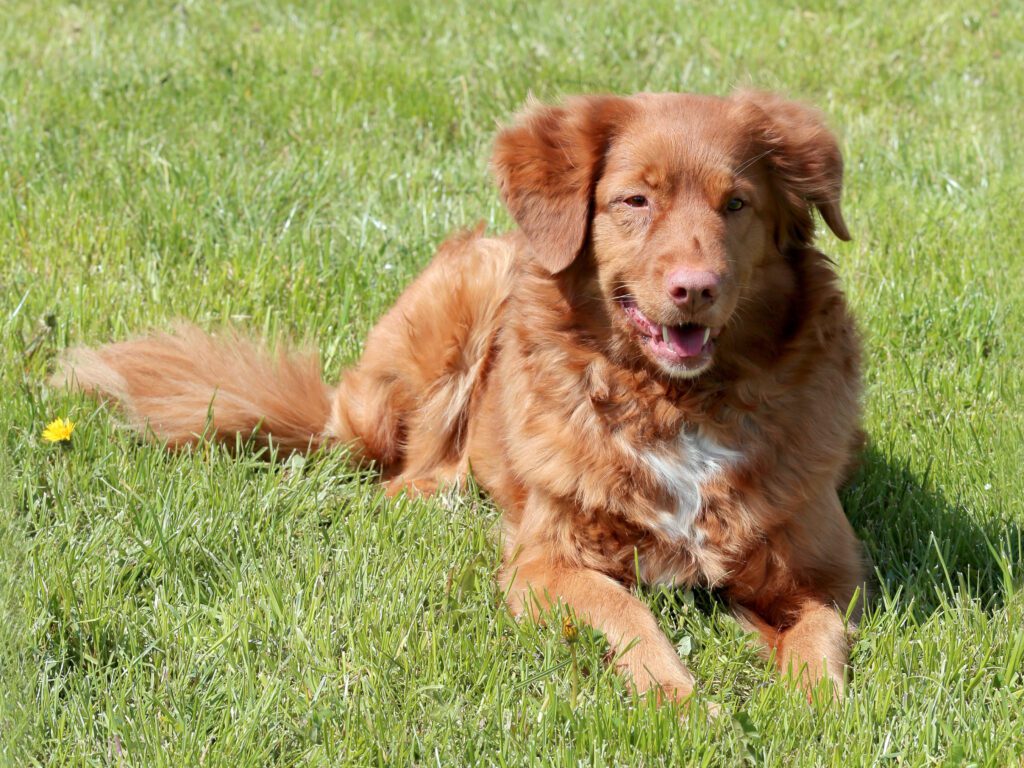
How Should I Train a Nova Scotia Duck Tolling Retriever?The Nova Scotia Duck Tolling Retriever is quick to learn and eager to work with people. Positive reinforcement, clear structure, and short, upbeat sessions bring out the best in this intelligent retriever. Early socialization builds confidence, and daily mental enrichment prevents boredom. Fetch games, scent games, and water retrieves channel natural instincts into healthy routines. Common challenges include mouthiness, jumping, and strong chase instincts. Consistent impulse control, a rock-solid recall, and calm settle training help this energetic breed make good choices. Teach polite greetings, loose-leash walking, and drop-it for safe retrieving. Rotate puzzle feeders and training games to keep a sharp mind engaged and satisfied. You can build skills step by step with Dog Academy’s online training courses. These self-paced lessons offer practical, reward-based plans for puppy foundations, reliable recall, loose-leash walking, and advanced obedience. Clear progressions, real-life practice tips, and flexible schedules make it easier to train well, even if you live far from in-person classes. |
|
The ideal adopter enjoys daily activity, structured training, and time outdoors. A great match is someone who likes hiking, running, or focused training sessions and wants a devoted, playful companion. A Toller needs regular exercise, consistent boundaries, and routine grooming to manage a shedding double coat.
Preparation sets you up for success. Research the breed, gather supplies, plan a safe introduction to your home, and choose a veterinarian before the first day. Take your time, ask clear questions, and make a thoughtful decision. When you are ready to adopt a Nova Scotia Duck Tolling Retriever in Montana, use Dog Academy’s adoption tools and guidance to find the right match and start strong from day one.

Introducing a new puppy to your current dog is often an exciting process, and many dogs will become fast friends and eas...
Read More
Rescue dogs can make great companions and can transform your home into something better. These dogs make great pets and ...
Read More
You should never rush to pet a dog. Even dog owners make the mistake of approaching unfamiliar dogs and petting them rig...
Read More
Puppy mill dogs are survivors who have endured extreme hardships in their lives. They have grown up in horrendous, unsan...
Read More
With their wagging tails and comforting presence, adopting a dog can add a unique touch to your life. It’s a heart...
Read More
Older dogs may have a few gray hairs around the edges, but that doesn’t mean they can’t make wonderful companions! T...
Read More