




























































































































































































Introducing a new puppy to your current dog is often an exciting process, and many dogs will become fast friends and eas...
Read MoreAdopt Me

Miss Chestnut
Hillside, IL
Breed: Nova Scotia Duck-Tolling Retriever
Sex: Female
Age: puppy




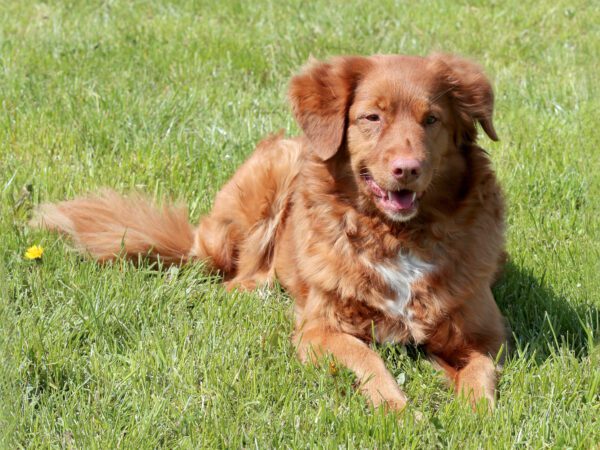
The Nova Scotia Duck Tolling Retriever is an athletic, bright, and affectionate companion that loves water, games, and teamwork with people. This breed pairs a playful spirit with serious working ability, which makes it a joy for active households that want a dog that learns quickly and loves to train. Careful research helps you choose a dog whose energy level, grooming needs, and temperament align with your routine and goals.
Adoption gives a deserving dog a second chance while offering you support, transparency, and included veterinary care that usually makes adoption more affordable than buying. It also reduces pressure on breeding and helps local communities care for animals responsibly. Understanding the breed’s needs before you adopt ensures a successful match for both you and the dog.
Hawaii offers year-round outdoor time that suits a water-loving retriever, with beaches and trails that provide excellent outlets for exercise. The warm and humid climate can challenge a double-coated Toller, so you must plan early walks, provide shade and fresh water, and choose swim sessions over midday runs. Lava rock, hot sand, and rugged trails require paw protection and smart route choices. Island living can include condo rules and small yards, which can still work when you commit to daily training, mental enrichment, and regular outings. Frequent swimming calls for routine ear care to prevent irritation in humid conditions.
You can avoid searching for rescues and shelters separately by starting with Dog Academy. Browse current adoption listings in one place, use educational guides to learn about the breed, and follow clear checklists that help you prepare your home and application. Centralized listings save time and help you compare dogs across islands and regions.
Adoptable Tollers may appear at local animal shelters, regional rescues, and breed-specific rescue groups that focus on retrievers. Because Tollers are rare, you may need to widen your search to multiple islands or to mainland partners. Rescues sometimes arrange transport between locations, which means they coordinate flights, secure health certificates, and organize safe handoffs so the dog can travel to you when direct adoption is not possible.
Before you apply, make sure this breed fits your lifestyle. Tollers need daily exercise, regular training, and mental games that channel their retrieving drive. Their medium-length double coat needs routine brushing and careful drying after swims. Check housing rules, plan for travel between islands if needed, and budget for routine care in a warm climate.
The process usually starts with browsing listings, then submitting an application that includes references and proof of landlord approval when you rent. Many groups schedule a phone interview to learn about your experience and schedule. Meet-and-greets can happen in person or through a structured virtual session when distance is involved. A home check may be virtual or in person to confirm that spaces are safe and secure. Final approval timelines vary from a few days to a few weeks based on demand, the dog’s medical schedule, and the organization’s process. Once approved, you will complete the adoption contract and schedule pick-up or supervised transport.
|
How Much Does It Cost to Adopt a Nova Scotia Duck Tolling Retriever in Hawaii?Most adopters in Hawaii can expect an adoption fee of about $300 to $550 for a Nova Scotia Duck Tolling Retriever. Younger dogs and clearly purebred dogs often land near the top of that range. Rarity, recent medical care, and training support can also nudge fees upward. If a dog is transferred from the mainland, rescues may ask adopters to cover additional transport expenses, which typically include airfare and a health certificate, and those costs are separate from the adoption fee. Adoption fees help cover spaying or neutering, vaccinations, microchipping, and veterinary exams. Fees may also reflect heartworm testing, parasite prevention, dental care, and the cost of foster supplies. Age, prior training, medical needs, and local demand all influence the final amount you pay. |
How Should I Train a Nova Scotia Duck Tolling Retriever?Tollers are quick learners that love problem solving and thrive on positive reinforcement. Short, energetic sessions with clear rewards keep them focused and eager. Build strong foundations in recall, loose-leash walking, impulse control, and a reliable settle routine. Retrieve games, scent work, and water work are excellent outlets that satisfy natural instincts while building manners. Common challenges include high arousal during fetch, sensitivity to harsh corrections, and vocal frustration when under-exercised. Consistent rewards, clear criteria, and smart breaks reduce overexcitement. Early socialization, cooperative care for grooming, and calm exposure to beaches, boats, and wildlife help prevent reactivity and chasing. A thoughtful plan for off-leash reliability protects birds and small animals and keeps your Toller safe near water. For step-by-step guidance that fits island schedules, explore Dog Academy’s online training courses. You can follow structured lessons on basic obedience, recall, leash skills, cooperative care, tricks, and fitness routines that keep this athletic breed engaged and well mannered. |

|
The ideal adopter enjoys daily activity, values training, and wants a partner for beach walks, hikes, and interactive games. A good match includes steady routines, time for enrichment, and a plan for grooming and ear care after swims. A secure yard helps, though committed apartment dwellers can succeed with consistent outings and training.
Preparation sets you up for success. Gather supplies, review your schedule, and confirm your budget before you apply. Take your time, ask thoughtful questions, and meet more than one dog if needed. When you are ready, use Dog Academy’s adoption tools and training resources to adopt a Nova Scotia Duck Tolling Retriever in Hawaii with confidence and care.

Introducing a new puppy to your current dog is often an exciting process, and many dogs will become fast friends and eas...
Read More
Rescue dogs can make great companions and can transform your home into something better. These dogs make great pets and ...
Read More
You should never rush to pet a dog. Even dog owners make the mistake of approaching unfamiliar dogs and petting them rig...
Read More
Puppy mill dogs are survivors who have endured extreme hardships in their lives. They have grown up in horrendous, unsan...
Read More
With their wagging tails and comforting presence, adopting a dog can add a unique touch to your life. It’s a heart...
Read More
Older dogs may have a few gray hairs around the edges, but that doesn’t mean they can’t make wonderful companions! T...
Read More