








































































































































Introducing a new puppy to your current dog is often an exciting process, and many dogs will become fast friends and eas...
Read MoreAdopt Me

Miss Chestnut
Hillside, IL
Breed: Nova Scotia Duck-Tolling Retriever
Sex: Female
Age: puppy




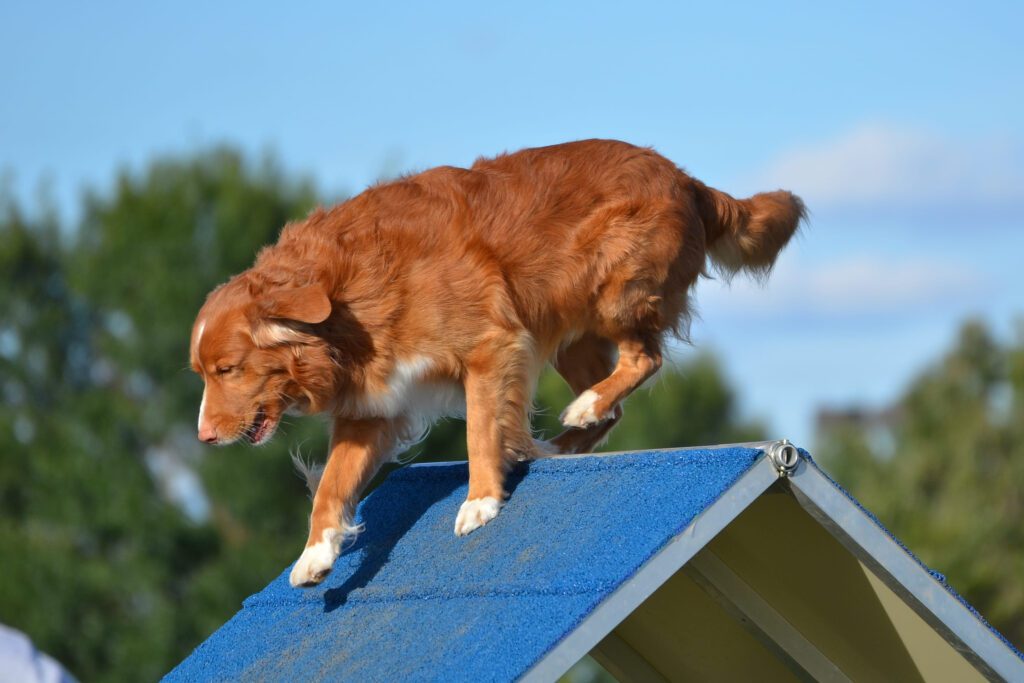
The Nova Scotia Duck Tolling Retriever is a bright, athletic, and affectionate companion. This compact retriever loves water, thrives on training, and bonds closely with an engaged family. The breed brings playful energy, keen problem-solving, and strong retrieving drive, which suits active households that enjoy outdoor time and structured activities.
Research matters before you adopt a Nova Scotia Duck Tolling Retriever in Idaho. Understanding daily exercise needs, coat care, training time, and energy levels helps you choose a dog that matches your lifestyle. Adoption offers you a chance to give a deserving dog a home while gaining support from professionals who evaluate behavior and health.
Idaho’s climate and geography fit this breed when owners plan well. Tollers handle cold weather with a dense double coat, yet they still need protection from prolonged exposure and ice. Summers can be hot and dry, which calls for shade, water, and cooler activity windows. Lakes, rivers, and mountain trails create ideal outlets for swimming and hiking, while urban living can work when owners commit to daily exercise, mental enrichment, and safe access to green spaces.
You can skip searching rescues and shelters one by one by starting with Dog Academy. Dog Academy curates adoption listings so you can browse verified dogs in one place, learn what to expect, and use practical guides and checklists to prepare your home and family. A single hub saves time and helps you compare options with clarity.
Idaho adopters can find Tollers through local animal shelters, regional rescues, and breed-specific rescue groups. Availability changes quickly, so consistent browsing and quick, complete applications improve your chances. Some groups also network across nearby states, so you may see dogs posted in neighboring regions with travel options explained in the listing.
The typical process begins with browsing listings, reading behavior notes, and confirming a good match for exercise level, temperament, and household needs. The next step is an application that asks for information about your home, schedule, dog experience, and landlord approval when you rent. Many groups request personal or veterinary references. Strong answers that show realistic expectations and a safe plan for training and care help reviewers understand your commitment.
After an initial review, many organizations arrange a meet-and-greet to confirm compatibility with all family members and resident pets. A home check often follows to ensure secure fencing, safe storage of chemicals, and an appropriate setup for rest and recovery. Home checks can be in person or virtual depending on location and volunteer availability. Approval timelines vary, yet many adoptions move from application to decision within 3 to 14 days when paperwork is complete and scheduling is smooth. When dogs are posted outside your area, rescues may arrange transport to move dogs between locations while prioritizing comfort and safety.

|
How Much Does It Cost to Adopt a Nova Scotia Duck Tolling Retriever in Idaho?In Idaho, a realistic adoption fee for a Nova Scotia Duck Tolling Retriever usually falls between $300 and $600. Puppies and young adults often sit at the higher end because demand is strong, while seniors may be lower. Fees reflect the cost of care in your area and the breed’s popularity among active adopters. Adoption fees typically include spaying or neutering, vaccinations, microchipping, and veterinary exams. Costs can rise when dogs receive dental cleanings, specialty diagnostics, or training support. Age, medical history, and documented training influence the final fee, and well-socialized dogs with recent preventive care often carry slightly higher adoption costs due to the value of that preparation. |
How Should I Train a Nova Scotia Duck Tolling Retriever?The Nova Scotia Duck Tolling Retriever is highly intelligent and eager to work, which makes positive reinforcement a powerful approach. Reward-based methods with food, toys, and play channel the breed’s natural retrieving instincts into reliable skills. Short, upbeat sessions keep focus high and help this sensitive breed stay engaged. Common challenges include high energy, vocal excitement, and creative problem-solving that can turn into counter surfing or door dashing. Consistent routines, daily aerobic exercise, and structured brain games reduce frustration and build calm behavior. Teach impulse control with cues like sit, down, stay, and place, then proof those skills around water, wildlife, and busy trails. If you want step-by-step help, explore Dog Academy’s online training courses for foundation manners, recall training, loose-leash walking, and enrichment plans built for active retrievers. |
|
The ideal Idaho adopter enjoys outdoor activity, values daily training time, and can provide safe access to water or high-quality exercise. A Toller thrives with owners who like hiking, swimming, and games that tap retrieving drive. Families with patient structure, gentle handling, and clear routines usually see the best results.
Preparation sets you up for success. Budget for adoption fees, quality food, veterinary care, grooming tools, and training support. Create a plan for cold-weather protection and hot-weather hydration. Set up a crate, a secure yard or tie-out system, and enrichment toys before your dog arrives. Take your time, research carefully, and use Dog Academy resources to adopt a Nova Scotia Duck Tolling Retriever in Idaho with confidence and care.

Introducing a new puppy to your current dog is often an exciting process, and many dogs will become fast friends and eas...
Read More
Rescue dogs can make great companions and can transform your home into something better. These dogs make great pets and ...
Read More
You should never rush to pet a dog. Even dog owners make the mistake of approaching unfamiliar dogs and petting them rig...
Read More
Puppy mill dogs are survivors who have endured extreme hardships in their lives. They have grown up in horrendous, unsan...
Read More
With their wagging tails and comforting presence, adopting a dog can add a unique touch to your life. It’s a heart...
Read More
Older dogs may have a few gray hairs around the edges, but that doesn’t mean they can’t make wonderful companions! T...
Read More