


























































































































































































Introducing a new puppy to your current dog is often an exciting process, and many dogs will become fast friends and eas...
Read MoreAdopt Me

Miss Chestnut
Hillside, IL
Breed: Nova Scotia Duck-Tolling Retriever
Sex: Female
Age: puppy
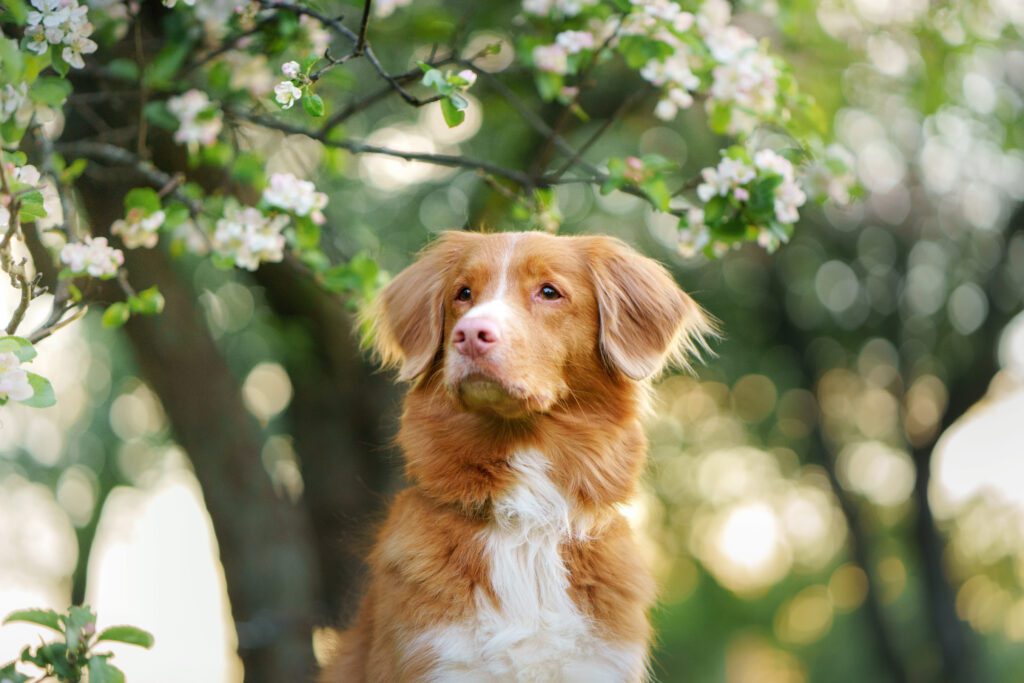


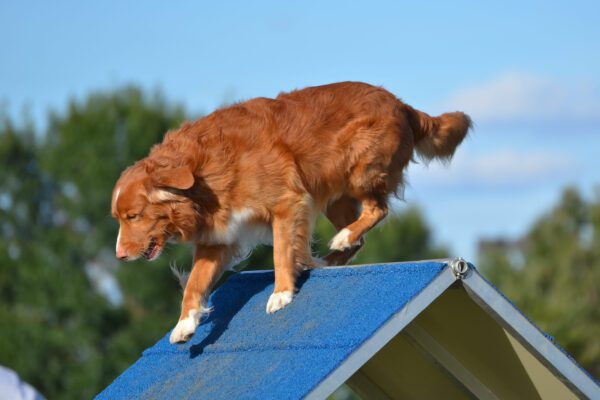
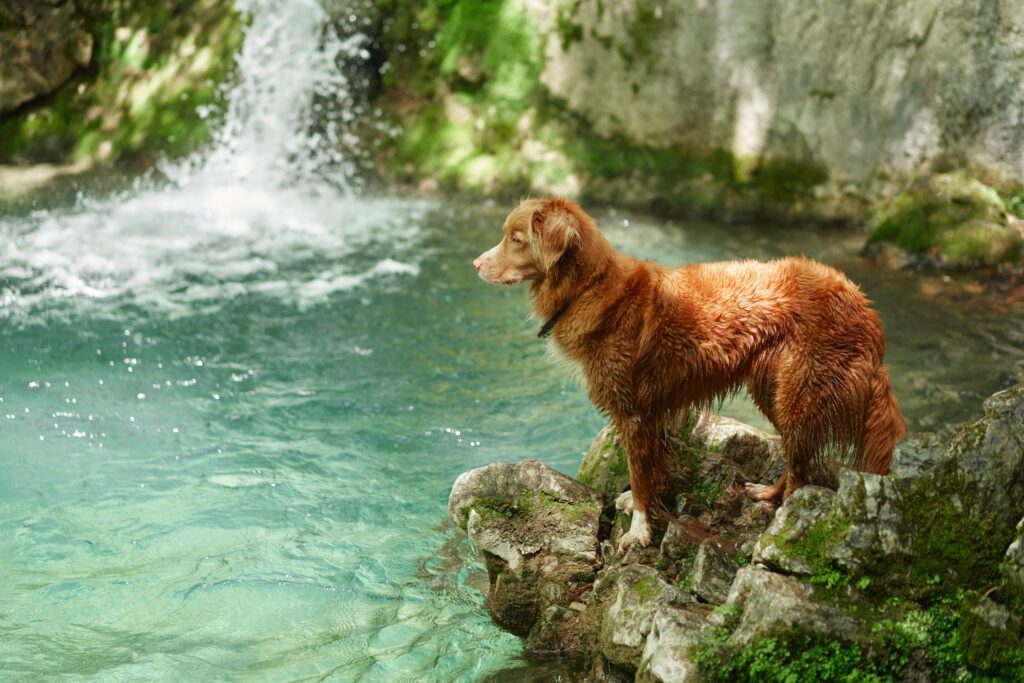
The Nova Scotia Duck Tolling Retriever is lively, clever, and affectionate. This medium athlete loves water, adores retrieve games, and bonds closely with people. A Toller thrives when work, play, and cuddles all have a place in daily life.
Research matters before you adopt. Understanding exercise needs, grooming, and temperament helps you choose a dog that fits your household. Adoption is a kind choice because it opens space for another dog in need, and it often provides helpful background from fosters that makes matching smoother.
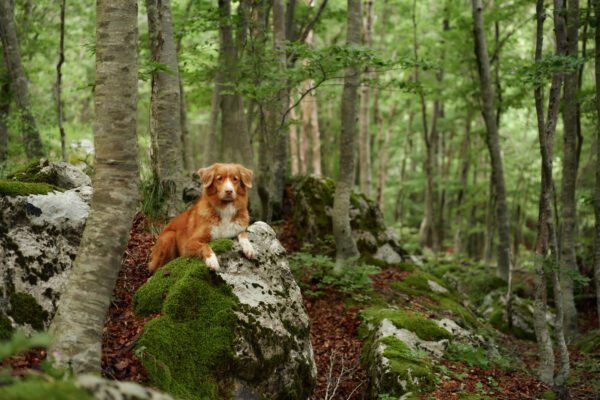
Colorado can be a great match for an active Toller. The state’s trails, lakes, and open spaces create outlets for fetch, hiking, and swim sessions. The double coat handles snow and cold, yet the dry air and strong sun at altitude mean you must protect paws, watch hydration, and plan summer exercise for mornings and evenings. City living in Colorado works well when you provide daily activity and clear structure.
You can skip hunting through separate shelter and rescue websites by using Dog Academy’s adoption listings. Visit Dog Academy to browse available dogs, read detailed profiles, and follow step-by-step checklists that explain paperwork, preparation, and first-week plans. You can also learn from educational guides that cover home setup, travel, and the first vet visit.
In Colorado, adoptable Tollers appear through local animal shelters, regional rescues, breed-specific rescue groups, and foster-based networks. Start by browsing listings, filtering for size, age, and temperament notes. Read each bio carefully, since many Tollers are energetic, people-oriented, and happiest with daily jobs like fetch, scent games, or hiking. Confirm that the dog’s exercise level and social history fit your routine, your home, and your experience with active breeds.
Most groups use a straightforward process. You submit an application with references, proof of housing, and details about your schedule and other pets. Coordinators review applications and schedule a meet-and-greet, often at a shelter, a foster home, or a neutral park. Some groups complete a home check, which may be in person or virtual, to confirm safety, fencing, and space for rest and recovery. Approval timelines usually run 1–3 weeks, though medical needs or travel plans can add a few days. Holds and deposits are common once you are approved and matched.
Transport can expand your options when a suitable Toller lives outside your area. Rescues sometimes arrange transport to move dogs between locations, which can involve volunteer drivers, professional ground transport, or flight escorts. Transport typically requires a veterinarian-issued health certificate and a crate, and it may add a separate fee to cover mileage or airfare. Coordinators explain schedules, pickup points, and what the dog needs during the trip so you can prepare.
Before finalizing adoption, discuss the breed’s needs with the coordinator. Ask about energy level, reactivity to wildlife, comfort with children, compatibility with other pets, and tolerance for apartment life. Plan for at least 60–90 minutes of daily physical activity plus brain work through training games and puzzle feeders. A Toller’s weather-resistant coat benefits from weekly brushing and extra attention during seasonal shedding.
|
How Much Does It Cost to Adopt a Nova Scotia Duck Tolling Retriever in Colorado?Most adopters in Colorado pay about $300–$550 for an adult Nova Scotia Duck Tolling Retriever and about $400–$650 for a puppy. Fees vary with age, training, medical care, and demand for this rarer sporting breed. Seniors or dogs with special needs may cost slightly less, while dogs that arrive already trained or recently vetted may fall at the higher end. Many fees include spaying or neutering, vaccinations, microchipping, and veterinary exams. Additional costs can include a health certificate for transport and a separate transport fee if the dog travels from another region. Rescues set fees to cover prior care and time in foster. Prices can increase when a dog needs dental work, orthopedic treatment, or extended rehabilitation. Prices can also increase when demand is high. Clarify exactly what the fee includes and request copies of medical records so you can plan your first Colorado vet visit with confidence. |
How Should I Train a Nova Scotia Duck Tolling Retriever?The Toller is bright, eager, and quick to learn. This breed loves retrieving, problem-solving, and teamwork with people. Positive reinforcement builds trust in this sensitive dog and keeps training joyful. Reward with food, toys, and play so the dog stays engaged and confident. Common challenges include high arousal around wildlife, mouthiness during play, alert barking, and pulling when excited. Focus early on impulse control, recall, loose-leash walking, retrieve on cue, and a reliable drop. Short sessions work best, since Tollers learn fast and can get frustrated by long drills. Daily enrichment through scent games, hide-and-seek retrieves, and water play channels energy in healthy ways. You can follow structured lessons through Dog Academy’s online training courses. These step-by-step classes show you how to teach foundation skills, socialization, polite greetings, and calm settling at home. Courses also guide you through problem-solving plans that reduce barking, prevent jumping, and build recall that holds up on Colorado trails. |
|
The ideal Toller adopter enjoys daily activity, consistent training, and time outdoors. Families who hike, run, or play fetch will meet this breed’s needs. Apartment dwellers can succeed when they commit to structured exercise, mental work, and a steady routine.
Preparation sets you up for success. Gather supplies, schedule your first vet visit, and plan a quiet decompression week at home. Take time to research, ask questions, and move at a pace that feels right for you and the dog. When you are ready, explore listings and resources through Dog Academy so you can adopt a Nova Scotia Duck Tolling Retriever in Colorado with clarity and confidence.

Introducing a new puppy to your current dog is often an exciting process, and many dogs will become fast friends and eas...
Read More
Rescue dogs can make great companions and can transform your home into something better. These dogs make great pets and ...
Read More
You should never rush to pet a dog. Even dog owners make the mistake of approaching unfamiliar dogs and petting them rig...
Read More
Puppy mill dogs are survivors who have endured extreme hardships in their lives. They have grown up in horrendous, unsan...
Read More
With their wagging tails and comforting presence, adopting a dog can add a unique touch to your life. It’s a heart...
Read More
Older dogs may have a few gray hairs around the edges, but that doesn’t mean they can’t make wonderful companions! T...
Read More