
























































































































































































Introducing a new puppy to your current dog is often an exciting process, and many dogs will become fast friends and eas...
Read More
How to Introduce a New Puppy to Your Dog


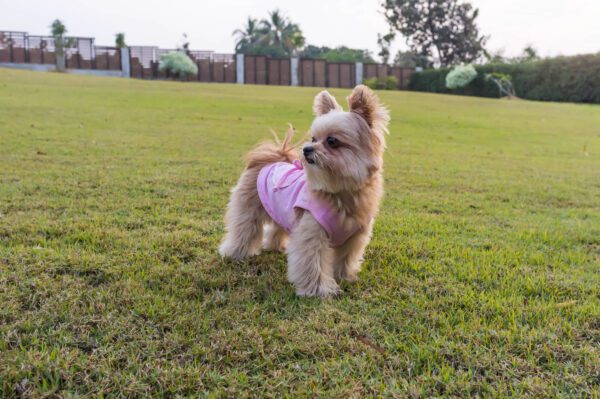
The Chorkie blends the spunk of a Chihuahua with the charm of a Yorkshire Terrier. This small companion is affectionate, alert, and playful. Many Chorkies bond closely with their people and enjoy lap time, short play sessions, and daily walks. Their compact size suits apartments and townhomes, and their big-dog confidence brings plenty of personality to any household.
Research matters before you adopt a Chorkie in Colorado. The state’s dry air, high altitude, and cold winters can challenge a small dog with a thin coat. A warm sweater, short outdoor breaks during freezing weather, and paw protection help a Chorkie stay comfortable. Summer sun at elevation can be strong, so shade, water, and measured activity keep outings safe. City living often fits this breed, while long mountain hikes call for careful pacing and close supervision.
Adoption gives a dog a second chance and supports humane, responsible placement. Many adopted Chorkies come with medical records and clear behavioral notes from caregivers, which helps you match needs to your lifestyle. Adoption also offers strong value because core veterinary care is often included, which protects your budget while you welcome a new family member.
You can skip searching rescues and shelters one by one by using Dog Academy. Dog Academy brings together current adoption listings from trusted sources so you can compare options in one place. You can also use Dog Academy’s educational guides and adoption checklists to prepare your home, budget, and schedule before you submit an application.
You can also look at local animal shelters, regional rescues, and breed-specific rescue groups that focus on small dogs. Start by browsing listings and reading each profile for age, size, energy level, medical notes, and known behavior with children, cats, and other dogs. A good match begins with an honest assessment of your schedule, activity level, and housing rules, including pet policies for rentals and homeowners associations.
The next step is an application. Most groups request information about your household, work hours, fencing, and veterinary history. Some groups conduct a virtual or in-person home check to confirm safety, which often includes a review of gates, stairs, and small-dog hazards. Approval timelines vary with volume and staffing. Shelters often approve within 1 to 7 days, and foster-based rescues often approve within 3 to 14 days.
After approval, you schedule meet-and-greets. These meetings may happen at a shelter, at a foster home, or at a public location. Bring all household members and any resident dogs so you can test compatibility. Ask about handling tolerance, barking triggers, house training status, and any training cues the dog already knows. If the match feels right, you complete the adoption agreement and pay the fee, then you take your new dog home with clear aftercare instructions.
If your ideal Chorkie is outside your city, many rescues arrange transport to Colorado. Transport is often arranged by rescues to move dogs between states using volunteer drivers or licensed couriers who move dogs in secure crates. Transport can add a fee to cover fuel, supplies, and health certificates from a veterinarian when interstate travel is required. Clear communication about timing, pickup points, and required paperwork keeps the process smooth.
|
How Much Does It Cost to Adopt a Chorkie in Colorado?Most adopters in Colorado pay $250 to $450 to adopt a Chorkie through a shelter or rescue. Puppies and highly in-demand small adults can reach $400 to $550 when recent medical care and training support are included. Fees reflect care that is already completed, which often includes spaying or neutering, vaccinations, microchipping, and veterinary exams. Age, training, medical care, and demand influence the final fee. Young puppies and dogs with recent dental cleanings or specialized care often cost more. Adult dogs with basic training, house training, and good social skills may also cost more because demand is strong. Location within Colorado can affect pricing due to local veterinary costs and the availability of foster space. |
How Should I Train a Chorkie?Chorkies are bright, curious, and people focused, which makes training rewarding when you keep sessions short and upbeat. Use positive reinforcement with tiny treats, gentle praise, and consistent cues. Reward quiet behavior, calm greetings, and relaxed leash walking. This approach builds trust and keeps a sensitive small dog confident and engaged. Common challenges include frequent barking, pushy greetings, and slow house training in cold weather. Teach a quiet cue by rewarding silence after a light trigger, and reinforce a go-to-mat cue to channel energy. For house training in Colorado winters, use a strict schedule, quick outdoor breaks, and a warm sweater. Indoor potty options like a litter box or turf pad can help during extreme cold while you maintain routine and supervision. Early socialization reduces reactivity. Introduce new people, calm dogs, and everyday sounds at a pace your dog can handle. Crate training supports safety during travel and rest. If you want step-by-step help, explore Dog Academy’s online training courses, which cover small-dog manners, barking reduction, house training, and confidence building with simple, structured lessons. |
|
The ideal adopter enjoys a close companion, keeps a reliable routine, and can provide gentle structure each day. Chorkies fit well in apartments and houses when exercise, mental games, and training are part of daily life. Families with older children, retirees, and work-from-home professionals often find this breed’s loyalty and humor a perfect match.
Prepare before you adopt a Chorkie in Colorado. Gather a properly fitted harness, a secure leash, identification tags, a crate, food and water bowls, warm layers for winter, and interactive toys. Schedule a wellness exam with a veterinarian during the first week. Take your time, ask detailed questions, and choose the dog whose needs align with your lifestyle, then enjoy a happy start that sets you both up for success.
Introducing a new puppy to your current dog is often an exciting process, and many dogs will become fast friends and eas...
Read More
Rescue dogs can make great companions and can transform your home into something better. These dogs make great pets and ...
Read More
You should never rush to pet a dog. Even dog owners make the mistake of approaching unfamiliar dogs and petting them rig...
Read More
Puppy mill dogs are survivors who have endured extreme hardships in their lives. They have grown up in horrendous, unsan...
Read More
With their wagging tails and comforting presence, adopting a dog can add a unique touch to your life. It’s a heart...
Read More
Older dogs may have a few gray hairs around the edges, but that doesn’t mean they can’t make wonderful companions! T...
Read More