
























































































































































































Introducing a new puppy to your current dog is often an exciting process, and many dogs will become fast friends and eas...
Read MoreAdopt Me
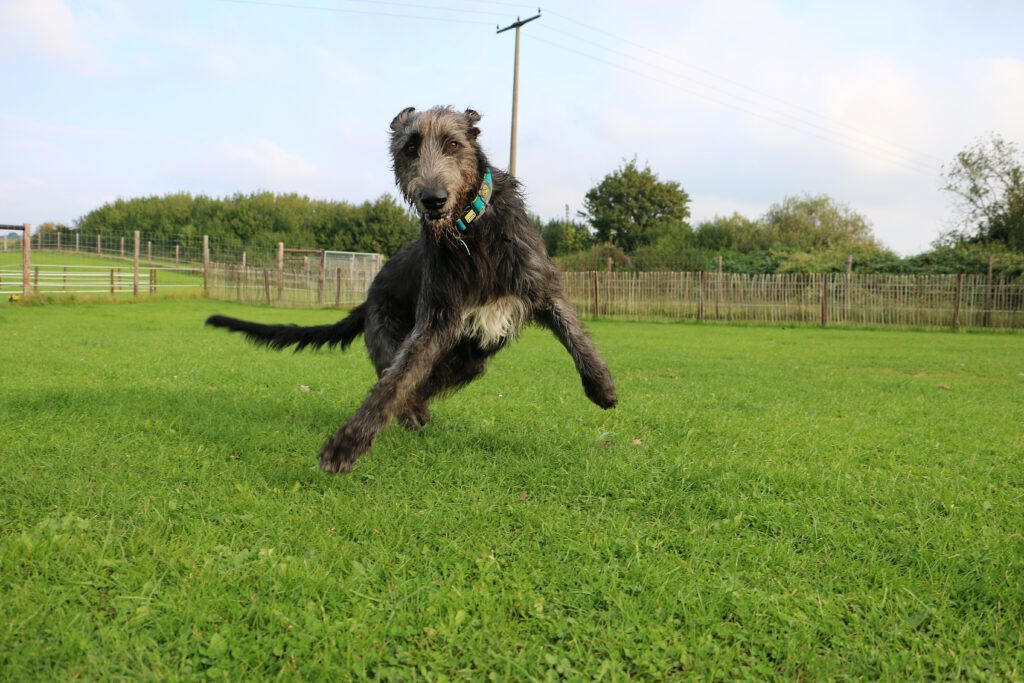
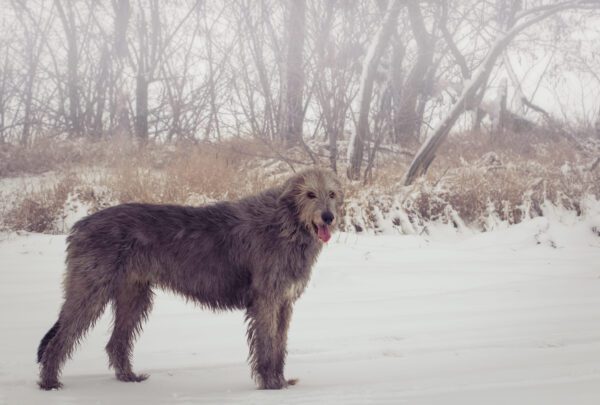
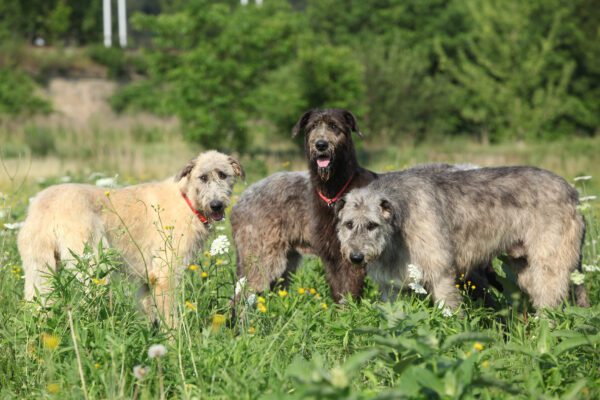
The Irish Wolfhound is a gentle giant with a calm spirit and a loyal heart. This breed forms deep bonds, relaxes quietly at home, and enjoys unhurried time with family. An Irish Wolfhound is a sighthound, which means a strong chase instinct and a love of open views. Careful research helps you understand the daily needs of a dog this large and sensitive.
Adoption gives a deserving dog a new start and often provides valuable support after you bring your dog home. Adopting instead of buying also reduces pressure on commercial breeding and helps dogs already waiting in shelters and rescues. You still get a wonderful companion while gaining guidance that helps your dog settle in.
Montana’s wide spaces and laid-back pace suit an Irish Wolfhound that needs room to stretch out and a calm home routine. The cool climate favors this breed, especially during long winters, although extreme cold and wind require limited outdoor time and a warm indoor space. Rural distances can be long in Montana, so plan for reliable transportation and a veterinarian comfortable with giant breeds. A secure fence and leashed walks protect a sighthound around wildlife and open terrain.
You can avoid searching through rescues and shelters one by one by starting with Dog Academy. You can browse current adoption listings, filter by breed and location, and use helpful adoption checklists. You also gain access to educational guides that explain each step, which keeps the process simple and stress free.
In Montana, adoptable Irish Wolfhounds and Irish Wolfhound mixes appear through local animal shelters, regional rescues, breed-specific rescue groups, and foster-based networks. Availability can change quickly. Check listings often, read each profile closely, and confirm whether the dog is a purebred or a mix, since size and exercise needs can vary.
The process starts with browsing listings and submitting an application. Applications usually ask about your schedule, home setup, fencing, experience with large dogs, and plans for training and veterinary care. You may complete a phone interview, provide references, and show landlord approval if you rent. Many groups arrange a meet-and-greet with family members and resident pets to confirm a good match.
Home checks are common for giant breeds. A home check can be virtual or in person, and it confirms safe fencing, a suitable sleeping area, and clear walkways for a very large dog. Approval timelines vary based on volunteer availability and the number of applicants. Most adopters in Montana can expect about 1 to 4 weeks between application and placement. Some groups offer trial periods or foster-to-adopt to ensure the fit is right for everyone.
If a dog is located far from your town, transport can help. Transport is often arranged by rescues to move dogs between locations, and it may involve volunteer drivers or a professional service. Transport policies, routes, and fees differ, so ask for details before you commit.
|
How Much Does It Cost to Adopt a Irish Wolfhound in Montana?Most adopters in Montana pay about $300 to $650 to adopt an adult Irish Wolfhound or Irish Wolfhound mix. Puppies are less common and usually cost more due to higher demand and additional care, often about $600 to $900. Fees reflect included services such as spaying or neutering, vaccinations, microchipping, and veterinary exams. Fees can also include deworming, heartworm testing, and a behavioral assessment. Costs vary based on age, training history, medical care, and local demand for the breed. Seniors and special-needs dogs often cost less, while well-socialized puppies usually cost more. Giant-breed veterinary care is more expensive than average, which can increase adoption fees when organizations provide extensive medical work before placement. |
How Should I Train a Irish Wolfhound?The Irish Wolfhound is intelligent, sensitive, and eager to cooperate when training feels calm and kind. Short sessions, clear cues, and steady rewards work best. Use positive reinforcement with food, toys, and praise, and keep lessons simple. This approach builds confidence and protects a gentle nature. Common challenges include loose-leash walking and recall. A sighthound reacts fast to motion, so practice leash skills in quiet spaces before moving to busier trails. Teach a strong recall with a long line, generous rewards, and gradual distractions. Focus on impulse control, polite greetings, settling on a mat, and relaxing alone to prevent separation issues. Protect growing joints by avoiding high-impact exercise during adolescence and by keeping training low impact. If you want step-by-step support, explore Dog Academy’s online training courses. You can follow proven lessons for leash manners, recall, crate training, and calm behavior at home. You can train at your pace and give your Irish Wolfhound a consistent routine. |
|
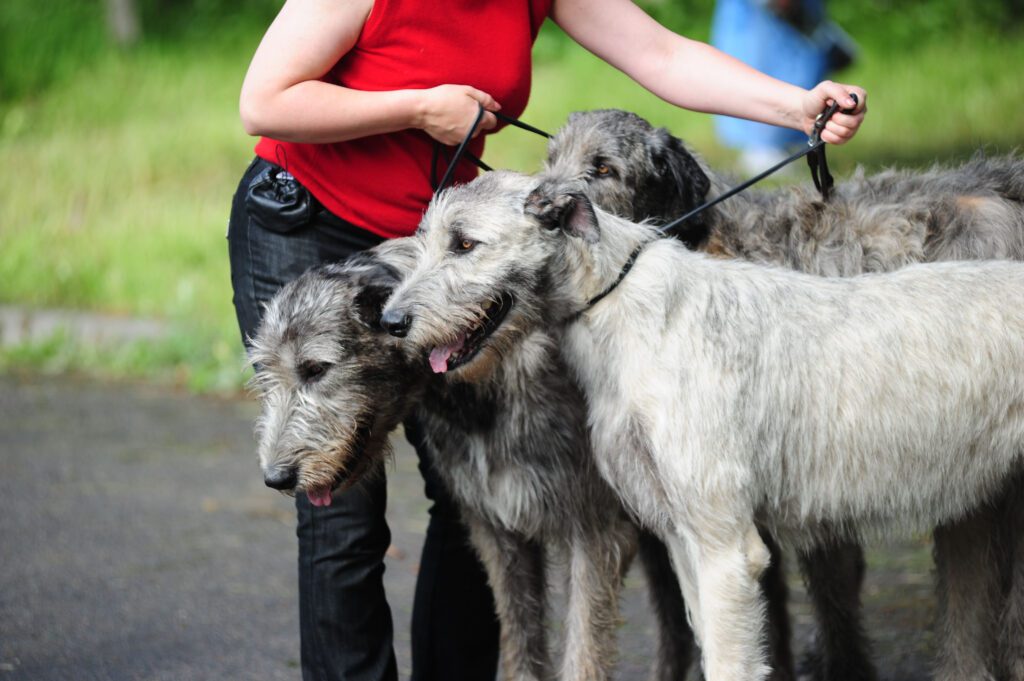
The ideal owner for this breed enjoys a peaceful home, steady routines, and daily walks. A secure yard, a reliable vehicle for vet visits, and a budget for giant-breed care help set you up for success. Patience matters, because a sensitive dog thrives on gentle guidance and clear expectations.
Take your time, ask questions, and prepare your home before you bring your dog back. Research food, beds, and travel space sized for a very large dog, and line up a knowledgeable veterinarian. When you are ready to adopt a Irish Wolfhound in Montana, your preparation will make the transition smooth and your new companion comfortable from day one.

Introducing a new puppy to your current dog is often an exciting process, and many dogs will become fast friends and eas...
Read More
Rescue dogs can make great companions and can transform your home into something better. These dogs make great pets and ...
Read More
You should never rush to pet a dog. Even dog owners make the mistake of approaching unfamiliar dogs and petting them rig...
Read More
Puppy mill dogs are survivors who have endured extreme hardships in their lives. They have grown up in horrendous, unsan...
Read More
With their wagging tails and comforting presence, adopting a dog can add a unique touch to your life. It’s a heart...
Read More
Older dogs may have a few gray hairs around the edges, but that doesn’t mean they can’t make wonderful companions! T...
Read More