


























































































































































































Introducing a new puppy to your current dog is often an exciting process, and many dogs will become fast friends and eas...
Read MoreAdopt Me
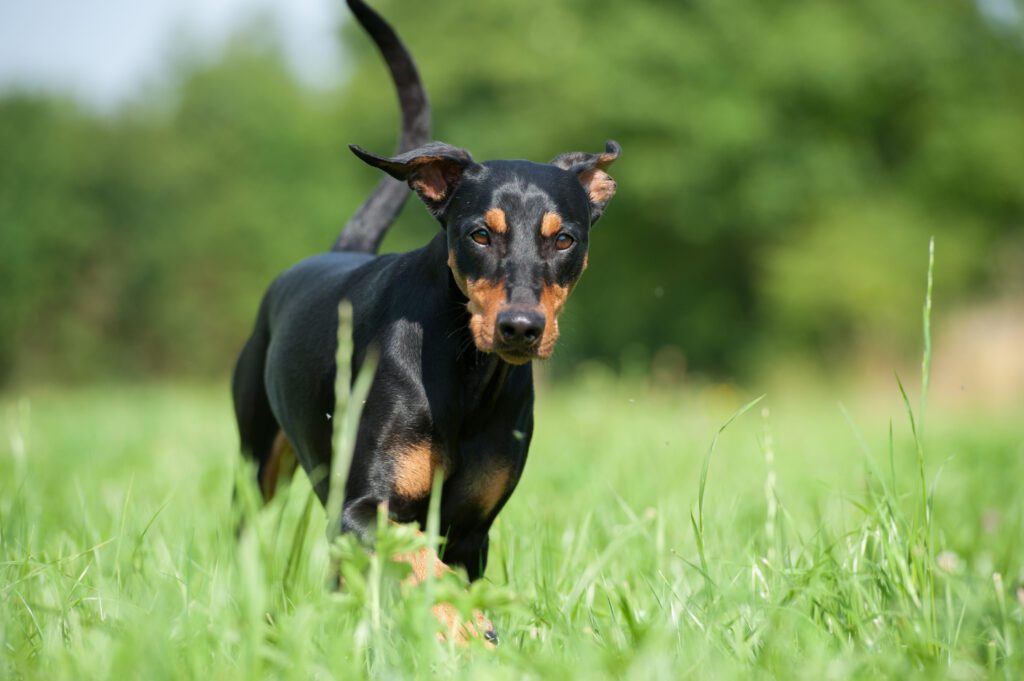
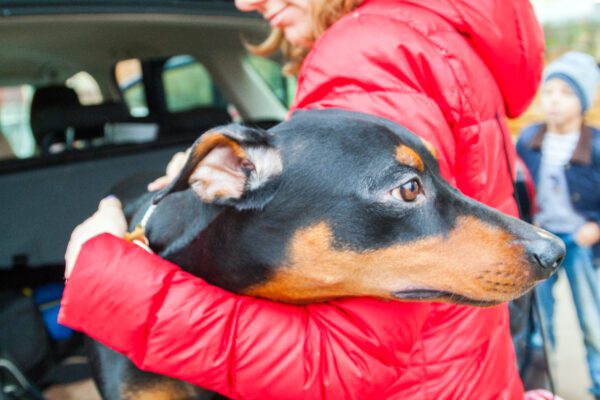
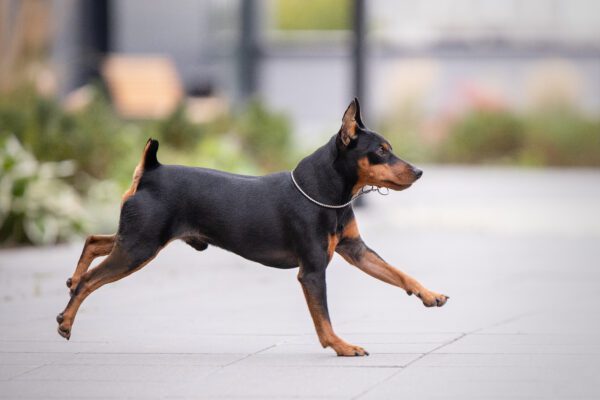
The German Pinscher is an energetic, confident, and affectionate companion that bonds closely with its family. This medium-sized athlete loves purposeful activity and thrives on daily challenges. The breed’s keen intelligence and alert nature make it an engaging partner for active owners who enjoy training, hiking, and structured play.
Successful adoption starts with research. Understanding the breed’s exercise needs, prey drive, and strong will helps you set clear expectations before you bring a dog home. Adopting instead of buying supports dogs already waiting for families and helps responsible groups place well-matched companions. Adoption also gives you access to transparent histories and post-adoption support that can set you and your dog up for success.
Montana offers wide-open spaces, mountain trails, and a lifestyle that suits a driven working breed. The short coat of a German Pinscher makes winter cold a factor, so plan for warm dog gear and shorter outdoor sessions when temperatures drop. Summers can be hot and dry, which means you must manage hydration and midday heat. Whether you live in a city apartment in Montana or on rural acreage, this breed does well when it receives daily exercise, mental stimulation, and clear structure.
You can skip searching shelters and rescues separately by browsing adoptable dogs through Dog Academy. The platform brings listings together and makes it easy to filter for location, age, and traits. You can also use Dog Academy resources for educational guides and adoption checklists that help you prepare your home and plan your first weeks.
Beyond centralized listings, you can look at local animal shelters, regional rescues, and breed-specific rescue groups that serve Montana and nearby states. Some groups focus on working breeds and may receive German Pinschers or close mixes. If a suitable match is not in your immediate area, rescues sometimes arrange transport to move dogs between locations. Transport is often arranged by rescues to move dogs between states using vetted volunteers or paid carriers who coordinate safe, humane travel.
The process usually begins with browsing listings and reading each dog’s profile in full. Profiles often describe temperament, energy level, and any management needs. Next you complete an application that asks about your schedule, home setup, and training experience. Many groups require landlord approval when you rent, personal references, and proof of vaccination for current pets.
After a preliminary review, you may be invited to a meet-and-greet. This step lets you see how the dog responds to you, your family, and your resident pets in a neutral setting. A home check may follow. Home checks can be virtual or in person and confirm safety measures like secure fencing and proper containment plans. Approval timelines vary, though many placements in Montana finish within 1 to 3 weeks. Puppies or highly popular dogs may require additional screening or a longer wait. Clear communication and prompt responses can help you move forward quickly and responsibly.
|
How Much Does It Cost to Adopt a German Pinscher in Montana?Most Montana rescues and shelters place German Pinschers for about $250 to $450. The exact fee depends on age, training, medical care, and regional demand. Puppies and young adults often sit at the higher end because they have higher demand and require more veterinary care before placement. Seniors or dogs with special needs may be closer to the lower end and may include extra support or training plans. Adoption fees usually cover spaying or neutering, vaccinations, microchipping, and veterinary exams. Fees can also reflect recent procedures like dental cleanings, treatment for infections, or behavior assessments. When you evaluate cost, consider any included training support and the quality of medical records because both can reduce your expenses during the first months at home. |
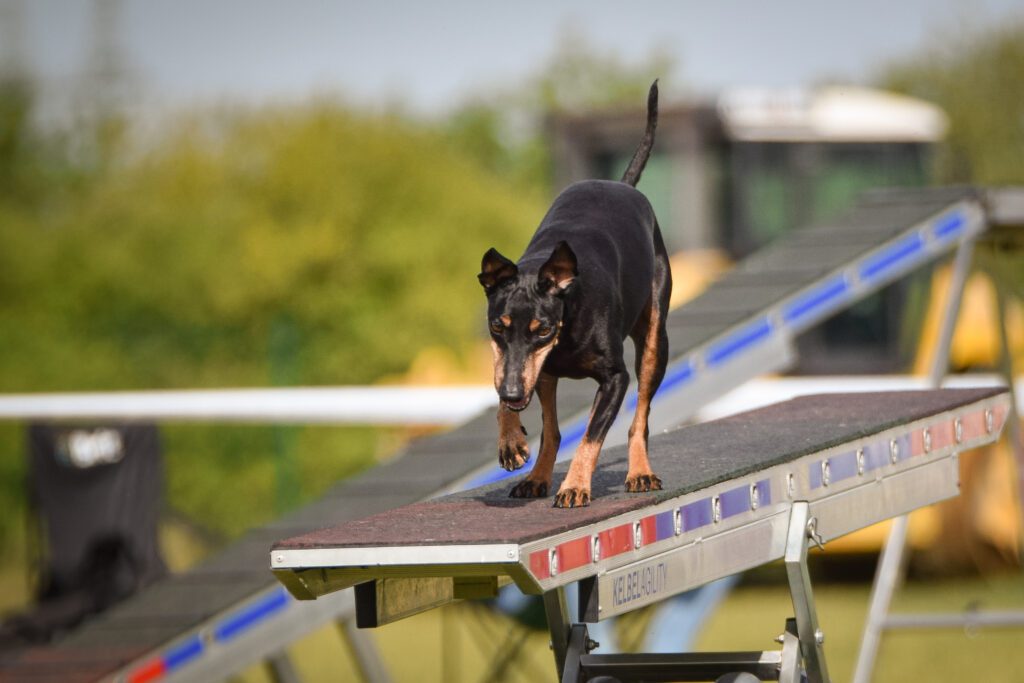
How Should I Train a German Pinscher?German Pinschers are bright, athletic, and highly observant. They learn quickly and enjoy tasks that make them think. Their confidence can read as stubbornness if training is inconsistent. Use short sessions, clear cues, and high-value rewards to keep focus high. Positive reinforcement builds trust and encourages the dog to offer calm, controlled behaviors in stimulating environments. Early socialization and impulse control are essential because this breed has a strong prey drive and a sharp watchdog instinct. Teach reliable recall, loose-leash walking, and settle on a mat. Rotate puzzle feeders and scent games to satisfy mental needs. If you want guided support, explore Dog Academy’s online training courses that cover essential manners, impulse control, and advanced skills for active breeds. Structured learning at home helps channel energy and reduces frustration for both you and your dog. |
|
The ideal owner for a German Pinscher enjoys daily exercise, clear routine, and ongoing training. A fenced yard is helpful, though not required when you commit to focused walks, enrichment, and structured play. Families that value engagement and consistency will see this breed’s athleticism and loyalty shine.
Take your time, prepare your home, and learn about the breed before you apply. When you are ready to adopt a German Pinscher in Montana, use Dog Academy listings to compare candidates and gather the information you need to make a confident choice. Thoughtful preparation today builds a strong bond and a happy life together tomorrow.

Introducing a new puppy to your current dog is often an exciting process, and many dogs will become fast friends and eas...
Read More
Rescue dogs can make great companions and can transform your home into something better. These dogs make great pets and ...
Read More
You should never rush to pet a dog. Even dog owners make the mistake of approaching unfamiliar dogs and petting them rig...
Read More
Puppy mill dogs are survivors who have endured extreme hardships in their lives. They have grown up in horrendous, unsan...
Read More
With their wagging tails and comforting presence, adopting a dog can add a unique touch to your life. It’s a heart...
Read More
Older dogs may have a few gray hairs around the edges, but that doesn’t mean they can’t make wonderful companions! T...
Read More