



























































































































































































Introducing a new puppy to your current dog is often an exciting process, and many dogs will become fast friends and eas...
Read MoreAdopt Me
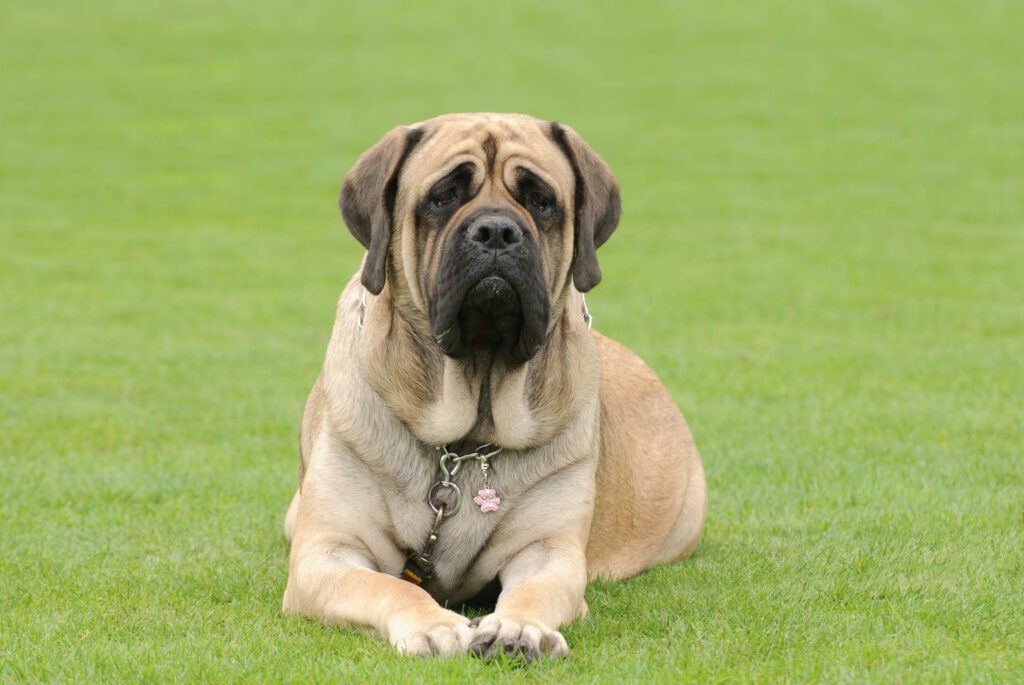


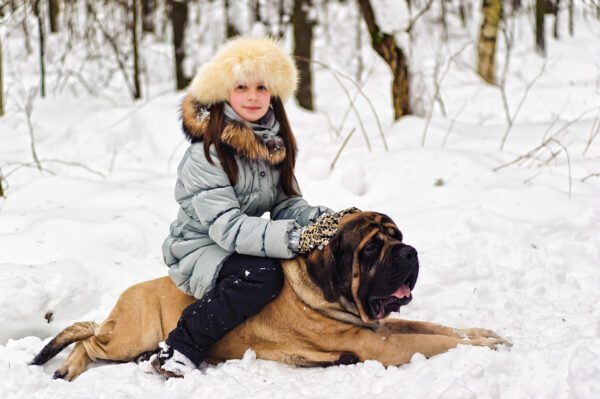
The English Mastiff is a calm, affectionate, and steady companion that bonds deeply with family. This breed is patient, gentle with children when supervised, and protective without being reactive when properly socialized. The impressive size asks for thoughtful planning, but the reward is a loyal friend that prefers quiet routines and close contact with people.
Research is essential before bringing an English Mastiff home. Adults commonly weigh 120 to 230 pounds, drool is common, and daily care needs are significant. Adoption gives a deserving dog a second chance while also providing you with transparency on health and temperament. Many adoptable Mastiffs arrive already spayed or neutered and evaluated by a veterinarian, which supports a smoother transition than buying from a seller.
New Jersey can suit this breed when owners respect climate and space. Summers are hot and humid, so an English Mastiff needs air conditioning, shade, fresh water, and calm walks during cooler hours. Winters are cold and slushy, so short outdoor breaks, a warm indoor space, and a well-fitted coat help. Suburban homes and ground-floor apartments work best, while tight stairways and long commutes can be challenging. A reliable plan for mid-day breaks and consistent companionship keeps this gentle giant content.
You can skip searching rescues and shelters one by one by using the adoption listings at Dog Academy. You can filter by breed, age, and location to find available English Mastiffs across New Jersey. You also gain access to clear educational guides and practical adoption checklists that help you prepare your home, budget, and schedule.
Adoptable Mastiffs appear at local animal shelters, regional rescues, and breed-specific rescue groups. Listings may include dogs in nearby states because rescues sometimes arrange transport to move dogs between locations when a better match exists. Transport is typically coordinated by the rescue, and it often involves volunteer drivers or partner shelters that handle safe handoffs.
The process usually starts by browsing listings to confirm age, size, energy level, and medical notes fit your household. An application follows and may request information about your home, landlord permission when you rent, household members, resident pets, and your veterinarian. Approval timelines in New Jersey commonly range from 3 to 14 days, though holidays and complex medical needs can extend decisions.
When an application advances, a meet-and-greet allows every family member and resident dog to interact with the Mastiff in a controlled setting. A home check often occurs in person or through a virtual walkthrough to confirm secure fencing, safe storage for medications and chemicals, and a comfortable space for rest. These steps protect both the dog and your family.
Finalizing adoption involves signing a contract, paying the adoption fee, and arranging a pickup date. Some groups offer a short trial period to ensure a good fit, which allows time to assess compatibility while the rescue remains available for support. You should bring a sturdy harness, a wide flat collar with identification, and a crate sized for a giant breed to support safe travel and decompression at home.

|
How Much Does It Cost to Adopt a English Mastiff in New Jersey?In New Jersey, adoption fees for an English Mastiff typically range from $250 to $650. Younger dogs and well-trained adults often sit at the higher end because demand is strong and recent veterinary care is extensive. Seniors or dogs with manageable medical needs usually cost less to encourage adoption. Fees reflect services that reduce your upfront costs, which often include spaying or neutering, vaccinations, microchipping, and veterinary exams. Pricing also varies with age, training, medical care already provided, and regional demand. Giant breeds may have higher intake costs due to larger medication doses, specialized anesthesia, and orthopedic evaluations, which can influence the final fee. |
How Should I Train a English Mastiff?The English Mastiff is intelligent and eager to please, yet the breed can be independent and slow to mature. Short sessions, calm handling, and high-value rewards build trust and reliability. Positive reinforcement works best because harsh corrections can damage confidence and create resistance in a sensitive dog. Focus early on socialization, loose-leash walking, impulse control, and calm greetings. Practice daily sit-stay, down-stay, and leave-it in quiet spaces before adding distractions. Teach a solid recall indoors, then reinforce outdoors on a long line. Introduce polite handling for ears, paws, nails, and jowls to make grooming and veterinary visits stress-free. Protect joints by avoiding repeated stair climbs and high-impact activities until growth plates close. For expert guidance tailored to giant breeds, explore Dog Academy’s online training courses. You can follow step-by-step lessons for foundation skills, reactivity prevention, and leash manners, and you can progress at a pace that suits your Mastiff’s temperament. |

|
An ideal owner is calm, consistent, and comfortable managing a very large dog. A good match provides time for training, space for easy movement, climate control for summer heat, and a budget that covers high-quality food and routine veterinary care. A stable routine and gentle leadership help this breed thrive.
Adoption succeeds when preparation is thorough and patient. Take time to learn, gather supplies, and plan your first weeks at home. When you are ready, browse available dogs through Dog Academy, review the guides and checklists, and move forward with confidence toward a lifelong match.

Introducing a new puppy to your current dog is often an exciting process, and many dogs will become fast friends and eas...
Read More
Rescue dogs can make great companions and can transform your home into something better. These dogs make great pets and ...
Read More
You should never rush to pet a dog. Even dog owners make the mistake of approaching unfamiliar dogs and petting them rig...
Read More
Puppy mill dogs are survivors who have endured extreme hardships in their lives. They have grown up in horrendous, unsan...
Read More
With their wagging tails and comforting presence, adopting a dog can add a unique touch to your life. It’s a heart...
Read More
Older dogs may have a few gray hairs around the edges, but that doesn’t mean they can’t make wonderful companions! T...
Read More