




























































































































































































Introducing a new puppy to your current dog is often an exciting process, and many dogs will become fast friends and eas...
Read MoreAdopt Me

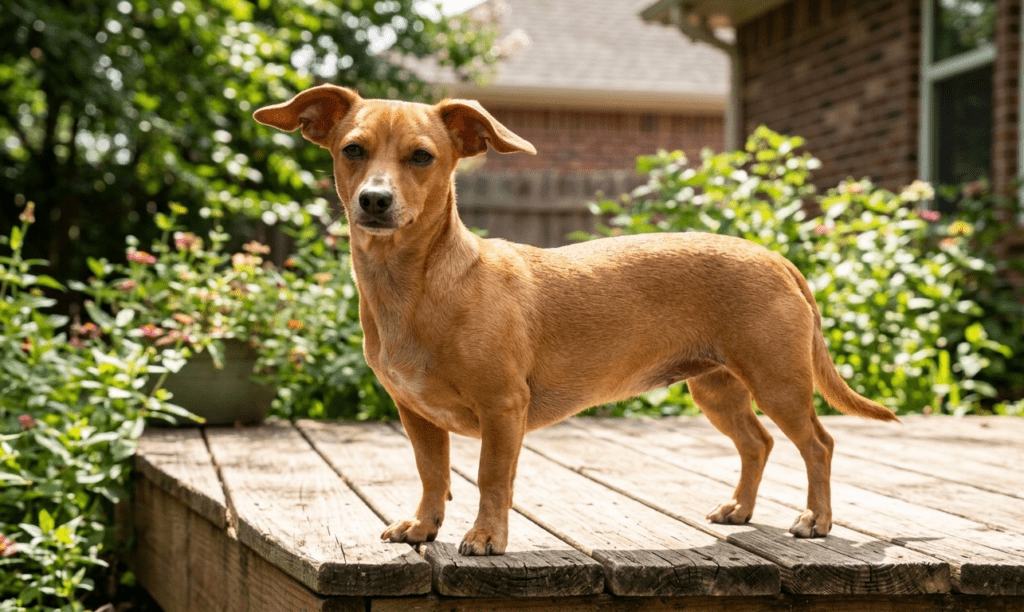
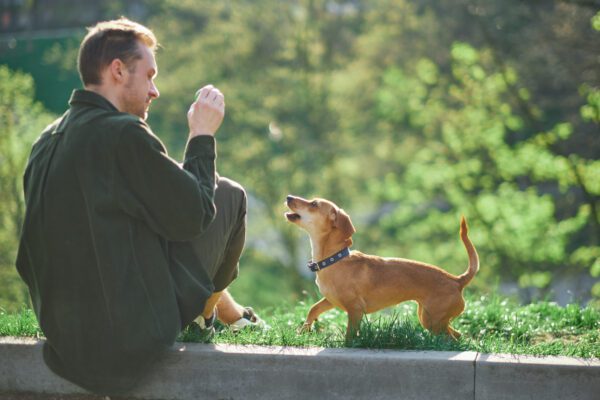
The Chiweenie blends the spunk of the Chihuahua with the devotion of the Dachshund, which creates a lively companion that loves close contact and daily play. This small dog is alert and people focused, and it often bonds deeply with one person while still enjoying the whole family. Thoughtful research before you adopt a Chiweenie in Virginia helps you understand energy needs, vocal tendencies, back care, and dental care so you can welcome your dog with confidence.
Adoption is a kind choice because it gives a dog a second chance and often includes important veterinary care. Choosing adoption also supports community shelters and fosters that work to reduce overcrowding. Virginia can suit a Chiweenie well because the breed thrives in apartments or houses and does well with short, frequent walks. Hot, humid summers call for shade and water, and cold winters call for sweaters and limited outdoor time for short-coated dogs. The state’s mix of coastal plains, cities, and mountains offers many walking options, though small dogs need supervision around wildlife, stairs, and busy streets.
You can avoid searching local shelters and rescues separately by browsing Dog Academy for adoption listings across Virginia. You can filter by size, age, and location, then follow helpful guides and adoption checklists to prepare your home. You can also look at local animal shelters, regional rescues, breed-specific rescue groups, and foster-based networks that list available dogs throughout the state.
The process starts with browsing listings and reading each dog’s profile with care. Profiles usually explain age, size, temperament, medical notes, and ideal home type. An application typically follows. The application often asks for your contact details, lifestyle information, veterinary references, and proof of landlord approval when you rent. Clear, complete answers help teams judge fit and move your application forward.
Next comes a meet-and-greet at a shelter, an adoption center, or a foster home. This meeting lets you see how the Chiweenie handles new people, leash walks, handling, and time around children or other pets. Many groups also complete a home check, which can happen virtually or in person. The check confirms safe fencing, secure doors, reasonable stairs for a small dog, and a calm space for decompression. Approval timelines vary, but most decisions arrive within 3 to 10 days when your references respond quickly. Some same-day adoptions happen when you arrive prepared with supplies and identification.
Rescues sometimes arrange transport to move dogs between locations when a good match is found in another city or state. Transport is often organized by volunteers or licensed carriers who drive set routes and meet adopters at agreed pickup points. Teams share health records and microchip details at handoff so your new dog transitions smoothly.
After approval, you sign an adoption contract and pay the fee. You receive medical records, microchip information, and care notes. Plan to bring a flat collar, a well-fitting harness, a 6-foot leash, treats, and a secure crate for the ride home. Plan time for slow introductions to family members and pets, and give your Chiweenie a quiet room so the first week feels safe and predictable.

|
How Much Does It Cost to Adopt a Chiweenie in Virginia?In Virginia, most Chiweenies are placed for $150 to $350. Puppies usually range from $250 to $350 because demand is high and recent vetting is more extensive. Adults usually range from $150 to $250 when routine care is already complete. Fees reflect care that commonly includes spaying or neutering, vaccinations, microchipping, and veterinary exams. Costs rise when recent dental cleanings, advanced diagnostics, or training support are provided. Age, training level, medical needs, and regional demand for small companion dogs also influence price. Plan for immediate care and supplies on day one. Many adopters spend $100 to $200 on a harness, a leash, a crate, bowls, food, and an identification tag. Local licensing and ongoing preventatives add to your first-month costs and help keep your Chiweenie healthy and compliant with local rules. |
How Should I Train a Chiweenie?The Chiweenie is bright and food motivated, and it learns quickly when you use short sessions and reward good choices. The breed can be vocal and a bit stubborn, so calm routines and consistent cues matter. Positive reinforcement builds trust and keeps training fun. Reward quiet moments, ask for sit before greetings, and teach a reliable come when called to keep a small dog safe in busy Virginia environments. House training succeeds when you manage water intake, use a regular schedule, and reward outdoor success. Crate training helps with relaxation and travel. Protect the back by teaching your dog to use ramps and by discouraging jumping from furniture. Mental enrichment is essential, and puzzle feeders and scent games help channel alert energy into productive work. If you want a structured plan, explore Dog Academy’s online training courses for step-by-step lessons that cover manners, loose-leash walking, barking control, and confidence building. |
|
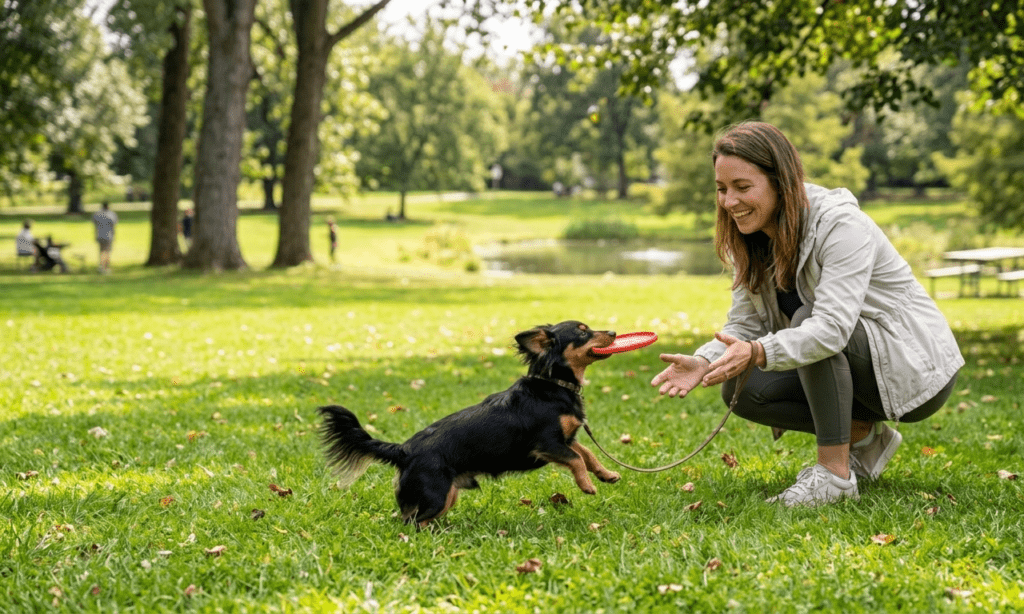
A great Chiweenie home offers gentle handling, patient training, and daily companionship. The ideal adopter enjoys short walks, cozy evenings, and light adventures. The home stays climate aware by providing shade in summer and warm layers in winter. The adopter also watches stairs and keeps up with dental care so this small dog stays comfortable and healthy.
Preparation leads to the best match. Set your budget, gather supplies, and confirm a veterinarian before you start. Take time to read each profile and ask thoughtful questions. When you feel ready, explore listings on Dog Academy, follow the checklists, and move at a pace that lets you and your future Chiweenie thrive together in Virginia.

Introducing a new puppy to your current dog is often an exciting process, and many dogs will become fast friends and eas...
Read More
Rescue dogs can make great companions and can transform your home into something better. These dogs make great pets and ...
Read More
You should never rush to pet a dog. Even dog owners make the mistake of approaching unfamiliar dogs and petting them rig...
Read More
Puppy mill dogs are survivors who have endured extreme hardships in their lives. They have grown up in horrendous, unsan...
Read More
With their wagging tails and comforting presence, adopting a dog can add a unique touch to your life. It’s a heart...
Read More
Older dogs may have a few gray hairs around the edges, but that doesn’t mean they can’t make wonderful companions! T...
Read More