



























































































































































































Introducing a new puppy to your current dog is often an exciting process, and many dogs will become fast friends and eas...
Read MoreAdopt Me

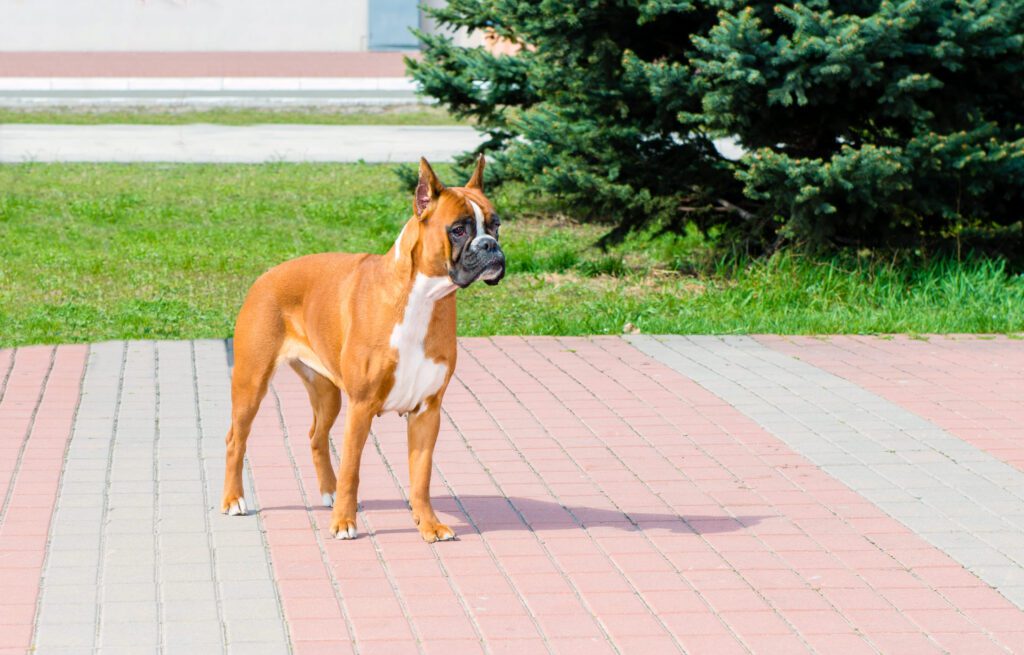

Boxers are playful, people-focused, and fiercely loyal. A well-bred and well-trained Boxer brings high energy, quick wit, and an affectionate spirit to daily life. The breed loves to clown around, yet it also takes watchdog duties seriously. Careful research helps you match this lively companion with your lifestyle and your home. Adoption gives you the chance to help a dog in need while gaining insight from caregivers who know each dog’s temperament and needs.
Choosing to adopt rather than buy supports responsible pet care and reduces demand for irresponsible breeding. Adoption also often provides health records, behavior notes, and post-adoption support that make the transition smoother. Virginia suits Boxers well when owners plan for the state’s varied climate and terrain. Coastal summers can feel hot and humid, urban sidewalks can heat up quickly, and mountain winters can be cold and windy. A short-coated Boxer needs short summer outings, plenty of shade, regular water breaks, and a warm coat in winter.
Virginia offers beaches, rolling Piedmont neighborhoods, and scenic mountain trails. A Boxer thrives when daily exercise is consistent and mental games are part of the routine. Suburban families, active singles, and city dwellers can all succeed when they schedule brisk walks, structured play, and training. A fenced yard adds convenience, yet a committed leash-walking routine works well when it stays consistent in all seasons.
You can avoid searching local shelters and regional rescues one by one by browsing listings through Dog Academy. Dog Academy organizes adoptable dogs from many sources in one place and provides educational guides and adoption checklists that explain each step. You can filter for age, size, and temperament to find Boxers that match your lifestyle.
In Virginia, adoptable Boxers commonly appear at local animal shelters, regional rescues, and breed-specific rescue groups. Start by browsing listings, reading each dog’s biography, and noting any medical or behavioral details. Make a shortlist, then submit applications that explain your home, schedule, fencing, and experience with energetic breeds. Clear, complete applications help volunteers understand how you plan to meet a Boxer’s exercise and training needs.
After an application, many groups schedule phone interviews, virtual interviews, or home checks to confirm safe containment and a realistic routine. A meet-and-greet usually follows, which allows you to assess energy level, sociability, and compatibility with other pets or children. Some rescues arrange supervised introductions between resident dogs and the Boxer you plan to adopt. Transport is often arranged by rescues to move dogs between locations, which helps match the right dog with the right home even when distance is involved.
Approval timelines vary by organization and by the dog’s needs. Straightforward cases can move from application to adoption in 1 to 2 weeks. Dogs who need medical treatment, behavior assessments, or specialized matches may take 3 to 4 weeks or longer. Stay responsive, ask detailed questions about routines and triggers, and request all medical records so your veterinarian can continue care without gaps.

|
How Much Does It Cost to Adopt a Boxer in Virginia?Most adopters in Virginia can expect to pay $200 to $450 to adopt an adult Boxer from a shelter or a rescue. Puppies and young adolescents often cost more due to demand and higher veterinary expenses, which places many puppy adoptions in the $500 to $650 range. Fees usually include spaying or neutering, vaccinations, microchipping, and veterinary exams. Costs vary based on age, training, medical care, and local demand. A Boxer with recent dental work, orthopedic care, or heartworm treatment may carry a higher fee to offset expenses. A dog who has completed basic training or who has earned well-documented manners may also cost more because training improves adoptability and reduces risk. Transparent breakdowns help you compare value across organizations, so ask what the fee includes and request copies of invoices when they are available. |
How Should I Train a Boxer?Boxers are bright and eager, and they learn quickly when training stays upbeat and consistent. Positive reinforcement builds trust and keeps a Boxer engaged. Short sessions prevent boredom, and clear cues prevent confusion. Focus on impulse control, loose-leash walking, polite greetings, and calm behavior around distractions. Many Boxers struggle with jumping, mouthy play, and overexcitement, which improves with structured outlets for energy, daily mental enrichment, and patient repetition. Early socialization teaches a Boxer to stay calm around people, dogs, bikes, and traffic. Crate training supports safe rest and helps with house training. Reward quiet behavior, provide durable chew options, and end sessions on a win. If you want step-by-step plans, you can follow Dog Academy’s online training courses, which provide video lessons, written guides, and practical homework that fits busy schedules. |
|
The ideal Virginia adopter enjoys daily activity, sets consistent boundaries, and provides time for training and play. A Boxer thrives with people who like structured walks, backyard games, and indoor enrichment when weather limits outdoor time. Preparation matters because this breed gives its best when routines are predictable and rules are clear.
Take your time, ask thorough questions, and choose a Boxer whose energy, age, and temperament suit your home. Gather supplies before pickup, schedule a wellness exam, and plan the first week around bonding and gentle structure. When you move at a thoughtful pace, you set your new Boxer up for a happy start and a lifetime of companionship in Virginia.

Introducing a new puppy to your current dog is often an exciting process, and many dogs will become fast friends and eas...
Read More
Rescue dogs can make great companions and can transform your home into something better. These dogs make great pets and ...
Read More
You should never rush to pet a dog. Even dog owners make the mistake of approaching unfamiliar dogs and petting them rig...
Read More
Puppy mill dogs are survivors who have endured extreme hardships in their lives. They have grown up in horrendous, unsan...
Read More
With their wagging tails and comforting presence, adopting a dog can add a unique touch to your life. It’s a heart...
Read More
Older dogs may have a few gray hairs around the edges, but that doesn’t mean they can’t make wonderful companions! T...
Read More