



























































Introducing a new puppy to your current dog is often an exciting process, and many dogs will become fast friends and eas...
Read MoreAdopt Me

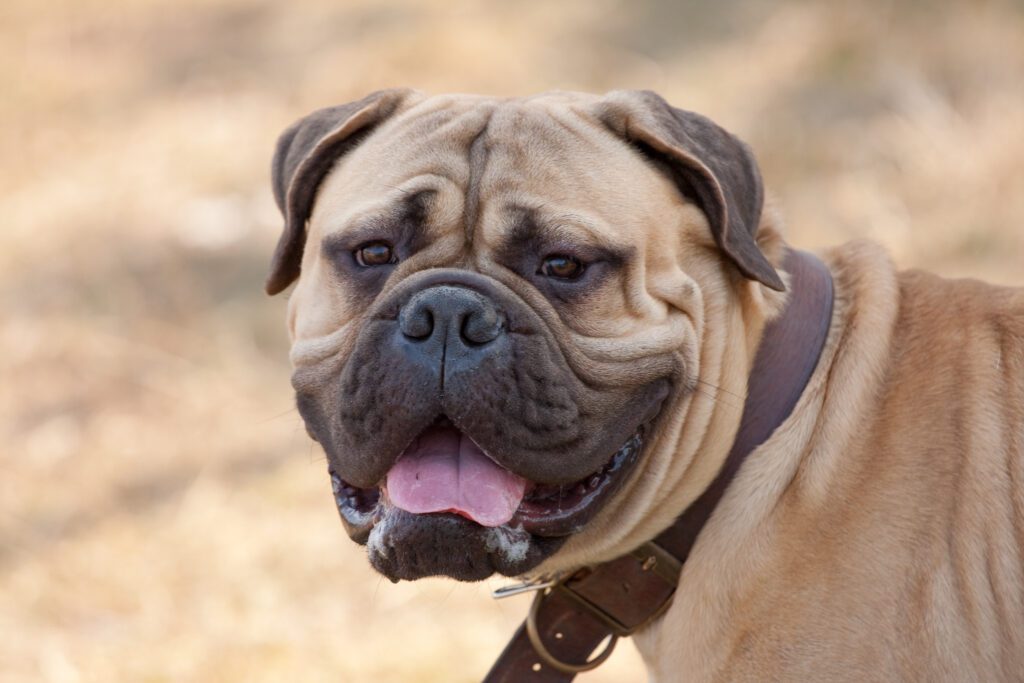
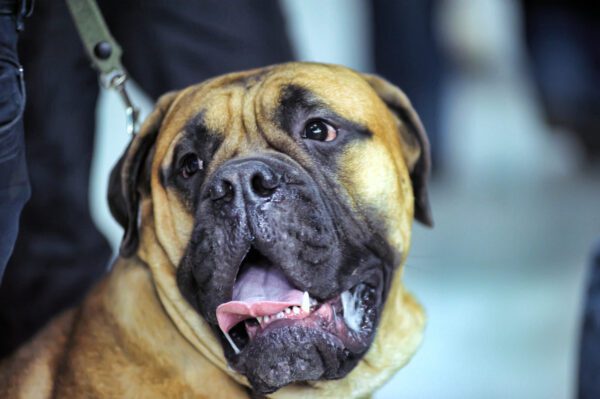
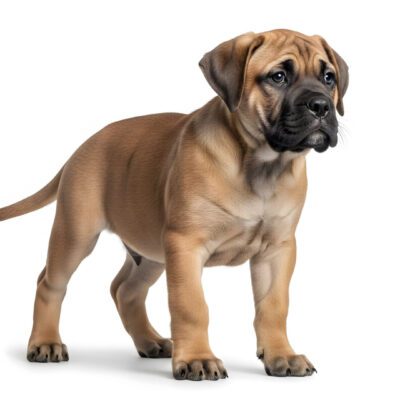
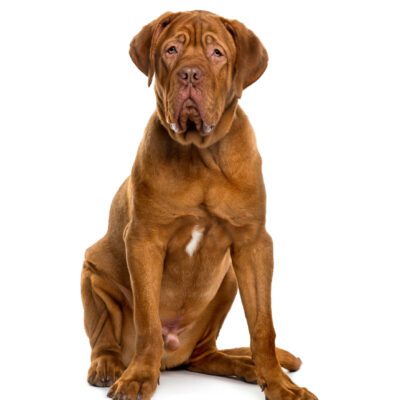
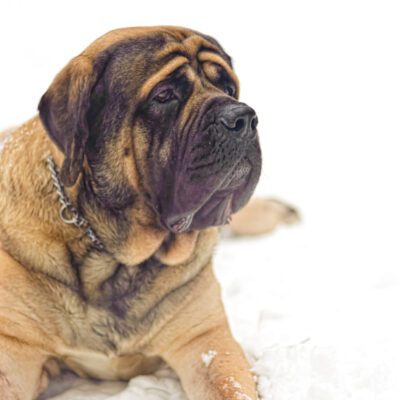
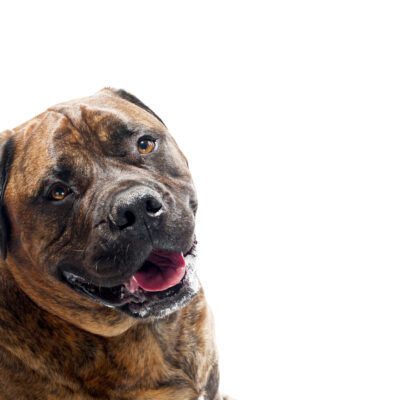
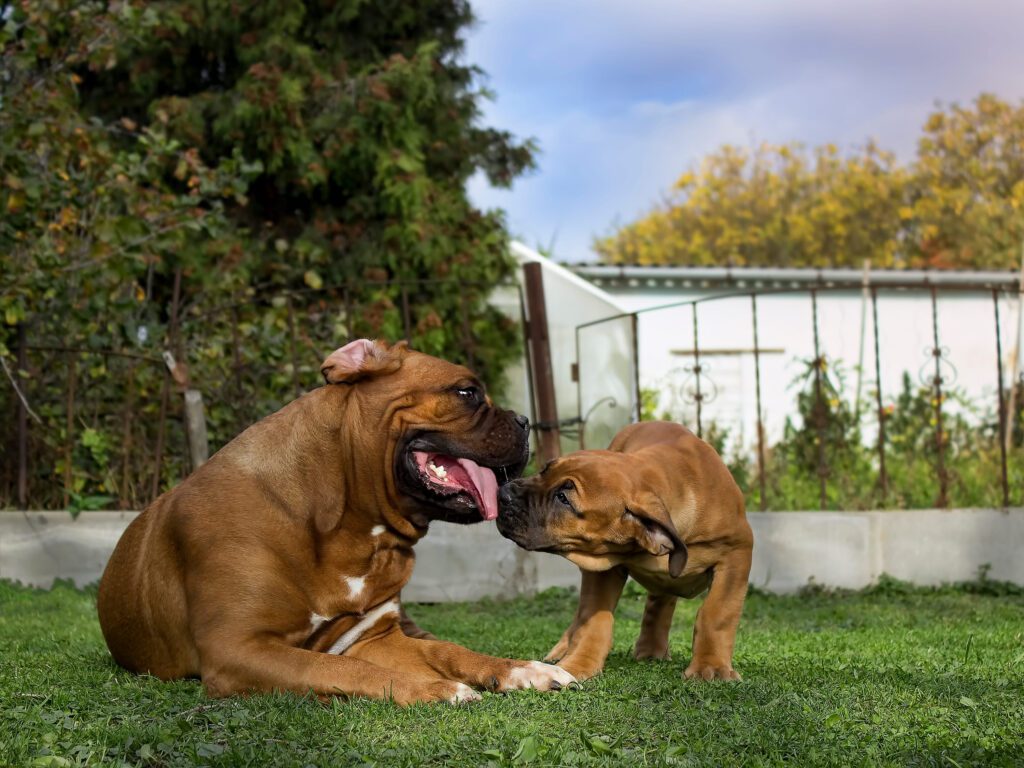
Bullmastiffs are calm, loyal, and steady companions. They are gentle with family, protective when needed, and surprisingly low energy indoors. Their size and confidence make them outstanding guardians who prefer to relax near their people. Daily walks, clear rules, and mental enrichment keep this powerful breed balanced and content.
Research matters before you adopt a Bullmastiff. This is a large dog that can weigh 100 to 130 pounds and that can drool, shed, and take up space. The breed benefits from consistent training and structure. Adoption is a smart path because you help a dog in need, you gain insight from foster notes, and you often receive a dog that is already vetted and evaluated.
Virginia offers a good fit for many Bullmastiffs. The state has four seasons with hot, humid summers and colder winters in the mountains. This breed can overheat in summer, so shade, cool water, and quiet midday schedules are important. Winters in coastal and central areas are usually manageable, while mountain regions may require a warm coat and shorter outings. Virginia’s mix of suburban homes, rural properties, and walkable neighborhoods gives flexible options. A secure yard, calm streets, and easy access to trails or parks help this breed thrive.
You can skip searching shelters and rescues one by one by using Dog Academy to browse current adoption listings across locations. Dog Academy also provides clear educational guides and practical adoption checklists that help you prepare, compare options, and move through each step with confidence. You can also look at local animal shelters, regional rescues, breed-specific rescue groups, and foster networks that place large guardian breeds.
Start by browsing listings and reading each bio closely. Look for age, weight, temperament notes, energy level, and medical history. Many postings include information about house training, crate skills, and behavior with kids or other pets. Make a shortlist and reach out with thoughtful questions about exercise needs, household fit, and any ongoing training or medical care.
Most organizations require an application. You typically submit identification, landlord permission if you rent, and veterinary or personal references. A brief phone interview often follows to confirm your experience, schedule, and goals. Timelines vary, though many approvals in Virginia take 1 to 3 weeks once references are returned. Patience helps, because matching focuses on safety and suitability for both the dog and the adopter.
Next comes a meet-and-greet. Plan to bring all household members and arrange a slow introduction with resident dogs. Some groups request a home check, which may happen virtually or in person. The check verifies safe fencing, secure storage of chemicals, and a setup that supports a giant breed. If everyone agrees to proceed, you review the adoption contract, pay the fee, and schedule pickup. Some rescues offer a short trial period to confirm compatibility. When distance is a challenge, rescues may arrange transport between locations using volunteer drivers or partner services, and they coordinate schedules, health certificates, and pickup points to move the dog safely.
|
How Much Does It Cost to Adopt a Bullmastiff in Virginia?In Virginia, the adoption fee for a Bullmastiff typically ranges from $250 to $500. Young adults and well-vetted dogs often fall between $350 and $500, while seniors and special-needs dogs usually stay near the lower end of the range. Fees reflect the dog’s age, training, medical history, and local demand for large guardian breeds. Most fees include spaying or neutering, vaccinations, microchipping, and veterinary exams. Many groups also cover deworming, heartworm testing, flea and tick prevention, and a behavioral assessment. Some organizations provide starter supplies or training support. If transport is used, a modest transport contribution may apply to cover fuel, health paperwork, and logistics. |
How Should I Train a Bullmastiff?Bullmastiffs are intelligent and steady learners. They respond best to clear routines and reward-based methods. Short sessions, high-value rewards, and calm handling work well. Early socialization to people, places, surfaces, and sounds builds confidence and reduces reactivity. Consistency matters because this breed is strong and capable, which makes reliable cues essential. Focus on leash manners, polite greetings, impulse control, and a solid recall. Teach relax on a mat, leave it, and drop it to support everyday life. Practice cooperative care such as handling paws, ears, and mouth so veterinary visits stay easy. Avoid harsh corrections that can erode trust. Protect growing joints with low-impact exercise and controlled play, especially during the first 18 months. Structured guidance helps new adopters succeed, and Dog Academy’s online training courses offer step-by-step lessons for large breeds. You can follow clear plans for obedience, socialization, and problem prevention that fit busy Virginia schedules. |
|
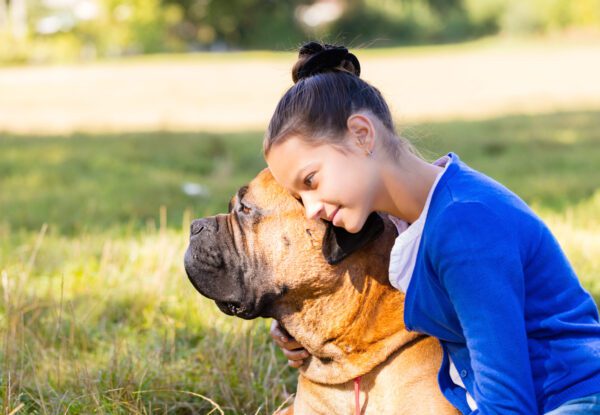
The ideal Bullmastiff adopter is calm, patient, and consistent. You provide clear rules, daily walks, and affectionate downtime. You prepare your home with secure fencing, sturdy equipment, and a quiet place to rest. You also budget for quality food, routine veterinary care, and training.
Take your time as you adopt a Bullmastiff in Virginia. Ask questions, meet thoughtfully, and confirm the fit for your household. With preparation and support, you will welcome a loyal guardian and a gentle family companion who truly belongs in your life.
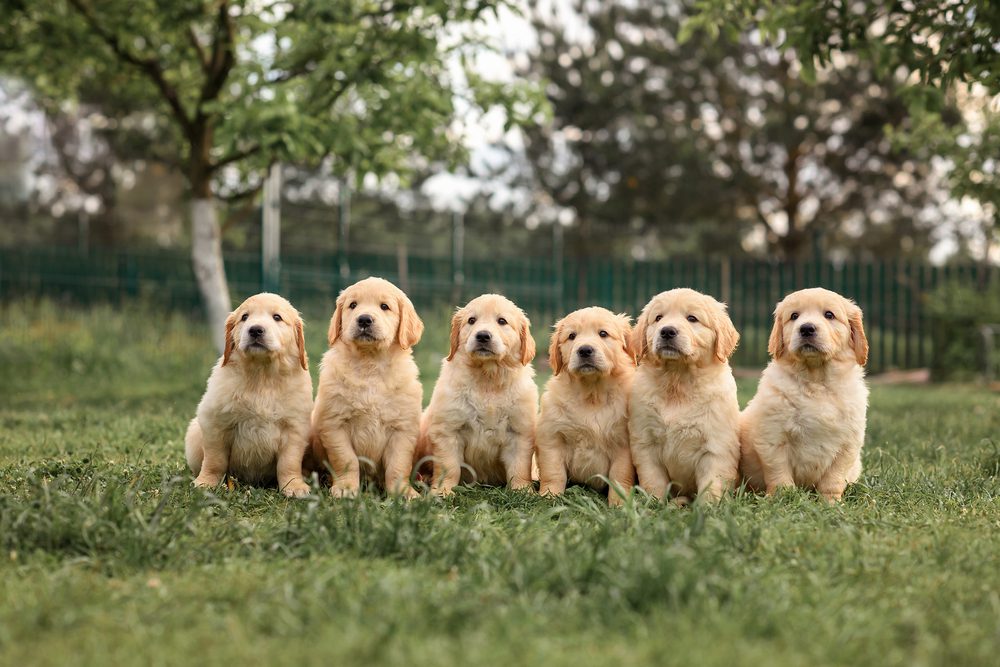
Introducing a new puppy to your current dog is often an exciting process, and many dogs will become fast friends and eas...
Read More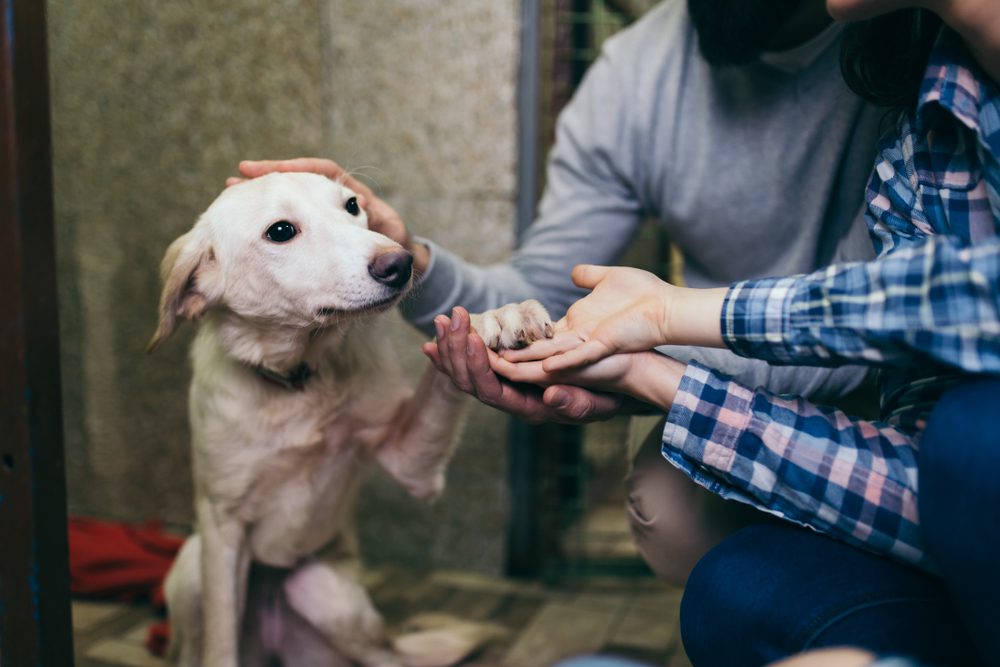
Rescue dogs can make great companions and can transform your home into something better. These dogs make great pets and ...
Read More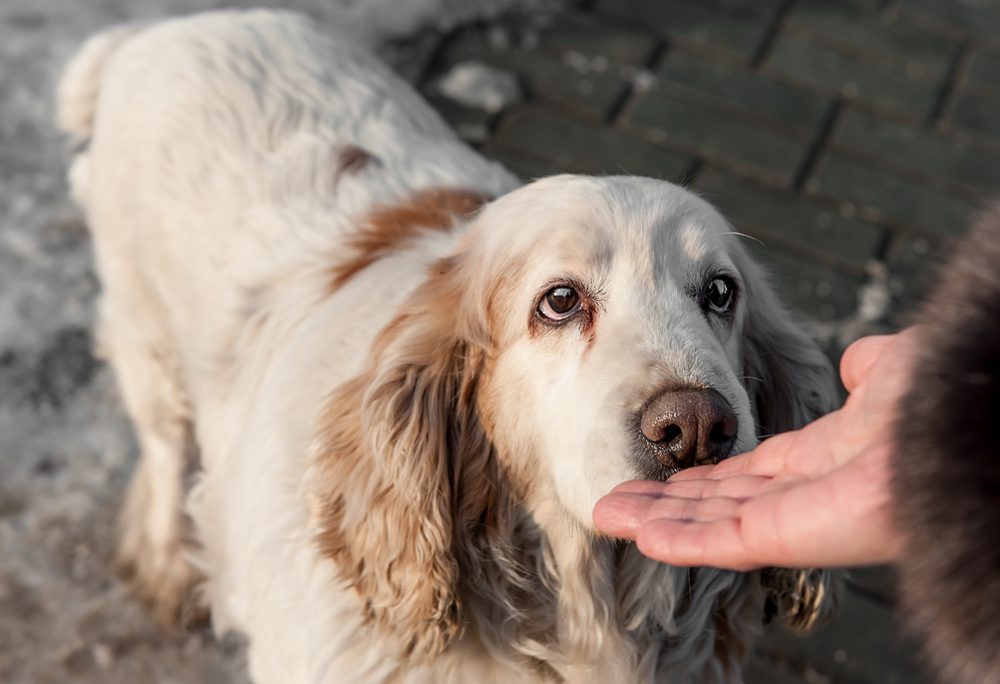
You should never rush to pet a dog. Even dog owners make the mistake of approaching unfamiliar dogs and petting them rig...
Read More
Puppy mill dogs are survivors who have endured extreme hardships in their lives. They have grown up in horrendous, unsan...
Read More
With their wagging tails and comforting presence, adopting a dog can add a unique touch to your life. It’s a heart...
Read More
Older dogs may have a few gray hairs around the edges, but that doesn’t mean they can’t make wonderful companions! T...
Read More