




























































































































































































Introducing a new puppy to your current dog is often an exciting process, and many dogs will become fast friends and eas...
Read MoreAdopt Me


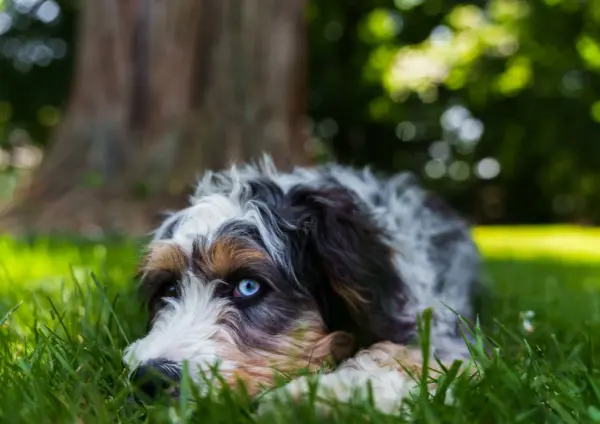
A Mini Bernedoodle offers a warm, people-focused temperament, playful energy, and low to moderate shedding. This mix of intelligence and affection suits families, first-time adopters, and active professionals. Careful research helps you match energy level, grooming needs, and temperament with your home and schedule. Adoption gives a deserving dog a new start and it reduces demand for commercial breeding. Virginia provides a great backdrop for this breed with mountain trails, suburban neighborhoods, and coastal communities that encourage daily walks and light adventures.
Virginia’s varied climate shapes daily routines for a Mini Bernedoodle. Summers are hot and humid, which calls for early morning or evening exercise and steady access to shade and water. Winters in the mountains are colder and may bring snow, which many Mini Bernedoodles enjoy in short bursts. Flatlands and coastal areas tend to be milder and breezier, which supports frequent outdoor time. The breed adapts well to apartments and homes with yards as long as you commit to regular exercise, mental enrichment, and gentle handling for grooming.
You can avoid searching for rescues and shelters one by one by browsing adoptable dogs through Dog Academy. You can filter for size, age, and location, then follow clear next steps. Dog Academy also provides educational guides and practical adoption checklists so you understand the process, prepare your home, and plan your first week with a new dog.
You can find Mini Bernedoodles through local animal shelters, regional rescues, breed-specific rescue groups, and foster-based organizations. You may also find suitable matches in nearby states. Transport is often arranged by rescues to move dogs between locations so approved adopters can meet a dog closer to home. Transport can involve volunteer drivers, professional services, or a coordinated relay on scheduled routes.
The adoption process usually starts with browsing listings and reading each profile carefully. Profiles often note age, size, energy level, social history, and medical updates, which helps you decide if the dog fits your household. When you see a potential match, you submit an application that includes questions about your schedule, experience, home setup, and plans for training and veterinary care. Many organizations verify references and confirm landlord or homeowner policies when applicable.
After an application review, you move to a meet-and-greet. A meet-and-greet allows you and the dog to interact in a calm space and it helps the organization confirm the match. A home check often follows. A home check is a simple safety review that happens in person or by video. The check looks for secure doors and gates, safe storage of chemicals, and a plan for supervision. Approval timelines vary by organization and volunteer capacity, though many decisions arrive within 1 to 3 weeks. Some groups offer a short adoption trial so both sides can confirm the fit before finalizing.

|
How Much Does It Cost to Adopt a Mini Bernedoodle in Virginia?In Virginia, most Mini Bernedoodles adopt for about $300 to $650 for adults and about $400 to $800 for puppies. Fees trend higher in high-demand metro areas and for younger dogs. Costs reflect medical care already provided, as well as the time and resources invested in evaluation and foster care. Adoption fees commonly cover spaying or neutering, vaccinations, microchipping, and veterinary exams, which would cost significantly more if you paid for them after adoption. Age, training, and demand influence the final fee. Puppies and highly social adults usually cost more because many adopters want those profiles. Dogs that arrive already crate trained, house trained, or leash trained may also carry higher fees because training reduces your initial workload. Dogs that receive extensive medical care can cost more due to additional diagnostics, medications, or follow-up visits that the organization completes before placement. |
How Should I Train a Mini Bernedoodle?A Mini Bernedoodle learns quickly and loves to please, which makes positive reinforcement the best training approach. Short sessions, clear cues, and high-value rewards keep focus high. Early socialization builds confidence with new people, friendly dogs, and varied environments. Consistency is important because this breed bonds closely with family and can develop separation anxiety if routines change suddenly. Common challenges include overexcitement, jumping to greet, and light mouthiness during play. You can channel energy into structured walks, nose-work games, puzzle feeders, and calm settle training. You can teach polite greetings by reinforcing a sit before attention. You can reduce barking by rewarding quiet moments and by meeting daily exercise needs. You can ease grooming by practicing gentle handling of paws, ears, and muzzle for a few minutes each day. For step-by-step guidance you can use Dog Academy’s online training courses, which teach foundations, manners, crate training, and confidence-building skills you can apply at home. |

|
A Mini Bernedoodle fits best with adopters who enjoy daily walks, structured play, and kind leadership. The breed suits families with children who can follow clear rules, active singles who like weekend outings, and retirees who want an affectionate companion with moderate exercise needs. Adopters with flexible schedules often thrive because they can manage training and consistent routines.
Preparation leads to a smooth transition. You can gather supplies, set house rules, and create a calm space before adoption day. You can take your time, ask thoughtful questions, and focus on the best match rather than the fastest timeline. With the right research and steady training, you can adopt a Mini Bernedoodle in Virginia and enjoy a loyal, joyful partner for years to come.

Introducing a new puppy to your current dog is often an exciting process, and many dogs will become fast friends and eas...
Read More
Rescue dogs can make great companions and can transform your home into something better. These dogs make great pets and ...
Read More
You should never rush to pet a dog. Even dog owners make the mistake of approaching unfamiliar dogs and petting them rig...
Read More
Puppy mill dogs are survivors who have endured extreme hardships in their lives. They have grown up in horrendous, unsan...
Read More
With their wagging tails and comforting presence, adopting a dog can add a unique touch to your life. It’s a heart...
Read More
Older dogs may have a few gray hairs around the edges, but that doesn’t mean they can’t make wonderful companions! T...
Read More