




























































































































































































Introducing a new puppy to your current dog is often an exciting process, and many dogs will become fast friends and eas...
Read MoreAdopt Me

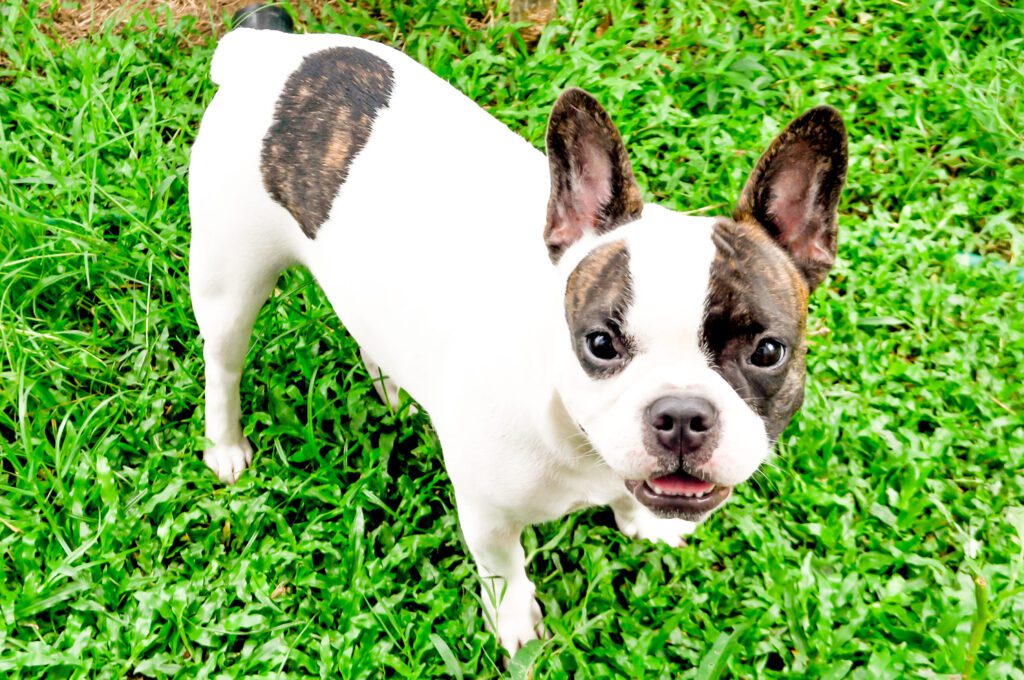
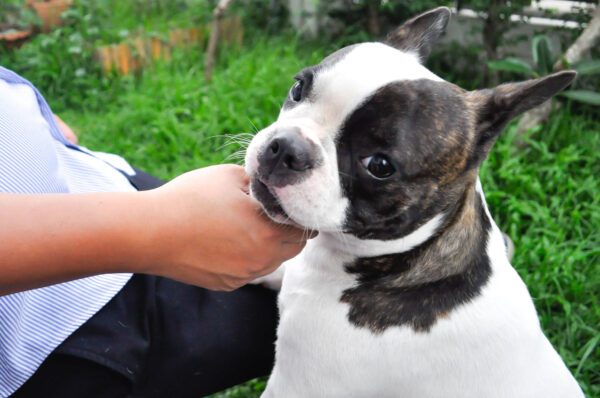
A Frenchton blends the French Bulldog’s charm with the Boston Terrier’s spunk, which creates a compact companion that is affectionate, playful, and people focused. Most Frenchtons enjoy short bursts of activity, cozy naps, and plenty of family time. Their short coat is easy to maintain, and their social nature fits many households that want a friendly companion with moderate exercise needs.
Research matters before you adopt because Frenchtons are brachycephalic dogs that can overheat and tire quickly. Responsible adopters plan for routine veterinary care, thoughtful exercise, and patient training. Adoption is preferable to buying because it gives a dog a second chance, supports community shelters and rescues, and usually includes essential veterinary care that protects both the dog and your budget.
Virginia’s climate and geography shape daily life with a Frenchton. Summers are hot and humid, which means you should schedule short walks during cool morning or evening hours and keep indoor spaces air conditioned. Winters vary from coastal chill to mountain cold, which means a warm jacket and limited exposure help your dog stay comfortable. Urban apartments, suburban homes, and rural properties can all suit a Frenchton as long as the dog lives indoors, enjoys supervised outdoor time, and rests during heat or cold snaps.
You can skip searching shelters and rescues one by one by browsing Dog Academy for current adoption listings. You can filter for location and breed, which helps you find Frenchtons and Frenchton mixes available in Virginia. Dog Academy also provides educational guides and adoption checklists that help you prepare your home, organize supplies, and plan the first week after adoption.
Adoptable Frenchtons may appear at local animal shelters, regional rescues, and breed-specific rescue groups. Foster-based networks also help place small companion dogs throughout Virginia. Most groups post profiles with photos, health notes, and temperament summaries. The first step is browsing listings, then submitting an application that explains your lifestyle, schedule, housing, and experience with dogs. Many groups request a veterinary reference if you have owned pets before.
When your application is reviewed, you are usually invited to a meet-and-greet to confirm compatibility. Use this meeting to observe how the dog handles short play, new people, and gentle handling, and ask questions about feeding, routine, and any medical needs. Home checks are often conducted as a brief virtual video tour or a quick in-person visit. The goal is to verify safe spaces, secure doors or fences, and climate control that protects a brachycephalic dog during hot Virginia summers. Approval timelines vary by group, but most adoptions move from application to approval within 1 to 3 weeks when paperwork, references, and meet-and-greets are completed quickly.
Transport is sometimes arranged by rescues to move dogs between locations when the best match lives far away. Transport can be handled by volunteer relay drivers or licensed carriers, and the group explains pickup points, health certificate requirements, and any fuel or handling fees. Many organizations finalize paperwork before travel and complete a final handoff meeting when the dog arrives.
|
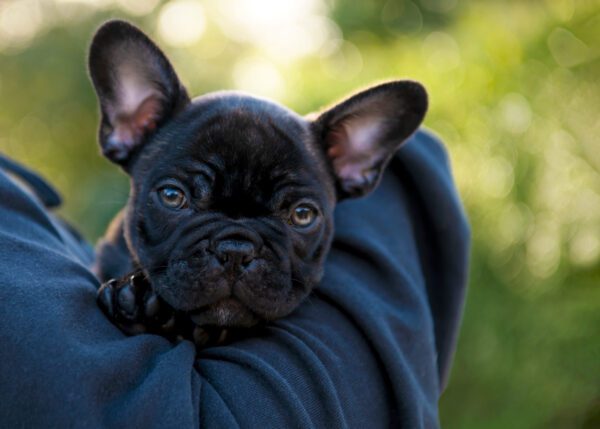
How Much Does It Cost to Adopt a Frenchton in Virginia?Expect most adoption fees for a Frenchton in Virginia to fall between $300 and $550. Puppies and young adults often sit at the higher end due to strong demand and recent veterinary care, while seniors or dogs with manageable medical needs may be closer to the lower end. Fees usually include spaying or neutering, vaccinations, microchipping, and veterinary exams, and some groups also include a brief foster-to-adopt period or initial training support. Final costs can shift based on age, prior training, medical care, and demand within your region. Plan a separate budget for supplies, quality food, routine preventives, and follow-up vet appointments so your new dog starts strong. |
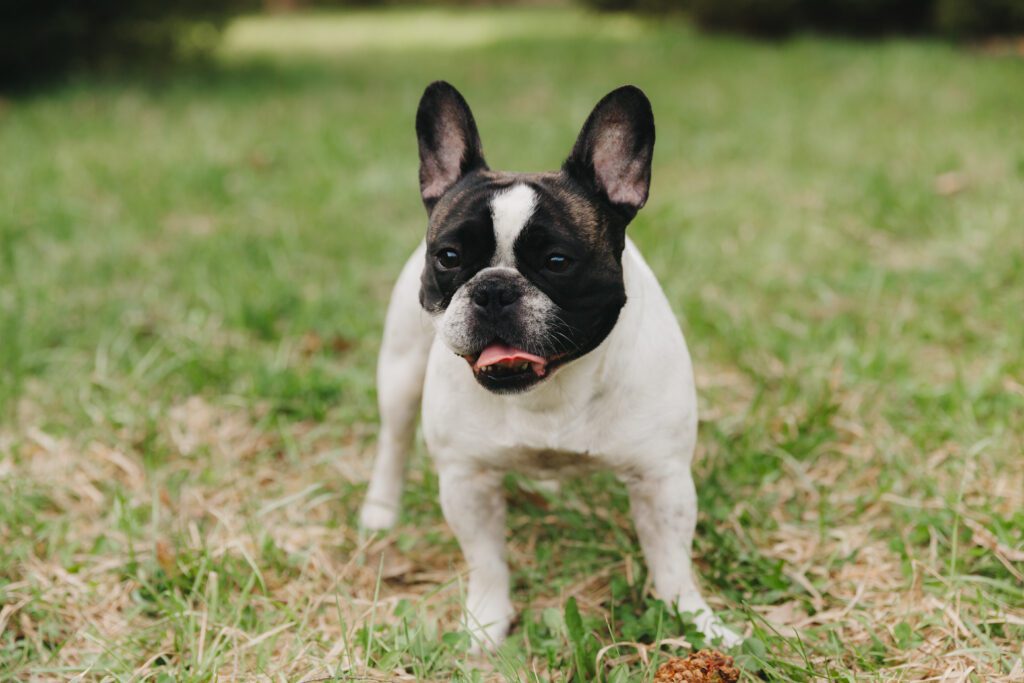
How Should I Train a Frenchton?Frenchtons are bright, social, and food motivated, which makes them responsive to positive reinforcement and short, upbeat sessions. Keep lessons brief at 5 to 10 minutes, use high-value treats, and reward calm behavior at doors, on leashes, and around guests. Early socialization with friendly dogs and people helps build confidence without overwhelming the dog. Common challenges include stubborn moments, distracted sniffing, and gentle pulling on leash. Consistency, clear cues, and generous rewards solve most issues. House training improves with a predictable schedule, frequent outdoor breaks, and crate training that teaches relaxation. Because Frenchtons can overheat, practice loose-leash walking and recall during cooler hours, and teach a settle cue that encourages rest. For structured guidance at home, explore Dog Academy’s online training courses, which provide step-by-step lessons for manners, leash skills, crate training, and confidence building. |
|
The ideal Virginia adopter wants a companion who thrives on togetherness, enjoys short adventures, and relaxes indoors during heat or cold. Families, retirees, and remote workers often do well if they can offer daily walks, gentle play, and regular veterinary care. A Frenchton fits best with adopters who value patience, kind training, and a climate-conscious routine.
Take your time, ask thoughtful questions, and prepare your home before you bring a dog into your life. When you are ready, explore current listings and start your application, and you will be on your way to adopting the right Frenchton in Virginia for your lifestyle.

Introducing a new puppy to your current dog is often an exciting process, and many dogs will become fast friends and eas...
Read More
Rescue dogs can make great companions and can transform your home into something better. These dogs make great pets and ...
Read More
You should never rush to pet a dog. Even dog owners make the mistake of approaching unfamiliar dogs and petting them rig...
Read More
Puppy mill dogs are survivors who have endured extreme hardships in their lives. They have grown up in horrendous, unsan...
Read More
With their wagging tails and comforting presence, adopting a dog can add a unique touch to your life. It’s a heart...
Read More
Older dogs may have a few gray hairs around the edges, but that doesn’t mean they can’t make wonderful companions! T...
Read More