



























































































































































































Introducing a new puppy to your current dog is often an exciting process, and many dogs will become fast friends and eas...
Read MoreAdopt Me

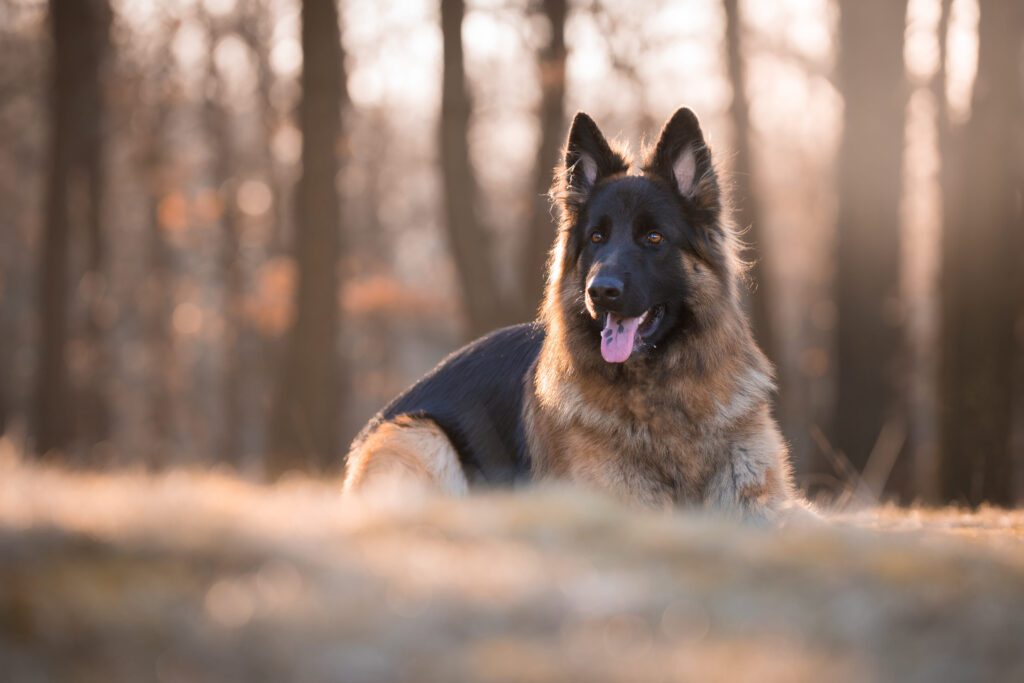
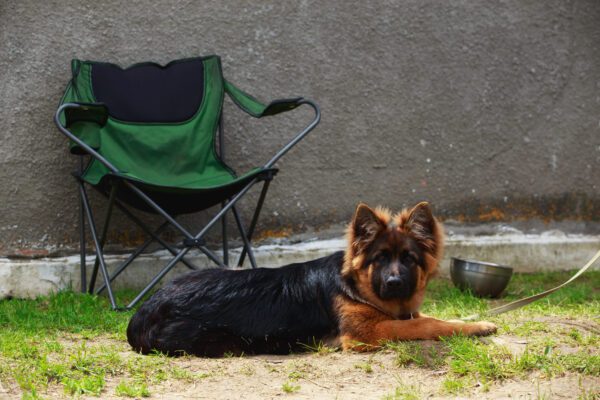
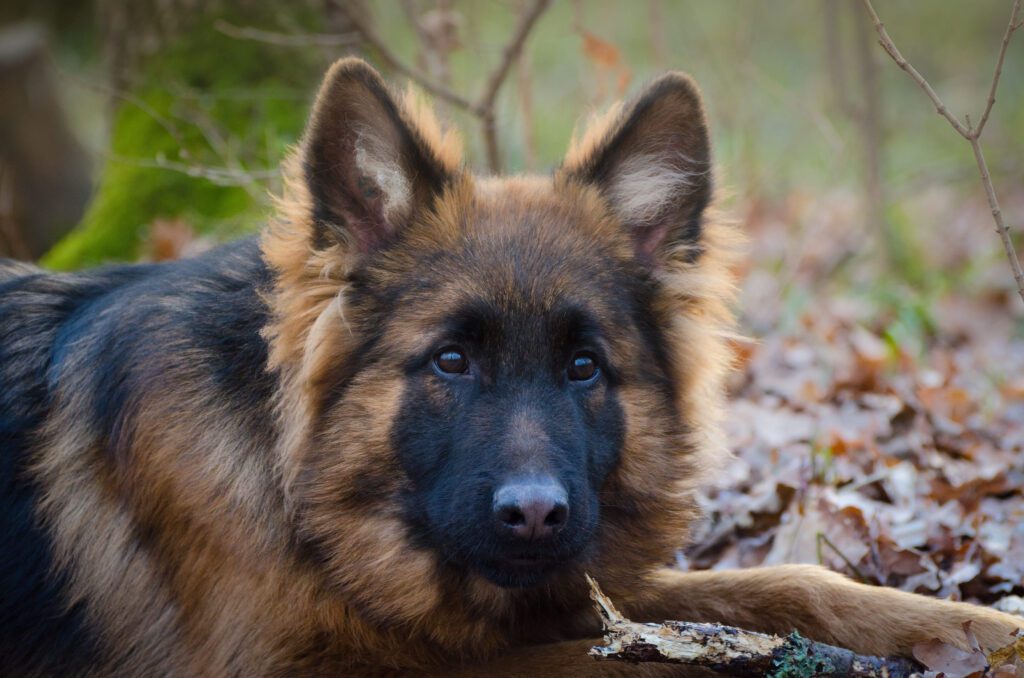
The King Shepherd is a large, confident, and devoted companion that combines intelligence with a gentle family spirit. This breed bonds deeply with people, stays alert without being nervous, and enjoys learning new tasks. Prospective adopters should research the breed’s exercise needs, grooming needs, and socialization needs before moving forward. Adoption gives a dog a second chance, reduces demand on shelters and rescues, and often provides post-adoption support that helps a new match succeed.
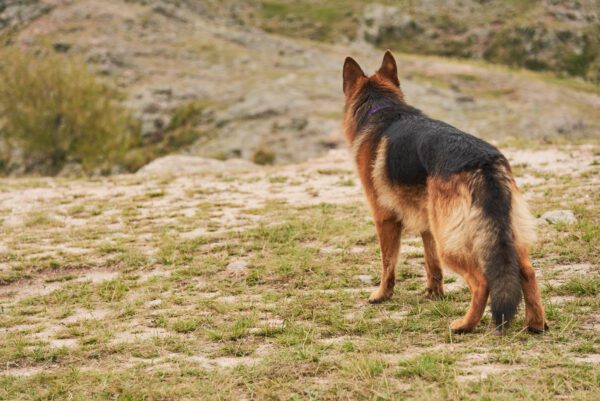
Virginia offers forests, beaches, and mountain trails that suit an athletic breed that loves long walks and structured play. Summers in Virginia are hot and humid, so a double-coated King Shepherd needs shade, fresh water, and rest during mid-day heat. Winters in Virginia range from mild to snowy depending on the region, which a well-groomed King Shepherd usually handles well. Suburban homes with yards work best, though city adopters can succeed with daily exercise, training, and mental enrichment.
You can avoid searching shelters and rescues one by one by using Dog Academy to browse current adoption listings across regions. Dog Academy centralizes available dogs, offers educational guides, and provides adoption checklists that help you prepare your home and schedule. Start by filtering for size, age, and location, then read each profile carefully to understand temperament, energy level, and any training notes that the current caretaker provides.
Adoptable King Shepherds appear through local animal shelters, regional rescues, and breed-specific rescue groups that focus on large working dogs. The process usually begins with an online application that verifies your housing, fencing, household schedule, and veterinary references. Many groups host a phone interview to discuss experience with large breeds and expectations for exercise and training. Meet-and-greets let you observe manners, reactivity, and comfort around family members. Home checks may occur virtually or in person to ensure safe containment, secure storage of cleaning supplies, and a quiet rest area. Approval timelines often range from a few days to 2 weeks depending on staff availability and how quickly references respond.
Some groups coordinate transport to move dogs between locations when local interest is low or when a foster home is available in another area. Transport is often arranged by rescues to move dogs between states or within Virginia when a better match is identified. You remain responsible for communication, scheduling, and any transport fees that the group outlines in writing. Read the adoption contract in full, ask for medical records, and request a clear training and decompression plan for the first 2 weeks at home. A prepared adopter reduces stress for the dog and sets a strong foundation for success.
|
How Much Does It Cost to Adopt a King Shepherd in Virginia?Most adopters in Virginia pay about $250 to $500 to adopt a King Shepherd through a shelter or rescue. Adult dogs tend to sit near the middle of that range, while puppies and dogs with extensive training or recent medical care often sit near the high end. Fees usually cover spaying or neutering, vaccinations, microchipping, and veterinary exams. Costs vary based on age, demand for the breed, length of time in foster care, and any specialized services such as dental cleanings, behavior assessments, or heartworm treatment. Always ask for a full cost breakdown that lists what the fee includes and any refundable training deposits. |
How Should I Train a King Shepherd?The King Shepherd is highly intelligent and learns quickly when training uses clear structure and positive reinforcement. Consistent rewards for calm behavior build focus and impulse control, which are essential for a powerful dog. Begin with foundation skills like name recognition, loose-leash walking, sit-stay, down-stay, and a reliable recall. Daily mental enrichment through scent games, puzzle feeders, and short training sessions prevents boredom and reduces problem behaviors. Early socialization with neutral dogs and well-managed public spaces helps a King Shepherd stay confident without becoming reactive. Many adopted dogs need help with crate training, alone-time practice, and polite greetings because prior routines were inconsistent. Keep sessions short, end on success, and avoid harsh corrections that can create anxiety. For step-by-step guidance, enroll in Dog Academy’s online training courses, which offer structured lessons for leash manners, reactivity management, and advanced obedience designed for large, working-breed dogs. |
|
The ideal adopter enjoys daily activity, values routine, and has time for training and enrichment. A fenced yard helps, though commitment to walks and mental work matters more than lot size. Prepare your home, gather supplies, and review training plans before you bring your dog home. Take your time, ask questions, and use Dog Academy resources to compare options so you adopt a King Shepherd in Virginia that fits your lifestyle for years to come.

Introducing a new puppy to your current dog is often an exciting process, and many dogs will become fast friends and eas...
Read More
Rescue dogs can make great companions and can transform your home into something better. These dogs make great pets and ...
Read More
You should never rush to pet a dog. Even dog owners make the mistake of approaching unfamiliar dogs and petting them rig...
Read More
Puppy mill dogs are survivors who have endured extreme hardships in their lives. They have grown up in horrendous, unsan...
Read More
With their wagging tails and comforting presence, adopting a dog can add a unique touch to your life. It’s a heart...
Read More
Older dogs may have a few gray hairs around the edges, but that doesn’t mean they can’t make wonderful companions! T...
Read More