



























































































































































































Introducing a new puppy to your current dog is often an exciting process, and many dogs will become fast friends and eas...
Read MoreAdopt Me





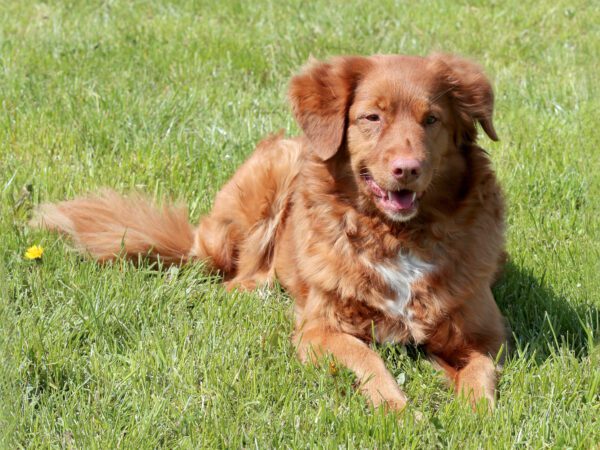
The Nova Scotia Duck Tolling Retriever is a compact, athletic retriever with bright eyes and a big heart. Tollers are playful, intelligent, and eager to work. Many families love their cheerful energy and their love of water. A Toller thrives when given daily exercise, consistent training, and time with people.
Research matters before you adopt. Tollers shed year round and have a dense double coat. They need mental games and structured activity to stay calm. Adoption gives a deserving dog a second chance and often includes essential veterinary care. Choosing adoption also supports responsible pet guardianship in your community.
Virginia offers strong possibilities for this breed. The state’s beaches, rivers, and lakes suit a water-loving retriever. Hikes in the Blue Ridge and long suburban walks provide regular exercise. Humid summers require shade and hydration, while cool winters fit a Toller’s weather-resistant coat. City life can work when you commit to daily activity and enrichment.
You can avoid searching rescues and shelters one by one by starting with Dog Academy. Browse current adoption listings, learn what each dog needs, and use educational guides and checklists to prepare your home. You can also look at local animal shelters, regional rescues, and breed-specific rescue groups that serve Virginia.
Begin by browsing listings to confirm fit. Read each profile carefully to understand age, temperament, and any medical or training needs. When a dog looks like a match, submit an application that describes your home, schedule, and experience. Many groups ask for references to confirm that the dog will live safely and will receive proper care.
Next, expect a phone interview and a meet-and-greet. The meeting helps you confirm compatibility with all family members. Some groups schedule a home check to see where the dog will sleep, where the dog will exercise, and how the yard is secured. Approval timelines vary by organization. Many adoptions in Virginia finalize within 1 to 3 weeks once all steps are complete.
Virginia adopters sometimes meet dogs at foster homes or adoption events. If your match is outside your area, rescues may arrange transport to move dogs between locations in a safe and organized way. Transport is often handled by volunteer drivers or licensed carriers, and it may involve health certificates and handoffs at planned stops. Coordinators keep you updated so you can prepare for pick up day.
|
How Much Does It Cost to Adopt a Nova Scotia Duck Tolling Retriever in Virginia?In Virginia, a realistic adoption fee for a Nova Scotia Duck Tolling Retriever is usually $300 to $550. Younger Tollers and highly social dogs often sit at the higher end because demand is strong. Senior dogs or dogs that need ongoing care may be lower, though medical costs can raise fees if recent treatment was extensive. Fees typically include spaying or neutering, vaccinations, microchipping, and veterinary exams. Costs also reflect age, prior training, recent medical care, and local demand for the breed. Many groups invest in dental care, heartworm testing, and behavioral support, which can influence the final fee. |
How Should I Train a Nova Scotia Duck Tolling Retriever?Tollers are quick learners with a big drive to work. They love games that use the nose and the mind. Positive reinforcement builds confidence and keeps a sensitive Toller engaged. Use short sessions, clear cues, and generous rewards to teach recall, loose-leash walking, and calm greetings. Aim for daily mental enrichment through fetch with rules, scent games, and puzzle feeders. Common challenges include over-excitement, vocalizing during play, and chasing wildlife. Prevent problems by meeting exercise needs and by practicing impulse control. Reward quiet behavior, teach a reliable settle on a mat, and build a strong recall away from distractions. For step-by-step help, explore Dog Academy’s online training courses. Courses cover foundation skills, cooperative care, and activities that channel retriever energy into healthy routines. |

|
The ideal Virginia adopter enjoys an active lifestyle and can offer daily exercise, consistent training, and time near water or trails. A fenced yard helps, though committed apartment dwellers can succeed with a reliable exercise plan. Grooming must be part of the routine because Tollers shed and need coat care.
Set yourself up for success by preparing your home, gathering supplies, and budgeting for training and veterinary care. Take your time, ask questions, and choose the dog that fits your energy and experience. With patience and preparation, you can adopt a Nova Scotia Duck Tolling Retriever in Virginia and build a happy, healthy life together.

Introducing a new puppy to your current dog is often an exciting process, and many dogs will become fast friends and eas...
Read More
Rescue dogs can make great companions and can transform your home into something better. These dogs make great pets and ...
Read More
You should never rush to pet a dog. Even dog owners make the mistake of approaching unfamiliar dogs and petting them rig...
Read More
Puppy mill dogs are survivors who have endured extreme hardships in their lives. They have grown up in horrendous, unsan...
Read More
With their wagging tails and comforting presence, adopting a dog can add a unique touch to your life. It’s a heart...
Read More
Older dogs may have a few gray hairs around the edges, but that doesn’t mean they can’t make wonderful companions! T...
Read More