

























































































































































































Introducing a new puppy to your current dog is often an exciting process, and many dogs will become fast friends and eas...
Read MoreAdopt Me



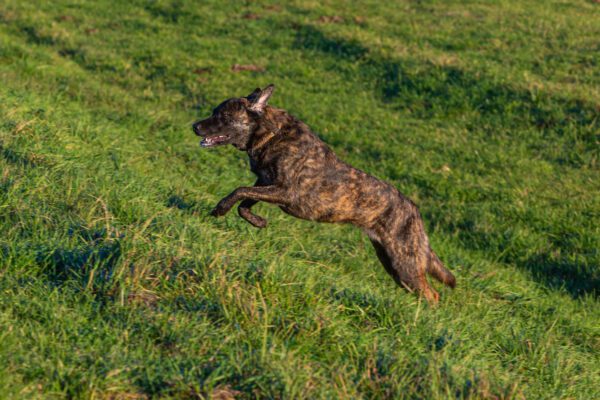
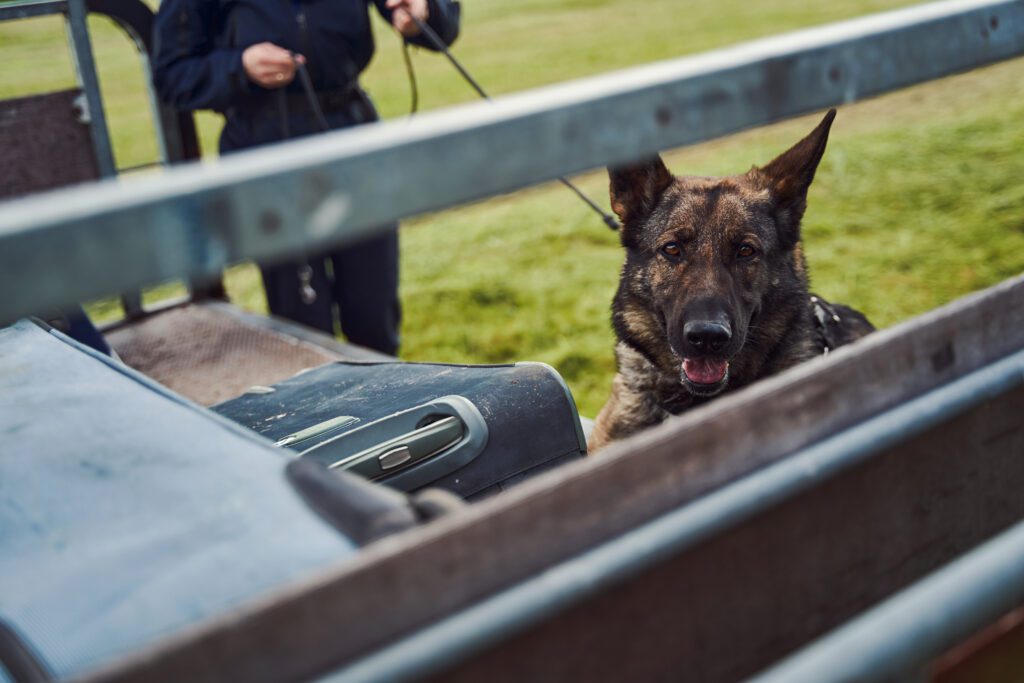
The Dutch Shepherd is an athletic, intelligent, and loyal herding breed that bonds closely with its family. This dog thrives on daily activity, problem solving, and clear structure. Careful research helps you match this high-energy working dog to your lifestyle before you take the next step. Adoption gives a deserving dog a second chance while reducing demand on breeders, which supports responsible canine welfare.
Virginia offers a strong fit for many Dutch Shepherds. The state’s mix of coastal plains, rolling Piedmont, and mountain trails gives you varied options for exercise and training. Summers in Virginia can be hot and humid, so you must manage heat with shaded walks and water breaks. Winters are moderate in many regions but can be cold in higher elevations, which this hardy breed typically handles with proper care. Urban living can work when you provide structured training and vigorous daily exercise, while suburban and rural homes often suit the breed’s need for space and jobs.
You can avoid searching shelters and rescues separately by using Dog Academy to browse Dutch Shepherd listings in one place. You can filter by age, size, and distance, then save favorites and set alerts. You can also read educational guides and adoption checklists from Dog Academy so you feel prepared at every step.
In Virginia, adoptable Dutch Shepherds may appear through local animal shelters, regional rescues, and breed-specific rescue groups. Start by reviewing each dog’s profile to understand temperament, energy level, medical history, and training background. Dutch Shepherds need daily mental work and consistent exercise, so be honest about your schedule, activity level, and experience with working breeds.
Once you find a match, you complete an application that usually asks for references, proof of residence, and landlord approval when you rent. Many groups arrange a meet-and-greet at the shelter, an adoption center, or a neutral park to assess fit with you and your household dogs. Home checks are common and may be in person or virtual to confirm safe fencing, secure storage for supplies, and a plan for exercise and training.
Approval timelines vary by organization and by dog. Straightforward applications often move within 3 to 14 days, while dogs that need specific placements can take longer. If your ideal match is outside your immediate area, rescues sometimes arrange transport to move dogs safely between locations, which means volunteers or professional drivers coordinate travel so the dog can reach an approved adopter.
|
How Much Does It Cost to Adopt a Dutch Shepherd in Virginia?Expect to pay approximately $250 to $550 to adopt a Dutch Shepherd in Virginia. Puppies and highly in-demand young adults tend to be near the top of that range, while seniors are often lower. Fees reflect the dog’s medical and training investment, regional demand, and time spent in foster care. Many groups include spaying or neutering, vaccinations, microchipping, and veterinary exams. Some dogs also receive heartworm testing, preventives, and behavior assessments that increase costs. Well-mannered dogs with basic obedience or crate training can be priced higher because training reduces your onboarding time. Medical treatments such as dental cleanings or specialist care can also influence fees. You should budget for essentials after adoption, including a well-fitted harness, a crate, quality food, and a training plan. |
How Should I Train a Dutch Shepherd?The Dutch Shepherd is highly intelligent and learns quickly when training stays clear, consistent, and rewarding. Positive reinforcement builds trust and channels drive into useful skills. Focus on engagement, impulse control, leash manners, and reliable recall. Early and ongoing socialization creates a confident dog that can settle in busy Virginia neighborhoods, parks, and trails. Common challenges include mouthing, herding behavior toward people or pets, and reactivity when under-exercised. Daily structure helps. Plan 60 to 90 minutes of physical activity paired with mental work like scent games, problem-solving toys, and focused obedience. Keep sessions short and upbeat to prevent frustration. For step-by-step guidance you can use Dog Academy’s online training courses, which cover puppy foundations, loose-leash walking, recall, and reactivity support so you can build skills at home. |
|
The ideal adopter enjoys an active lifestyle, values consistent training, and has time every day for exercise and enrichment. Families who like hiking, running, and structured play often find this breed a great partner. Apartment dwellers can succeed when they commit to daily outings and thoughtful mental work.
Preparation sets you and your dog up for success. Take time to research, meet multiple dogs, ask clear questions, and confirm support plans for training and veterinary care. When you feel ready, explore listings through Dog Academy and move at a pace that protects both your expectations and the dog’s long-term well-being.

Introducing a new puppy to your current dog is often an exciting process, and many dogs will become fast friends and eas...
Read More
Rescue dogs can make great companions and can transform your home into something better. These dogs make great pets and ...
Read More
You should never rush to pet a dog. Even dog owners make the mistake of approaching unfamiliar dogs and petting them rig...
Read More
Puppy mill dogs are survivors who have endured extreme hardships in their lives. They have grown up in horrendous, unsan...
Read More
With their wagging tails and comforting presence, adopting a dog can add a unique touch to your life. It’s a heart...
Read More
Older dogs may have a few gray hairs around the edges, but that doesn’t mean they can’t make wonderful companions! T...
Read More