



























































































































































































Introducing a new puppy to your current dog is often an exciting process, and many dogs will become fast friends and eas...
Read MoreAdopt Me

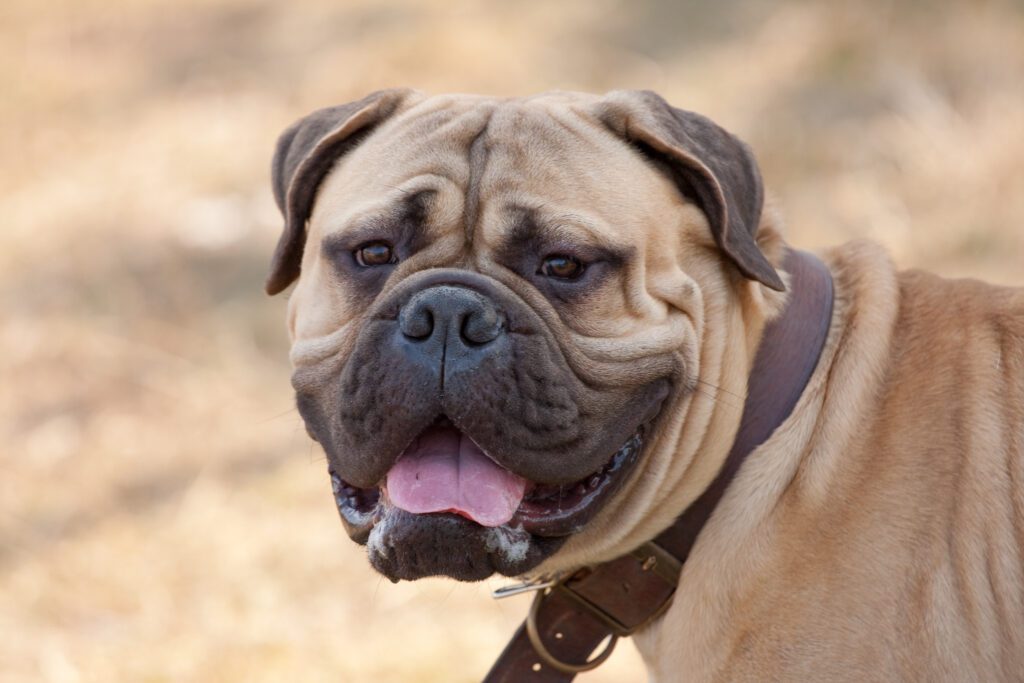
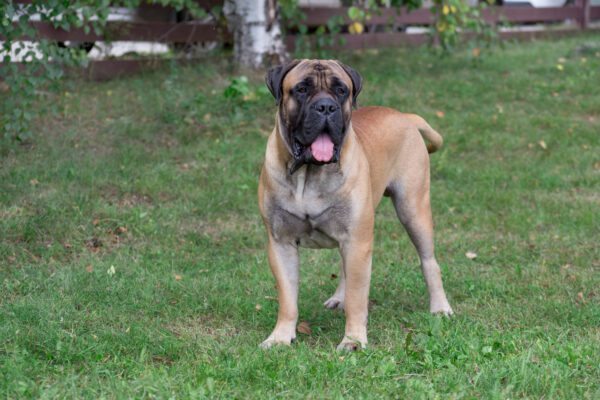
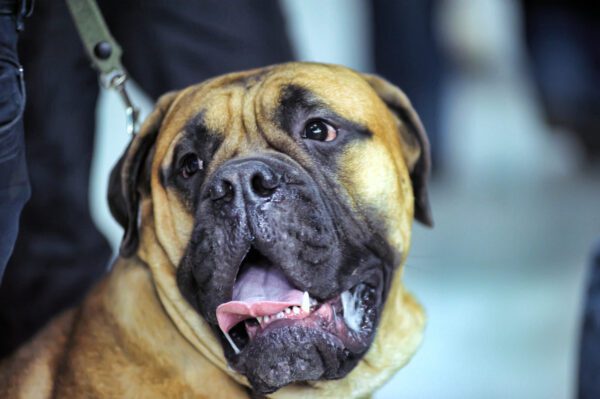
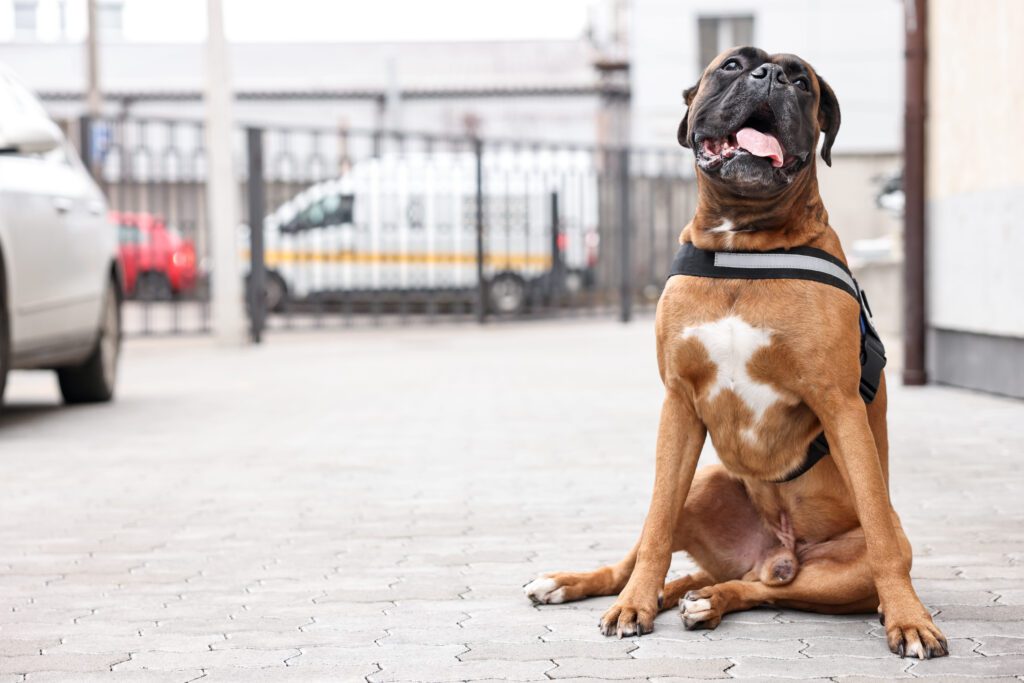
The Bullmastiff is a calm, confident, and devoted companion that bonds closely with its family. This powerful guardian is affectionate at home, steady with daily routines, and content with moderate exercise. The breed suits adopters who want a gentle giant that is watchful without being noisy.
Thoughtful research helps you understand size, temperament, health, and grooming before you bring a Bullmastiff home. Adoption is a compassionate choice because it gives a dog a second chance and supports ethical placement practices. You also gain transparency about temperament and needs through foster notes and behavior assessments.
Kansas offers wide-open spaces and a family-friendly pace that suits a Bullmastiff’s relaxed lifestyle. Hot summers mean you must schedule walks during cooler hours and provide shade and fresh water at all times. Cold winters call for shorter outings, traction on icy paths, and a warm indoor resting place. Suburban yards and rural properties work well when you maintain secure fencing and consistent supervision.
You can avoid searching shelters and rescues one by one by exploring listings on Dog Academy. You can filter for location, age, and temperament to find an excellent match. You can also use Dog Academy’s educational guides and adoption checklists to prepare your home and your schedule.
You can find adoptable Bullmastiffs through local animal shelters, regional rescues, breed-specific rescue groups, and foster networks. Start by browsing listings to learn about age, size, energy, and any medical or training notes. Read the full profile for each dog so that you understand daily needs and any placement requirements such as a fenced yard or no small pets.
Most organizations ask you to submit an application with proof of identification, references, and landlord approval if you rent. Many groups schedule a phone interview to confirm experience with large breeds and to discuss household routines. Home checks help confirm safe fencing, secure storage for medications and cleaning supplies, and adequate space for a large dog. Approval timelines vary by group and volunteer capacity, though many adoptions move from application to approval in 1 to 3 weeks.
Meet-and-greets allow you to evaluate compatibility and to see how the dog responds to family members. Introductions with resident pets should be slow and supervised so that everyone stays comfortable. Some groups offer foster-to-adopt trials that let you confirm fit before finalizing paperwork, which reduces returns and stress for the dog.
When the right match lives far away, rescues sometimes arrange transport between locations to move dogs safely from one shelter or foster home to another. Volunteers or licensed transporters coordinate schedules, health certificates, and handoffs so that the dog arrives with minimal stress. Some groups charge modest transport fees to cover fuel and care during travel, which they disclose before you commit.
|
How Much Does It Cost to Adopt a Bullmastiff in Kansas?Most adopters in Kansas pay $200 to $450 to adopt an adult Bullmastiff through a shelter or rescue. Puppies, when available, often range from $300 to $600 because demand is higher and veterinary care costs are greater. Fees vary with age, training, medical care, and regional demand. Larger dogs often require higher veterinary expenses, which can influence pricing. Adoption fees usually include spaying or neutering, vaccinations, microchipping, and veterinary exams. Many groups also provide deworming, heartworm testing, and a starter supply of preventives. Dogs that receive professional training, dental work, or treatment for orthopedic issues may cost more because the group recovers part of those expenses to continue lifesaving work. |
How Should I Train a Bullmastiff?The Bullmastiff is intelligent and eager to please but can be independent. Clear structure, gentle handling, and short training sessions help this breed focus. Early socialization teaches calm behavior around visitors, delivery workers, and other dogs. Because the Bullmastiff is large and strong, you should make manners training a priority from day one. Use positive reinforcement with food rewards, toys, and praise so that learning stays fun and reliable. Teach foundation skills such as name recognition, loose-leash walking, recall, settle on a mat, and leave it. Add impulse-control games that build patience and confidence. Consider muzzle training as a safety skill for veterinary care. If you want step-by-step support, explore Dog Academy’s online training courses for large-breed manners, leash skills, and confidence building. |
|
The ideal Bullmastiff adopter has a stable routine, a calm home, and the strength to manage a 100 to 130 pound dog kindly and confidently. A secure yard or a consistent walking schedule, a quality diet, and room for a large bed keep this breed comfortable. Regular grooming, routine veterinary care, and time for training complete the picture.
Preparation leads to a lifelong match. Take time to research, ask questions, and meet several candidates. When you are ready to adopt a Bullmastiff in Kansas, use the tools and listings available through Dog Academy, and move at a pace that feels right for you and your future companion.

Introducing a new puppy to your current dog is often an exciting process, and many dogs will become fast friends and eas...
Read More
Rescue dogs can make great companions and can transform your home into something better. These dogs make great pets and ...
Read More
You should never rush to pet a dog. Even dog owners make the mistake of approaching unfamiliar dogs and petting them rig...
Read More
Puppy mill dogs are survivors who have endured extreme hardships in their lives. They have grown up in horrendous, unsan...
Read More
With their wagging tails and comforting presence, adopting a dog can add a unique touch to your life. It’s a heart...
Read More
Older dogs may have a few gray hairs around the edges, but that doesn’t mean they can’t make wonderful companions! T...
Read More