














































































































































































Introducing a new puppy to your current dog is often an exciting process, and many dogs will become fast friends and eas...
Read MoreAdopt Me
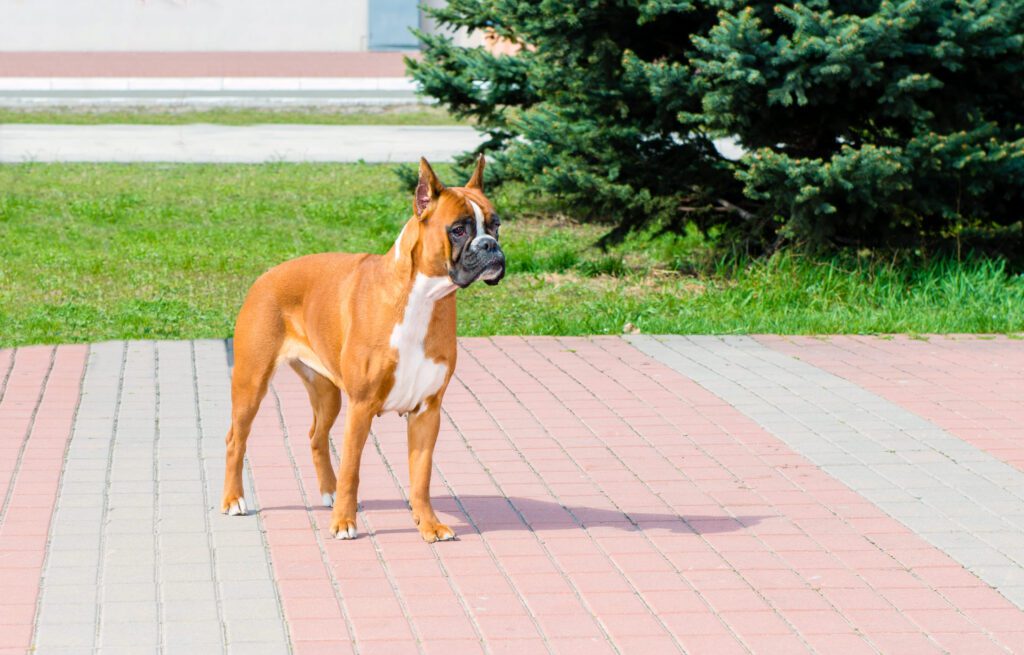
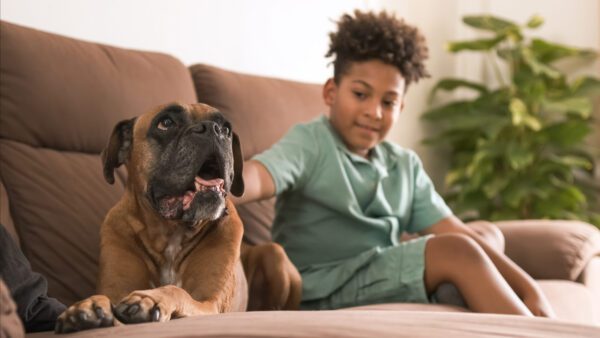
Boxers are energetic, affectionate, and deeply loyal. They bond closely with their families and shine as playful companions for active households. Their athletic build and goofy charm make daily life brighter, while their alert nature offers a confident presence at home. A Boxer thrives when given structure, exercise, and clear guidance.
Thoughtful research helps you match a Boxer’s needs with your lifestyle. Adoption allows you to welcome a dog whose health and temperament have been evaluated, while also creating space for another dog in need. Adoption often includes core veterinary care and support, which helps you start strong. Choosing adoption over buying supports responsible pet care and reduces the demand that fuels irresponsible breeding.
Maryland’s climate and geography bring both benefits and challenges for Boxers. Summers can be hot and humid, which means a Boxer’s short muzzle and low heat tolerance require shaded walks, cool water, and indoor rest during the hottest hours. Winters can be cold, especially in the west, so a warm jacket and limited time outdoors help. Many Maryland neighborhoods offer sidewalks, trails, and fenced dog parks, which support daily exercise. Apartment living can work when you commit to consistent walks and mental enrichment.
You can avoid searching shelters and rescues one by one by using Dog Academy. The platform gathers adoption listings in one place, which helps you compare dogs, review requirements, and contact organizations efficiently. Dog Academy also provides educational guides and adoption checklists that help you prepare every step.
Adoptable Boxers in Maryland are found through local animal shelters, regional rescues, breed-specific rescue groups, and foster networks. Start by browsing listings, reading each dog’s bio, and noting details such as age, energy level, and known training. Ask clear questions about medical history, behavior with children or other pets, and any special needs. Understanding Boxer traits is essential, since this breed needs daily exercise, structure, and positive training.
When you find a good match, you submit an application. Most applications request personal references, proof of housing, and landlord permission if you rent. Many groups schedule a phone interview to confirm expectations and discuss care plans. Timelines vary, but approval often takes 1 to 3 weeks depending on volunteer availability and home-check scheduling.
Meet-and-greets allow you to observe how the dog engages with you and your family. Some organizations require a home check to confirm safety, secure fencing if required, and space for rest and feeding. Many groups also offer trial periods or foster-to-adopt options, which let you confirm the fit before finalizing. If your match is outside your immediate area, rescues sometimes arrange transport to move dogs between locations using volunteer drivers or trusted carriers. Transport typically delivers the dog to a central meeting point or directly to Maryland, and the rescue explains schedules, fees, and safety protocols in advance.
|
How Much Does It Cost to Adopt a Boxer in Maryland?In Maryland, most adopters pay $250 to $450 for an adult Boxer through shelters or breed-focused rescues. Puppies usually range from $400 to $600 due to higher demand and added veterinary care. Fees vary with age, training investment, medical treatment, and length of stay in care. Adoption fees commonly include spaying or neutering, vaccinations, microchipping, and veterinary exams. Many organizations also provide heartworm testing, deworming, and a starter supply of preventives. A dog that received specialized care such as dental work or orthopedic treatment may have a higher fee, while a senior Boxer may have a lower fee to encourage adoption. |
How Should I Train a Boxer?Boxers are bright, eager, and people focused, which makes them highly trainable. They learn best through positive reinforcement that uses food, toys, and praise. Short sessions, clear cues, and consistent expectations support fast progress. Early socialization builds confidence in new places and around friendly dogs, which helps a young Boxer channel excitement into polite behavior. Common challenges include jumping, mouthing, and leash pulling. Focus on foundation skills such as sit, down, stay, come, and loose-leash walking. Add impulse-control games that teach your Boxer to wait calmly for doors, food bowls, and greetings. Crate training and enrichment toys reduce boredom and help prevent destructive chewing. For structured guidance at home, explore Dog Academy’s online training courses, which cover obedience, leash manners, impulse control, crate training, and real-world problem solving for energetic breeds. |

|
The ideal Boxer adopter enjoys daily activity, provides patient training, and offers plenty of companionship. Families with children can succeed when they supervise interactions, teach calm greetings, and maintain a steady routine. A yard is helpful but not required when walks, play, and mental exercise are part of every day.
Preparation sets you and your dog up for success. Plan a budget for food, routine veterinary care, and training. Gather essentials such as a crate, leash, harness, and chew-safe toys. Take time to research, ask questions, and move at a thoughtful pace. With careful planning and the right match, you can adopt a Boxer in Maryland and enjoy a lifetime of joyful, loyal companionship.
Introducing a new puppy to your current dog is often an exciting process, and many dogs will become fast friends and eas...
Read More
Rescue dogs can make great companions and can transform your home into something better. These dogs make great pets and ...
Read More
You should never rush to pet a dog. Even dog owners make the mistake of approaching unfamiliar dogs and petting them rig...
Read More
Puppy mill dogs are survivors who have endured extreme hardships in their lives. They have grown up in horrendous, unsan...
Read More
With their wagging tails and comforting presence, adopting a dog can add a unique touch to your life. It’s a heart...
Read More
Older dogs may have a few gray hairs around the edges, but that doesn’t mean they can’t make wonderful companions! T...
Read More