



























































































































































































Introducing a new puppy to your current dog is often an exciting process, and many dogs will become fast friends and eas...
Read MoreAdopt Me
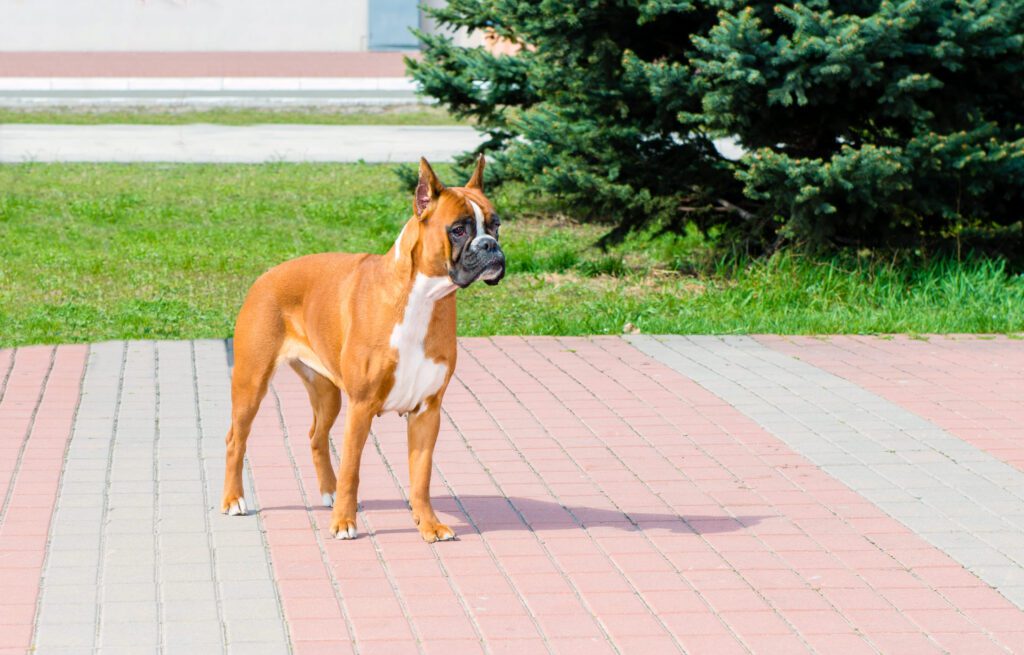
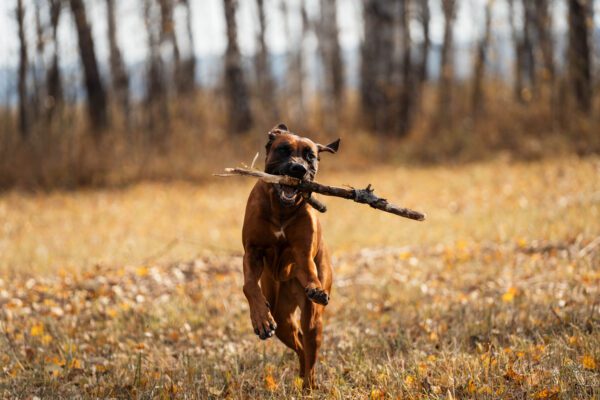
Boxers are affectionate, athletic, and goofy dogs that love people and thrive on attention. A well-bred and well-trained Boxer offers reliable companionship, sharp intelligence, and a playful spirit. Families often choose this breed for a mix of loyalty and humor, along with a natural desire to stay close to their people.
Research matters before you adopt a Boxer in Illinois. The breed has high energy and needs daily exercise, mental enrichment, and consistent training. Adoption is preferable to buying because it helps a dog in need while reducing demand on crowded shelters and rescues. Illinois offers parks, neighborhoods, and trails that suit an active Boxer, yet the climate requires planning. Summers can be hot and humid, which can stress a short-nosed dog. Winters can be very cold and windy, which can chill a short-coated dog.
Illinois adopters can succeed with simple adjustments. Plan early morning or evening walks during summer and carry water on every outing. Provide a warm coat, booties, and shorter outdoor sessions during winter. City living can work well with daily walks and indoor play. Suburban and rural homes can offer fenced spaces for safe sprints and games.
You can avoid searching local rescues and shelters one by one by starting with Dog Academy. The adoption listings gather dogs from many sources so you can browse in one place. Dog Academy also provides educational guides and printable adoption checklists that explain preparation, supplies, and first-week routines.
Adoptable Boxers appear through local animal shelters, regional rescues, breed-specific rescue groups, and foster networks. Begin by browsing listings, reading each profile carefully, and confirming age, size, energy level, and any medical notes. A good profile will describe temperament, training progress, and the type of home the dog needs.
Most groups use an application that asks about lifestyle, schedule, housing, fencing, and experience. Many groups verify landlord approval and veterinary references. Some groups request virtual or in-person home checks to confirm safety and readiness. Meet-and-greets help assess compatibility with all household members, including resident pets and children.
Approval timelines vary by group and by the number of applicants. A straightforward shelter adoption can finalize within a few days. A rescue adoption with a foster-to-adopt period can take 1 to 3 weeks from application to pickup. Some rescues arrange transport between locations to move dogs from crowded shelters to approved adopters. Transport is often volunteer driven or supported by professional carriers, and the group coordinates schedules and safe handoffs.

|
How Much Does It Cost to Adopt a Boxer in Illinois?Most Illinois adopters pay about $200 to $450 for an adult Boxer and about $350 to $600 for a puppy. Senior dogs can be lower, often around $100 to $250, especially when groups promote seniors to encourage adoption. Fees vary based on age, training, medical care, and demand for the breed. The fee usually includes spaying or neutering, vaccinations, microchipping, and veterinary exams. Many groups also include heartworm testing, deworming, and a brief behavioral assessment. Costs rise when a dog receives advanced medical treatment or professional training, and costs can be lower when sponsors offset care for seniors or special-needs dogs. |
How Should I Train a Boxer?Boxers are bright, eager, and people focused. The breed learns quickly when sessions stay upbeat and clear. Positive reinforcement works best because a Boxer responds to rewards, praise, and play. Short sessions with high-value treats keep attention and help the dog practice reliable behaviors. Common challenges include jumping on guests, pulling on leash, mouthing during play, and impulsive greetings with other dogs. Begin with foundation skills that teach focus and self-control. Practice sit, down, stay, leave it, hand target, and loose-leash walking. Provide daily outlets like fetch, tug with rules, scent games, and puzzle feeders to reduce excess energy. Consistent structure creates success for this breed. Use the same cues, reward calm choices, and manage the environment to prevent rehearsal of bad habits. Crate training and reliable house routines help a young Boxer settle and rest. For step-by-step lessons, enroll in Dog Academy’s online training courses to build manners, leash skills, polite greetings, and a dependable recall. |

|
The ideal Illinois adopter enjoys daily exercise, structured routines, and time for training and enrichment. A Boxer fits best with owners who plan smart activity in summer heat and warm protection in winter cold. Preparation leads to a smoother transition and a safer first month.
Take your time, read every profile closely, and ask direct questions about health, temperament, and energy needs. When you adopt a Boxer in Illinois with a clear plan for training, exercise, and climate care, you set the stage for a healthy, joyful partnership that lasts for years.

Introducing a new puppy to your current dog is often an exciting process, and many dogs will become fast friends and eas...
Read More
Rescue dogs can make great companions and can transform your home into something better. These dogs make great pets and ...
Read More
You should never rush to pet a dog. Even dog owners make the mistake of approaching unfamiliar dogs and petting them rig...
Read More
Puppy mill dogs are survivors who have endured extreme hardships in their lives. They have grown up in horrendous, unsan...
Read More
With their wagging tails and comforting presence, adopting a dog can add a unique touch to your life. It’s a heart...
Read More
Older dogs may have a few gray hairs around the edges, but that doesn’t mean they can’t make wonderful companions! T...
Read More