























































































































































































Introducing a new puppy to your current dog is often an exciting process, and many dogs will become fast friends and eas...
Read More
How to Introduce a New Puppy to Your Dog

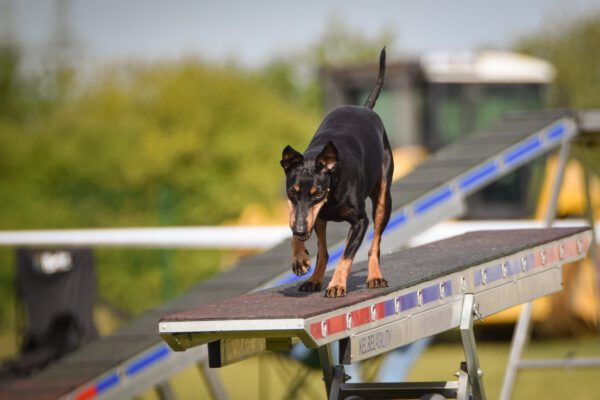
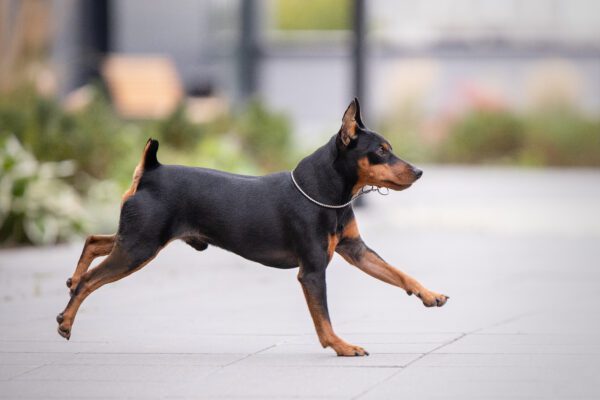
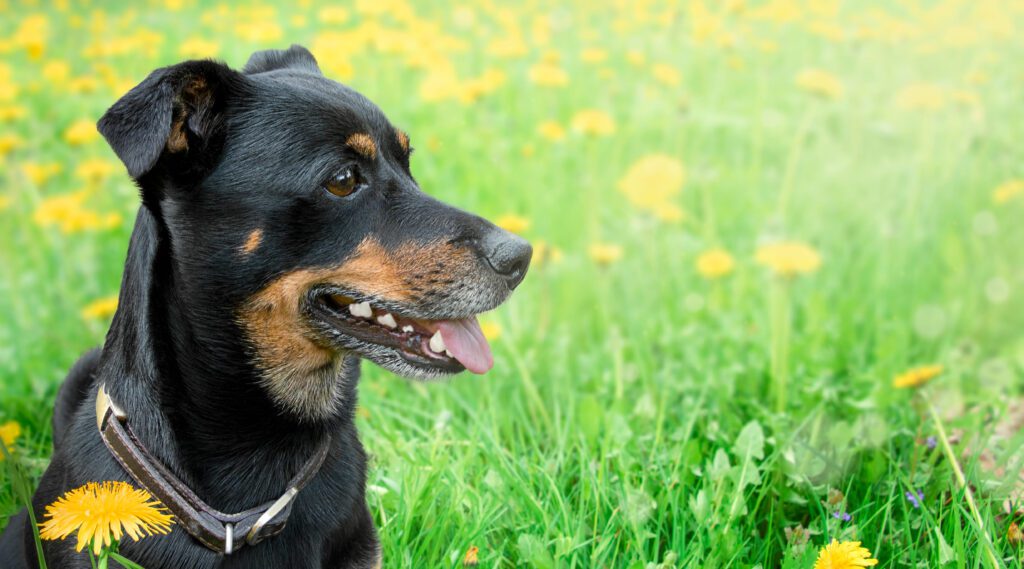
The German Pinscher is confident, spirited, and deeply loyal. This medium athlete is quick to learn and eager to work, which makes daily training and exercise both rewarding and necessary. Many families love the breed’s alert nature, sleek look, and playful attitude. Thoughtful research helps you match this energetic companion with your home and routine.
Adoption gives a deserving dog a second chance and supports responsible animal welfare. It also provides transparency about temperament and health, since many adopters receive detailed behavior notes and medical records. Before you adopt, study the breed’s exercise needs, impulse control challenges, and watchdog instincts, and be honest about your time and space.
Illinois offers a good home for a German Pinscher when owners plan for climate and geography. Winters are cold and windy, and the breed’s short coat needs a warm jacket, limited exposure during deep freezes, and careful paw care on salted sidewalks. Summers can be hot and humid, which calls for shaded walks, cool water, and rest during peak heat. Urban neighborhoods, suburban blocks, and rural properties can all work. Daily outlets such as brisk walks, structured play in fenced areas, and short training sessions will keep a German Pinscher content.
You can skip searching shelters and rescues one by one by starting with adoption listings on Dog Academy. You can browse breed filters, set location preferences, and review profiles in one place. You can also use Dog Academy’s educational guides and adoption checklists to prepare your home, plan supplies, and set realistic expectations.
Prospective adopters in Illinois usually look at local animal shelters, regional rescues, and breed-specific rescue groups. Listings describe age, size, energy level, personality notes, and any special needs. Read each bio closely and ask questions about exercise tolerance, sociability with other pets, and response to training. Understanding German Pinscher traits helps you choose a dog whose drive and confidence match your lifestyle.
The process begins with browsing listings and submitting an application. Applications ask about your schedule, housing, fencing, and prior dog experience. Many groups conduct a phone interview to discuss routines, training plans, and safety. Next comes a meet-and-greet where you spend time with the dog, practice simple cues, and observe manners on leash. Some organizations complete a home check, which verifies secure doors and gates, removes hazards, and confirms safe storage for food and medications. Virtual home checks are common when in-person visits are not possible.
Approval timelines vary by organization and by the dog’s needs. Straightforward applications often move from approval to adoption within 1 to 3 weeks. Dogs with medical care needs or behavior plans may require a longer match process. If a great match is located outside your immediate area, rescues sometimes arrange transport to move dogs between shelters or states. Transport can be managed by volunteers or by paid services, and most groups explain schedules, safety protocols, and fees before you commit.
|
How Much Does It Cost to Adopt a German Pinscher in Illinois?Most adopters in Illinois should expect an adoption fee between $250 and $500 for a German Pinscher. Puppies can cost $400 to $650 due to preventive care and high demand. Senior dogs can range from $100 to $300 when groups aim to encourage placements. Fees vary with age, prior training, recent medical care, and how many applications a specific dog receives. Adoption fees usually include spaying or neutering, vaccinations, microchipping, and veterinary exams. Many groups also provide deworming, heartworm testing, and a starter supply of preventives. Recent dental work, orthopedic treatment, or extensive behavior support can raise fees within the typical range. Urban organizations may charge toward the higher end to cover medical costs and transport coordination. |
How Should I Train a German Pinscher?The German Pinscher is intelligent, athletic, and determined. The breed learns quickly when the plan is clear and engaging. Short sessions with rewards keep focus high, while daily routines build consistency. Positive reinforcement creates reliable behavior without damaging trust, and it works especially well for impulse control, polite greetings, and loose-leash walking. Common challenges include high prey drive, guarding tendencies, and pushy play. Teach solid foundation skills early. Prioritize name response, hand target, settle on a mat, leave it, drop it, and recall in fenced areas. Provide mental enrichment with puzzle feeders, scent games, and obedience drills. Manage the environment to prevent rehearsal of chasing wildlife or bolting through doors. If you want a structured plan, try Dog Academy’s online training courses. Step-by-step lessons cover socialization, leash skills, crate training, and advanced cues. Courses offer guidance for busy owners, and they help you translate daily life into consistent, reward-based practice. |
|
The ideal Illinois adopter enjoys daily activity, values structure, and commits to kind training. A secure yard or reliable leash plan is important, and so is time for enrichment and companionship. Families with older children who understand dog boundaries often do well with this confident breed.
Preparation leads to success. Take time to learn the breed, gather supplies, and review adoption listings with patience. When you find a dog whose energy and temperament match your routine, you set the stage for a lasting and joyful partnership in Illinois.
Introducing a new puppy to your current dog is often an exciting process, and many dogs will become fast friends and eas...
Read More
Rescue dogs can make great companions and can transform your home into something better. These dogs make great pets and ...
Read More
You should never rush to pet a dog. Even dog owners make the mistake of approaching unfamiliar dogs and petting them rig...
Read More
Puppy mill dogs are survivors who have endured extreme hardships in their lives. They have grown up in horrendous, unsan...
Read More
With their wagging tails and comforting presence, adopting a dog can add a unique touch to your life. It’s a heart...
Read More
Older dogs may have a few gray hairs around the edges, but that doesn’t mean they can’t make wonderful companions! T...
Read More