


























































































































































































Introducing a new puppy to your current dog is often an exciting process, and many dogs will become fast friends and eas...
Read MoreAdopt Me

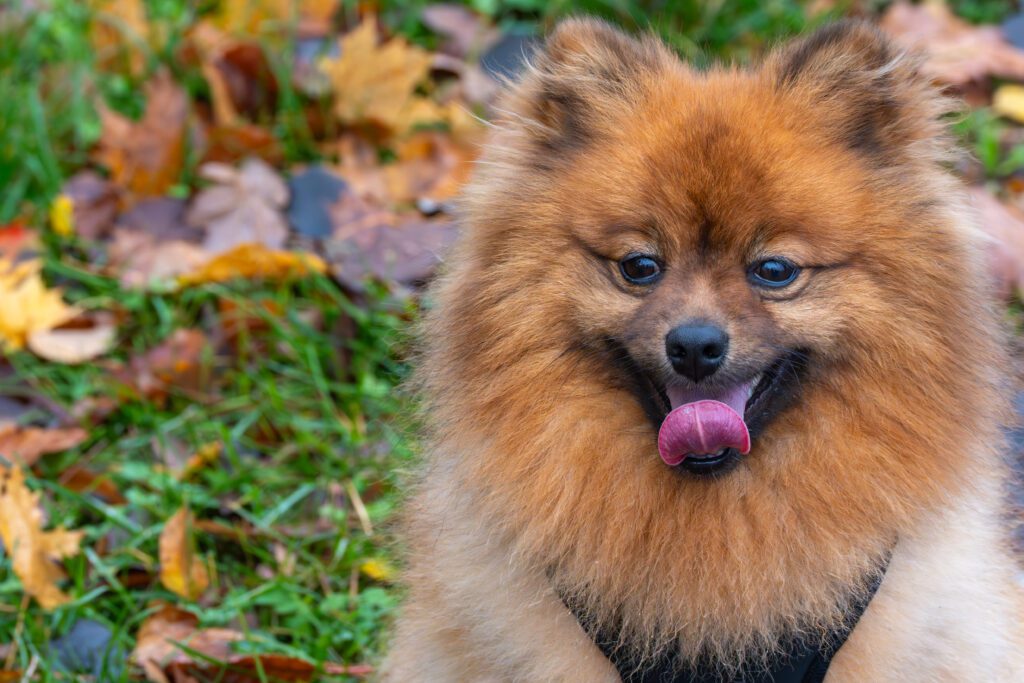
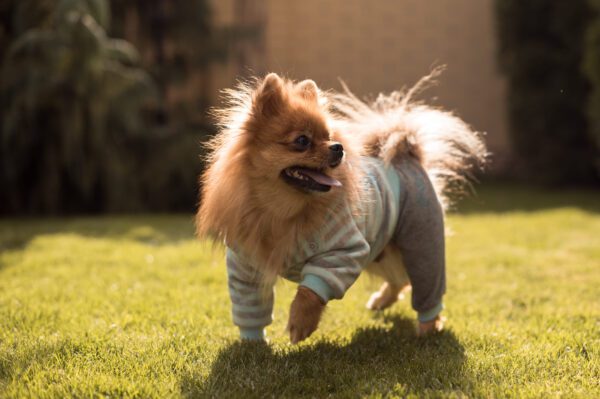
The German Spitz is bright, loyal, and lively. This compact companion carries a plush double coat, a foxlike face, and a quick mind that loves games and gentle challenges. The breed bonds closely with family and stays alert, which makes the dog an attentive watchdog and a cheerful everyday partner.
Thoughtful research protects both you and the dog. Adoption helps you understand temperament, energy level, and medical history before you commit. Adopting rather than buying gives a deserving dog a second chance, supports ethical placement, and often includes essential veterinary care that lowers your initial costs. Illinois offers many opportunities for this breed. The cold winters suit the dense coat, while hot and humid summers require shade, fresh water, and air conditioning to prevent overheating. Urban apartments, suburban neighborhoods, and small-town settings all work when daily walks, short play sessions, and mental enrichment are part of the routine.
Illinois winters bring snow, wind, and ice, which the German Spitz tolerates well with a quality coat and proper paw care. Summers along the prairie and near the lake can feel muggy, so plan outings during cooler hours. Active households that enjoy brisk walks, quick training games, and cozy evenings will find the German Spitz a delightful fit.
You can save time by browsing adoptable dogs through Dog Academy. You can view available German Spitz dogs across local animal shelters, regional rescues, and breed-specific rescue groups in one place rather than searching each organization separately. You can also use Dog Academy to access educational guides and adoption checklists that help you prepare your home, your schedule, and your budget.
Start by reviewing listings closely. Read each profile for age, size, temperament notes, medical history, and care needs. A good listing explains energy level, comfort with children or other pets, and any training that the dog already completed. Understanding these details helps you match the dog’s exercise and grooming needs to your lifestyle in Illinois.
When you find a promising match, you complete an application. Most groups ask for personal information, landlord permission if you rent, proof of identification, and veterinary references when available. After an initial review, many groups schedule a meet-and-greet. A proper meet-and-greet allows the whole household to interact with the dog in a calm, supervised setting. If you have another dog, the group often arranges a dog-to-dog introduction to check compatibility. Some groups conduct a home check. A home check can be virtual or in person, and it confirms safe fencing, secure gates, covered trash, and a tidy space for the dog to rest.
Approval timelines vary by group and by dog. Straightforward cases can take 3 to 7 days. More complex cases that require additional references or training plans can take 1 to 3 weeks. After approval, you sign an adoption agreement and pay the adoption fee. Some groups offer a short transition period with coaching support. If the best match is outside your area, rescues sometimes arrange transport to move dogs between locations. Transport is often coordinated by volunteers or licensed services and includes a health certificate, a confirmed route, and a set pickup time.

|
How Much Does It Cost to Adopt a German Spitz in Illinois?In Illinois, a realistic adoption fee for a German Spitz is usually $300 to $550. Puppies and highly in-demand dogs often sit near the top of that range, while adult dogs with established behavior notes often sit near the middle. Fees reflect costs that the group already covered, which often include spaying or neutering, vaccinations, microchipping, and veterinary exams. The final fee can shift based on age, training, medical care, and local demand. A dog that received recent dental work or allergy treatment can cost more because the group invested in care. A dog that completed basic manners or crate training can also cost more because training adds value and saves you time. |
How Should I Train a German Spitz?The German Spitz is intelligent and learns quickly when sessions stay short, upbeat, and consistent. The breed loves to solve problems and thrives when rewarded with food, toys, or praise. Use positive reinforcement to shape polite behaviors that you want to see every day. Mark desired behaviors, reward promptly, and end while your dog still wants more. Common challenges include alert barking, independence, and sensitivity to rough handling. Teach a quiet cue, reinforce calm at the window, and practice place training to settle on a mat. Build strong recall with a long line in safe spaces, and introduce new people and dogs at a comfortable pace. Handle paws, ears, and collar gently to prepare for grooming and veterinary visits. If you want structured guidance, explore Dog Academy’s online training courses, which offer step-by-step lessons for obedience, impulse control, cooperative care, and leash skills. Daily mental enrichment keeps this bright dog content. Rotate puzzle feeders, scatter food for sniffing games, and mix in 2 or 3 brief training sessions. Consistency builds confidence, and a confident German Spitz settles more easily in busy Illinois settings. |
|
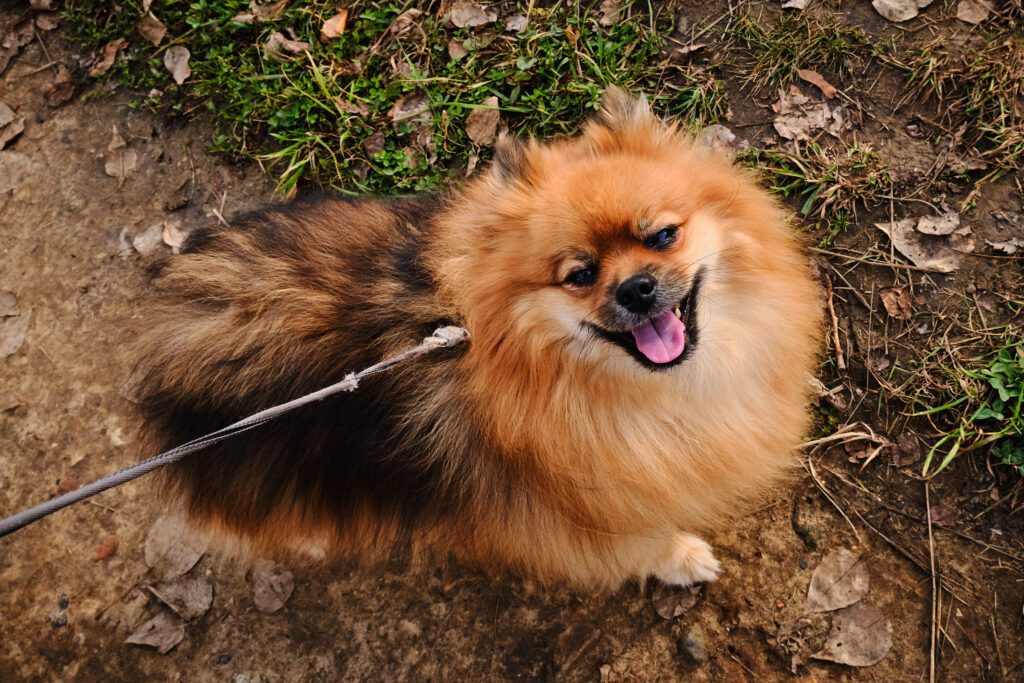
The ideal adopter enjoys daily walks, structured play, and regular grooming. A good match is ready to guide a smart, chatty dog with kind boundaries and clear routines. Preparation matters. Set a budget, gather supplies, and plan a training schedule before you bring your dog home.
Take your time, ask clear questions, and make choices that fit your lifestyle. With thoughtful research and steady training, you can adopt a German Spitz in Illinois and enjoy a loyal companion for many years.

Introducing a new puppy to your current dog is often an exciting process, and many dogs will become fast friends and eas...
Read More
Rescue dogs can make great companions and can transform your home into something better. These dogs make great pets and ...
Read More
You should never rush to pet a dog. Even dog owners make the mistake of approaching unfamiliar dogs and petting them rig...
Read More
Puppy mill dogs are survivors who have endured extreme hardships in their lives. They have grown up in horrendous, unsan...
Read More
With their wagging tails and comforting presence, adopting a dog can add a unique touch to your life. It’s a heart...
Read More
Older dogs may have a few gray hairs around the edges, but that doesn’t mean they can’t make wonderful companions! T...
Read More