



























































































































































































Introducing a new puppy to your current dog is often an exciting process, and many dogs will become fast friends and eas...
Read MoreAdopt Me



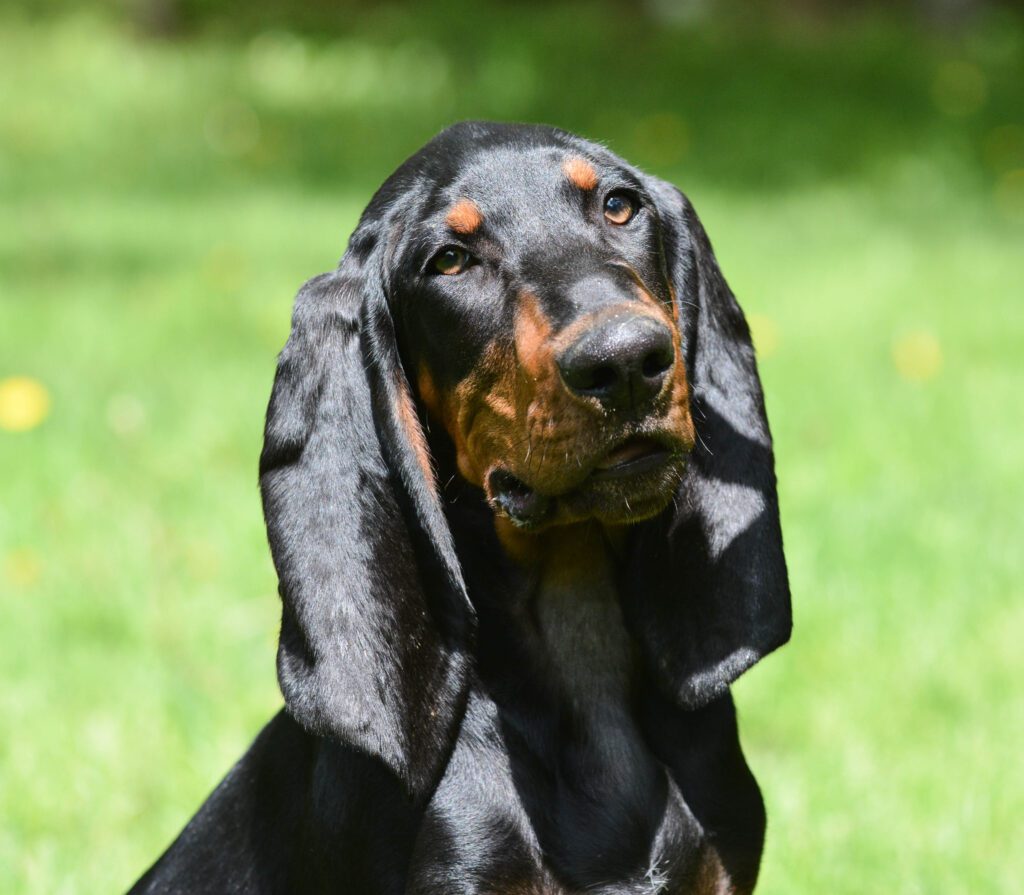
The Bloodhound is a gentle, devoted scent hound with legendary tracking ability and a patient, affectionate nature. The breed bonds deeply with family, shows kindness with children, and thrives when given a job that engages the nose. A Bloodhound brings a big heart, a booming voice, and a steady, methodical energy that fits an active home that values routine and time outdoors.
Research matters before you adopt. A Bloodhound has strong scent drive, large size, and a talent for following interesting trails. You must plan daily exercise, committed training, and safe management. Adoption is often the best path because it supports life-saving work, includes essential veterinary care, and pairs you with counselors who know the breed and can suggest a good match for your lifestyle.
Illinois offers great options for this breed. Forest preserves, prairie paths, and suburban neighborhoods provide space for long sniff walks. Cold winters are manageable with movement and a warm indoor space. Hot and humid summers require shade, water, and rest during peak heat. City living can work with structure, elevator etiquette, and multiple daily walks. A fenced yard helps because a Bloodhound will follow a scent with single-minded focus.
You can skip searching rescues and shelters one by one by using Dog Academy to browse current adoption listings in one place. You can also use Dog Academy’s educational guides and adoption checklists to prepare your home, your schedule, and your budget. You gain a faster path to a safe match and a smoother first month with your new hound.
In Illinois, you will find adoptable Bloodhounds through local animal shelters, regional rescues, and breed-specific rescue groups. Start by browsing listings, then read each profile carefully. Focus on age, energy level, medical notes, and known behavior. Bloodhounds often excel in calm homes that offer long sniff walks, secure fencing, and patient training. If a profile mentions a fence requirement or a home without small pets, respect those guidelines because they protect the dog’s welfare.
Once you find a match, complete an online application that includes your household details, your schedule, and your experience with large dogs. Most organizations request references and a landlord approval letter when you rent. Many groups schedule a meet-and-greet to confirm fit with every family member. Home checks are common for large scent hounds to verify safe fencing, secure gates, and a plan for containment at doors and driveways.
Approval timelines vary by dog and by organization. Straightforward adult adoptions often take 1 to 2 weeks from application to pickup. Puppies and special placements can take 2 to 4 weeks due to higher demand and additional screening. If your ideal dog is outside your immediate area, ask about transport. Transport is often arranged by rescues to move dogs between states using volunteer drivers or licensed carriers. You may pay a modest transport fee to cover fuel and safe crating.

|
How Much Does It Cost to Adopt a Bloodhound in Illinois?In Illinois, expect to pay about $200 to $450 to adopt an adult Bloodhound through a shelter or rescue. Puppies and highly trained adults often range from $450 to $650 due to demand and higher veterinary costs. Fees usually include spaying or neutering, vaccinations, microchipping, and veterinary exams. Many groups also include heartworm testing and initial prevention. Age, medical history, and training influence price. Older dogs and dogs with ongoing medical needs may be on the lower end to encourage placement. Young adults with recent training or puppies with growing demand often cost more. Some organizations adjust fees during promotions, but the included care keeps overall value strong and predictable. |
How Should I Train a Bloodhound?Bloodhounds are intelligent and independent. They love to work with their noses, yet they can ignore cues when a scent is interesting. Use positive reinforcement, frequent rewards, and short, upbeat sessions. A front-clip harness helps manage pulling while you teach loose-leash walking. A long line in safe spaces lets the dog practice recall while still enjoying a rich scent environment. Focus on cues that matter most for safety. Teach a reliable recall, a solid stay at doors, and a calm settle after exercise. Add enrichment like tracking games, scatter feeding, and hide-and-seek searches to satisfy the nose. Consistency and patience build trust. For step-by-step support, explore Dog Academy’s online training courses for leash skills, recall foundations, crate training, and scent work. These lessons turn natural instincts into structured, rewarding routines. |
|
The ideal Bloodhound adopter enjoys long daily walks, accepts drool with a smile, and keeps a secure home and yard. The adopter values patient training, routine grooming for long ears and skin folds, and steady mental exercise through nose work and calm problem solving. Families who like outdoor time and predictable schedules tend to thrive with this breed.
Prepare your home, set realistic expectations, and take your time. Review listings, ask thoughtful questions, and match the dog’s needs to your lifestyle. With careful planning, Illinois offers the trails, parks, and community support that help a Bloodhound settle and shine. Start with Dog Academy to find a safe match and bring home a devoted companion.

Introducing a new puppy to your current dog is often an exciting process, and many dogs will become fast friends and eas...
Read More
Rescue dogs can make great companions and can transform your home into something better. These dogs make great pets and ...
Read More
You should never rush to pet a dog. Even dog owners make the mistake of approaching unfamiliar dogs and petting them rig...
Read More
Puppy mill dogs are survivors who have endured extreme hardships in their lives. They have grown up in horrendous, unsan...
Read More
With their wagging tails and comforting presence, adopting a dog can add a unique touch to your life. It’s a heart...
Read More
Older dogs may have a few gray hairs around the edges, but that doesn’t mean they can’t make wonderful companions! T...
Read More