



























































































































































































Introducing a new puppy to your current dog is often an exciting process, and many dogs will become fast friends and eas...
Read MoreAdopt Me




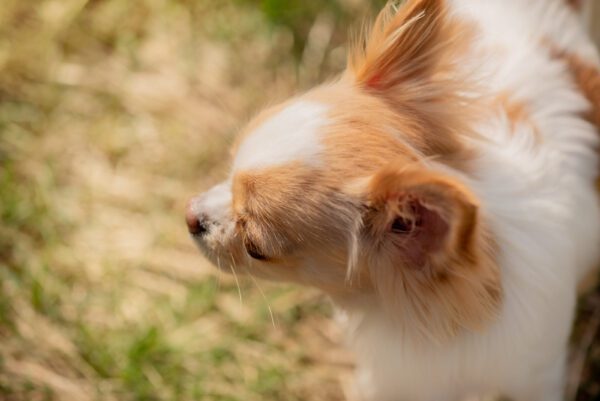
An Apple Head Chihuahua is tiny, bright, and full of personality. The breed bonds closely with a favorite person, stays alert, and thrives on companionship. The small size works well for apartments and condos, and the loyal nature makes the breed a loving housemate for people who enjoy close contact and daily routines.
Good research makes every adoption smoother. Understanding the breed’s energy level, grooming needs, and health sensitivities helps you plan responsibly. Adoption benefits the dog and your community because it opens space for another dog in need and often includes important veterinary care that supports long-term health.
Illinois offers many advantages for this breed along with a few challenges. Cold winters in Illinois require sweaters, booties, and short outdoor trips, because Chihuahuas have thin coats and lose heat quickly. Hot and humid summers also call for shade, water, and limited midday exercise. Urban living in cities works well thanks to short exercise needs and easy access to indoor enrichment. Rural areas call for close supervision outside, because a small dog can be vulnerable to wildlife. With the right preparation, an Apple Head Chihuahua can thrive anywhere in the state.
You can skip separate searches of shelters and rescues by starting with statewide listings on Dog Academy. You can review available Apple Head Chihuahuas across Illinois in one place and move quickly when you find a great match. Dog Academy also offers educational guides and adoption checklists that help you prepare for each step.
You can also look for adoptable dogs through local animal shelters, regional rescues, and breed-specific rescue groups. Read each profile carefully so you understand age, temperament, medical history, and any training needs. Apple Head Chihuahuas often prefer gentle handling and a calm home, so note whether the dog is comfortable with children, other dogs, or cats.
The process usually starts with browsing listings and submitting an application. Most organizations ask for information about your home, schedule, landlord approval when you rent, and current pets. A volunteer or staff member reviews your application, contacts your references, and schedules a meet-and-greet. A meet-and-greet allows you to observe the dog’s comfort level, energy, and manners, and it gives the dog a chance to relax around you.
Home checks are common for small breeds because safety matters. A home check verifies secure fences or leash plans, safe stairs, and managed gaps where a tiny dog could slip through. Timeline to approval often ranges from a few days to a few weeks, and it depends on application volume and the organization’s process. Some rescues arrange transport to move dogs between locations after approval. Transport is typically handled by volunteers or contracted drivers who move dogs safely from one facility or foster home to another, and the group will explain pickup plans and any added fees in advance.

|
How Much Does It Cost to Adopt a Apple Head Chihuahua in Illinois?In Illinois, a realistic adoption fee for an Apple Head Chihuahua usually falls between $250 and $600. Puppies and highly social adults tend to be near the top of that range, while seniors and special-needs dogs may be lower. Fees reflect the cost of spaying or neutering, vaccinations, microchipping, and veterinary exams. Costs also vary based on age, prior training, dental care, and demand in busier metro areas where veterinary expenses are higher. |
How Should I Train a Apple Head Chihuahua?Apple Head Chihuahuas are sharp, observant, and eager to learn when training stays fun and consistent. Short sessions work best. Aim for 3 to 5 minutes, several times a day. Use positive reinforcement with treats, toys, and praise. Reward calm behavior, polite greetings, and relaxed handling. A harness is a smart choice for walks, because a harness helps protect a small trachea and gives you gentle control. Common challenges include barking, house training, and defensiveness when a dog feels overwhelmed. Teach a quiet cue by rewarding silence after a single alert bark, and build a reliable settle on a mat for guests and busy hallways. House training improves when you keep a strict schedule, use frequent outdoor breaks, and provide a covered potty area during snow or heavy rain. Early socialization to people, dogs, and city sounds builds confidence and reduces reactivity. Gentle handling exercises teach the dog to enjoy nail trims and grooming, which helps a small dog feel safe. For structured guidance, explore Dog Academy’s online training courses. Step-by-step lessons make it easy to teach foundation skills like sit, stay, come, and loose-leash walking. You can also follow targeted programs for house training, polite leash manners, and reduced barking that fit the needs of a small companion breed. |

|
The ideal owner enjoys close companionship, gentle handling, and a predictable routine. An Apple Head Chihuahua suits apartments, condos, and quiet homes, and the breed does well with adults or families with dog-savvy older children. A good match includes someone who can protect the dog from extreme cold and heat, provide daily enrichment, and manage safe socialization.
Take your time, prepare your home, and ask thoughtful questions at each step. Gather supplies in advance, set up safe spaces, and review training plans. When you feel ready, start with Dog Academy to explore adoptable dogs across Illinois and to build the skills that help your new companion settle in with confidence.

Introducing a new puppy to your current dog is often an exciting process, and many dogs will become fast friends and eas...
Read More
Rescue dogs can make great companions and can transform your home into something better. These dogs make great pets and ...
Read More
You should never rush to pet a dog. Even dog owners make the mistake of approaching unfamiliar dogs and petting them rig...
Read More
Puppy mill dogs are survivors who have endured extreme hardships in their lives. They have grown up in horrendous, unsan...
Read More
With their wagging tails and comforting presence, adopting a dog can add a unique touch to your life. It’s a heart...
Read More
Older dogs may have a few gray hairs around the edges, but that doesn’t mean they can’t make wonderful companions! T...
Read More