















































































































































































Introducing a new puppy to your current dog is often an exciting process, and many dogs will become fast friends and eas...
Read MoreAdopt Me

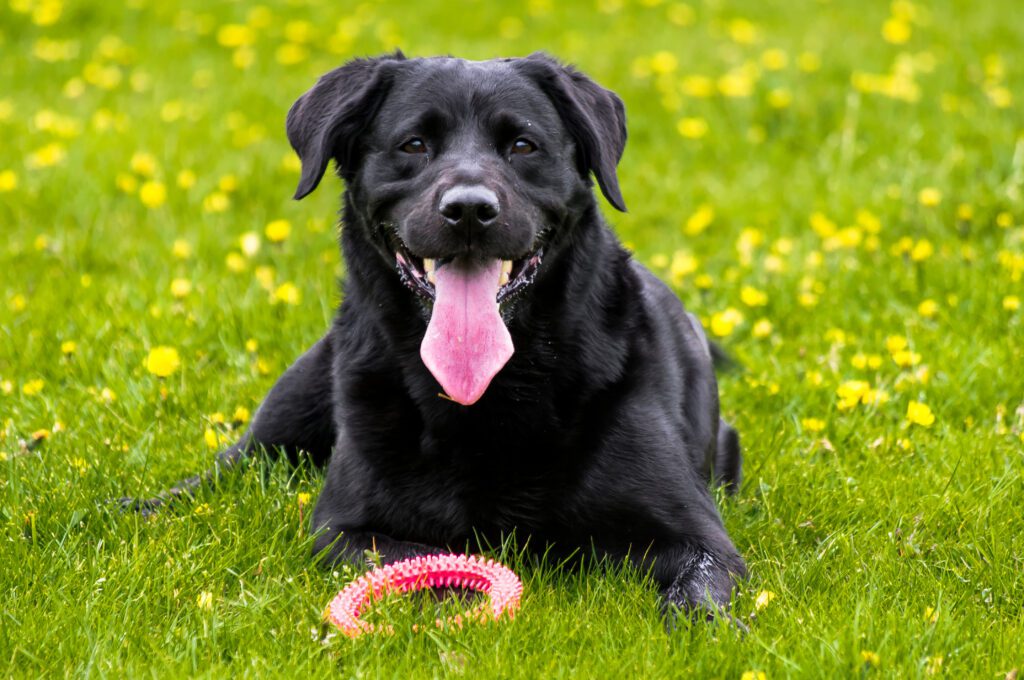
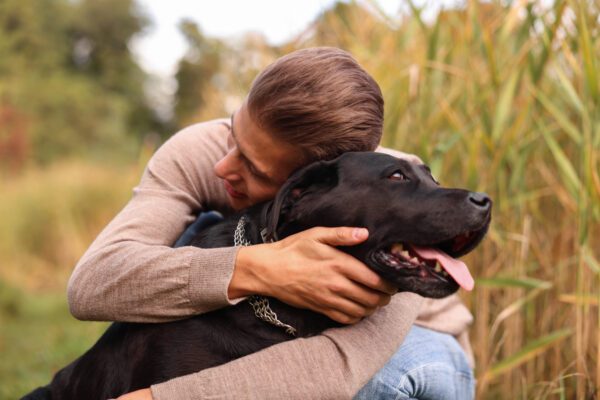
Black Labs win hearts with a friendly nature, quick learning, and an easygoing temperament. Most enjoy people of all ages, bond closely with families, and greet new experiences with curiosity. Their athletic build and love of retrieving make them wonderful companions for active households that value daily walks, play, and training.
Thoughtful research sets you and your dog up for success. Adoption gives a dog a second chance and supports the work of shelters and rescues that evaluate, care for, and match dogs with responsible homes. A well matched adoption reduces stress for both the dog and the adopter and it helps ensure long term stability.
Illinois can be a great fit for a Black Lab. The state’s cold winters suit a Lab’s dense double coat, though icy sidewalks call for paw care and shorter sessions during extreme wind chills. Summers run hot and humid, so you must plan shaded walks and water breaks to prevent overheating. From lakefront paths to suburban neighborhoods and quiet rural roads, Illinois offers room to exercise. Apartment living can work if you provide daily activity and mental enrichment, while homes with fenced yards make outdoor play easier.
You can skip separate searches of rescues and shelters by using Dog Academy to browse adoptable Black Labs across Illinois. The listings make it easy to compare ages, temperaments, and needs in one place. You can also find educational guides and adoption checklists that help you prepare before you apply.
Adoptable Black Labs appear through local animal shelters, regional rescues, and breed specific rescue groups. Start by browsing listings, then read each profile fully. Look for details about energy level, comfort with children or other pets, house training, and any medical or behavioral notes. Write down questions so you can follow up with the placement coordinator.
Most organizations use a straightforward application. Expect to share your household details, schedule, experience with dogs, and landlord approval if you rent. References are common. Some groups request a virtual or in person home check to confirm safe fencing, secure trash storage, and a plan for exercise and supervision. Approval timelines often run 3 to 10 days for straightforward cases, and longer if the dog has high demand or special needs.
After approval, you will schedule meet and greets. These visits let you observe manners, handling tolerance, and how the dog engages with you. Introductions with resident pets happen in neutral spaces when possible, and staff or volunteers guide the process to keep interactions calm and safe. Finalizing the adoption involves signing an agreement that outlines care expectations, veterinary follow ups, and return policies that protect the dog if circumstances change.
Some rescues arrange transport to move dogs between locations when a good match is outside the immediate area. Transport means coordinated travel using volunteer drivers or licensed carriers, with health records reviewed before departure and scheduled handoffs at designated stops. A transport fee may be added to cover fuel and care during the trip.
|
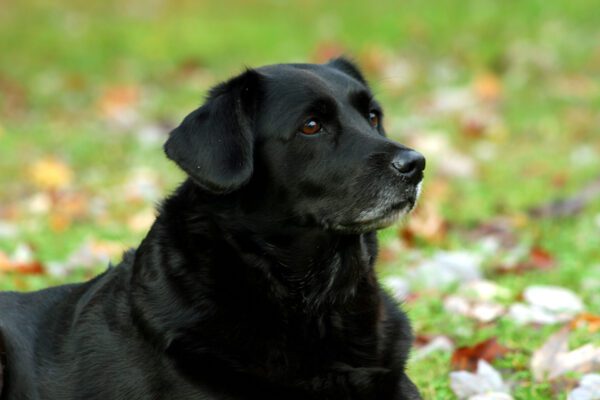
How Much Does It Cost to Adopt a Black Lab in Illinois?Most adopters in Illinois pay $250 to $450 for an adult Black Lab. Puppies often range from $400 to $600 due to higher demand and preventive care. Fees are typically higher in large metro areas and lower in smaller communities, though well vetted dogs with training may cost more anywhere. Adoption fees usually include spaying or neutering, vaccinations, microchipping, and veterinary exams. Costs vary based on age, training, medical care provided before adoption, and regional demand. A healthy adult with basic manners may sit near the middle of the range, while a puppy with complete preventive care or a dog that received dental work or specialized treatment may be at the top of the range. |
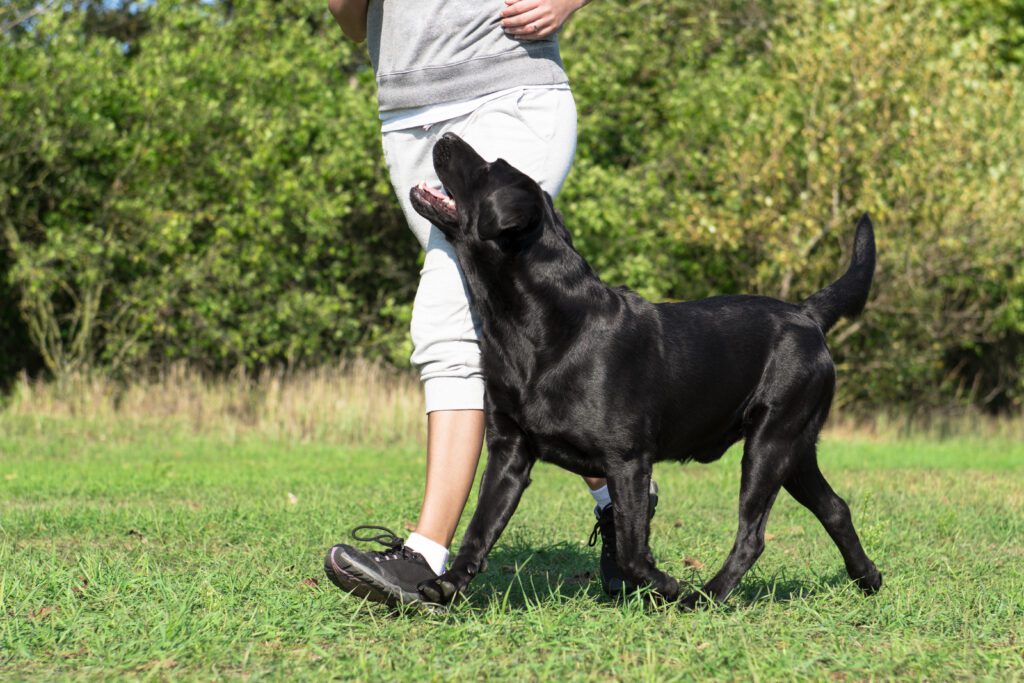
How Should I Train a Black Lab?Black Labs are intelligent, eager to please, and very food motivated, which makes positive reinforcement a winning approach. Reward sits, downs, recalls, and loose leash walking with small treats and praise. Short sessions delivered several times per day help your dog focus and retain new skills. Common challenges include jumping when excited, pulling on leash, and mouthing during play. You can prevent jumping by reinforcing a sit for greetings and by turning away the moment paws leave the ground. You can reduce pulling by teaching a reliable heel and by rewarding position next to your leg every few steps. You can curb mouthing by trading toys for hands and by practicing a strong drop it. Daily physical exercise paired with puzzle feeders, snuffle mats, and scent games channels energy into healthy outlets. Consistency builds confidence. Start with quiet spaces, increase distractions slowly, and celebrate small wins. If you want structured guidance, explore Dog Academy’s online training courses for step by step lessons on obedience, loose leash walking, recall, and polite manners that fit busy Illinois schedules. |
|
The ideal adopter enjoys daily activity, plans for regular training, and has time for companionship. A Black Lab thrives with clear routines, mental enrichment, and patient leadership. Families with children can succeed when adults manage interactions and model calm play. Singles and couples do well when they set consistent exercise and enrichment goals.
Preparation makes adoption smooth. Set a budget for supplies and veterinary care, puppy proof your home, and map out a first week routine with rest, potty breaks, and short training sessions. Take your time, ask questions, and choose the dog whose needs match your lifestyle. When you are ready, browse listings and move forward with confidence knowing you have a plan for lifelong care and learning.
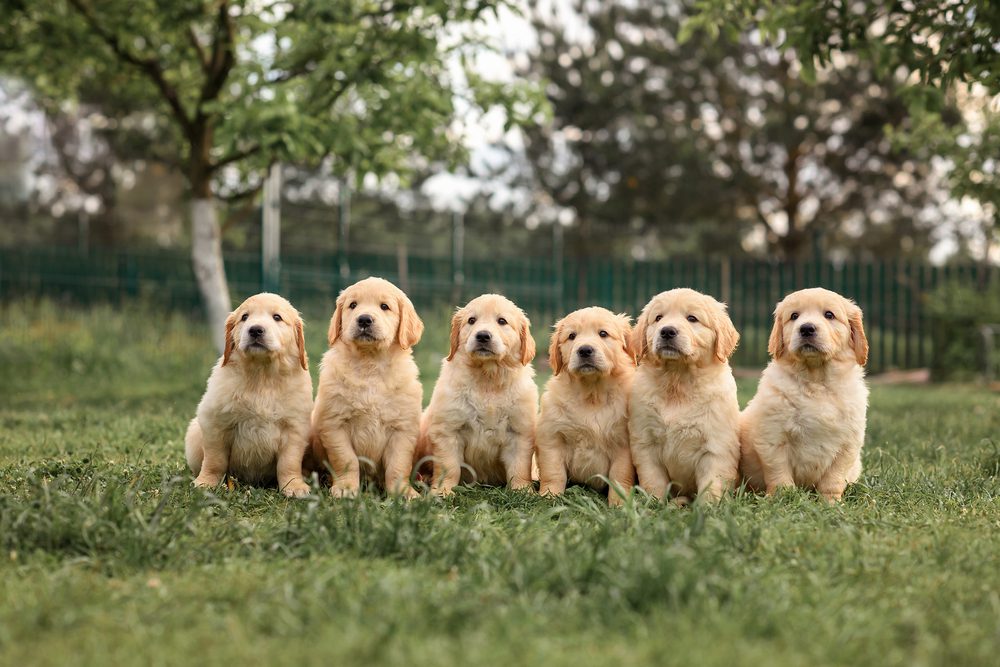
Introducing a new puppy to your current dog is often an exciting process, and many dogs will become fast friends and eas...
Read More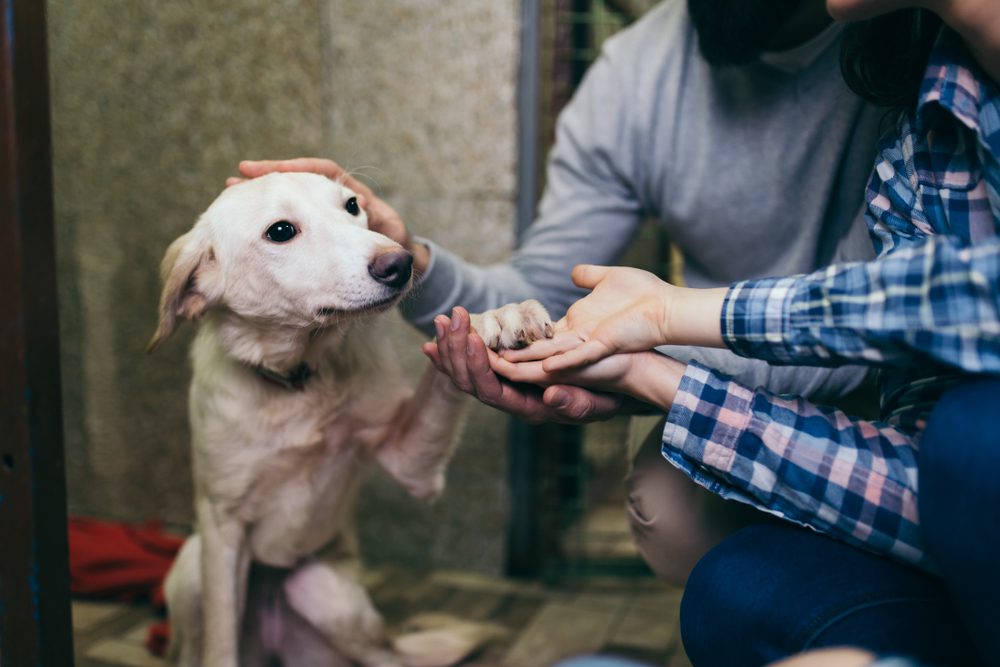
Rescue dogs can make great companions and can transform your home into something better. These dogs make great pets and ...
Read More
You should never rush to pet a dog. Even dog owners make the mistake of approaching unfamiliar dogs and petting them rig...
Read More
Puppy mill dogs are survivors who have endured extreme hardships in their lives. They have grown up in horrendous, unsan...
Read More
With their wagging tails and comforting presence, adopting a dog can add a unique touch to your life. It’s a heart...
Read More
Older dogs may have a few gray hairs around the edges, but that doesn’t mean they can’t make wonderful companions! T...
Read More