























































































































































Introducing a new puppy to your current dog is often an exciting process, and many dogs will become fast friends and eas...
Read MoreAdopt Me

Miss Chestnut - pending
Hillside, IL
Breed: Nova Scotia Duck-Tolling Retriever
Sex: Female
Age: puppy




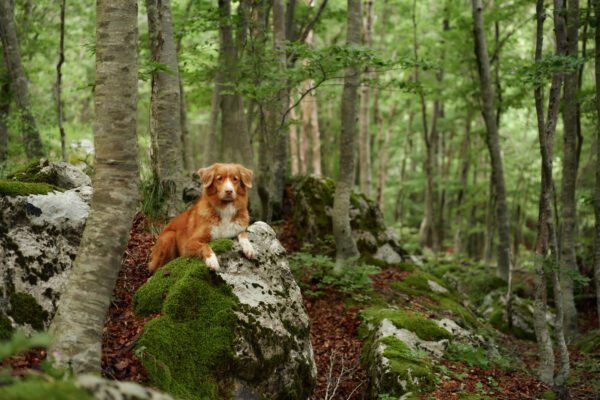
The Nova Scotia Duck Tolling Retriever is an energetic, intelligent, and affectionate companion that thrives with active families. This breed loves to retrieve, enjoys water, and bonds closely with people. Careful research before adoption matters because Tollers need daily exercise, mental challenges, and steady training. Adoption gives a deserving dog a new start and helps reduce overcrowding in shelters and rescues.
Illinois offers four true seasons. The Toller’s double coat handles cold winters well, which suits life near windy lakefronts or snowy suburbs. Humid summers require shade, fresh water, and rest during the hottest hours. The state’s mix of urban neighborhoods, quiet suburbs, and rural farmland can all work. City life demands planned walks, enrichment, and training time. Suburban and rural homes benefit from yards and access to trails or lakes. An Illinois home that supports daily activity and calm downtime will set a Toller up for success.
You can avoid searching shelters and rescues one by one by browsing adoptable dogs on Dog Academy. The listings help you compare dogs from different sources in one place. Dog Academy also provides educational guides and adoption checklists that explain what to expect, how to prepare your home, and how to choose a dog that fits your lifestyle.
Start by checking local animal shelters, regional rescues, and breed-specific rescue groups. You can browse profiles that list age, size, temperament notes, and medical history. Filter by location and consider nearby states if Illinois availability is limited. Many groups update listings daily, so consistent checking increases your chances of finding a good match.
Most organizations use a straightforward process. You submit an application that covers your experience, schedule, housing rules, and veterinary history. You may be asked for references and proof of landlord approval when relevant. Review teams look for a stable routine, a safe home, and a plan for training and exercise. Timelines vary, but approvals in Illinois often take 1 to 3 weeks depending on volunteer capacity and the dog’s needs.
After approval, you arrange a meet-and-greet at the shelter, at a foster home, or at a neutral location. Some groups request a home check in person or through a virtual call to confirm safety and fit. If everyone agrees it is a match, you sign an adoption contract and pay the fee. Many rescues can arrange transport to Illinois when a dog is located elsewhere. Transport is often organized by rescues to move dogs between states using trusted volunteers or licensed carriers, and there may be a modest added cost for this service.
|
How Much Does It Cost to Adopt a Nova Scotia Duck Tolling Retriever in Illinois?In Illinois, most adopters pay about $300 to $650 for a Nova Scotia Duck Tolling Retriever. Puppies and young adults often sit at the top of that range, and some puppies may reach about $700 due to demand and recent medical care. Fees reflect spaying or neutering, vaccinations, microchipping, and veterinary exams. Age, training, and medical care have the biggest impact on cost. Adult dogs with completed veterinary work and basic manners often fall near the middle of the range. Dogs that received dental care, specialized diagnostics, or behavior support may cost a bit more. Rarity also affects pricing because Tollers are less common in the Midwest and demand can be strong when a dog becomes available. |
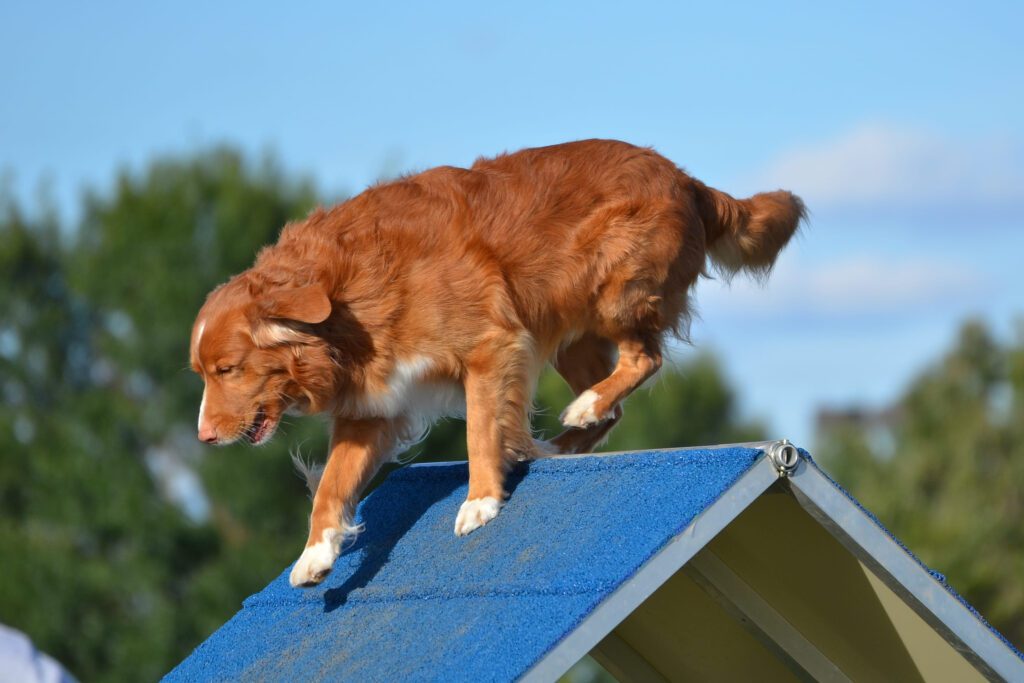
How Should I Train a Nova Scotia Duck Tolling Retriever?The Toller is quick to learn and eager to work with people. This breed excels with positive reinforcement that pairs clear cues with timely rewards. Short sessions keep focus high. Games that involve retrieving, nose work, and recall practice satisfy a Toller’s natural instincts and build reliability. Common challenges include high energy, mouthiness during play, and vocal excitement. Consistent impulse control work helps. Teach settle on a mat, polite greetings, and loose leash walking. Rotate puzzle feeders and scent games on days with bad weather. City adopters should add elevator manners and calm doorway routines. Suburban and rural adopters should focus on recall around wildlife to manage prey interest. For structured guidance that fits a busy schedule, explore Dog Academy’s online training courses, which cover puppy foundations, obedience, impulse control, and enrichment plans that keep smart dogs engaged. |
|
The ideal Illinois adopter enjoys daily activity year round and values training as part of a healthy routine. A Toller does best with people who like brisk walks, lake outings, or weekend hikes, and who can provide mental work through games and short training sessions. A predictable schedule, safe spaces for rest, and regular enrichment create a balanced life for this sensitive and athletic breed.
Take time to research, prepare your home, and set clear goals for exercise and training. Patience leads to the best match. Use Dog Academy’s adoption listings to compare options and lean on expert resources to guide each step. With thoughtful planning, you can adopt a Nova Scotia Duck Tolling Retriever in Illinois and bring home a confident partner for years to come.

Introducing a new puppy to your current dog is often an exciting process, and many dogs will become fast friends and eas...
Read More
Rescue dogs can make great companions and can transform your home into something better. These dogs make great pets and ...
Read More
You should never rush to pet a dog. Even dog owners make the mistake of approaching unfamiliar dogs and petting them rig...
Read More
Puppy mill dogs are survivors who have endured extreme hardships in their lives. They have grown up in horrendous, unsan...
Read More
With their wagging tails and comforting presence, adopting a dog can add a unique touch to your life. It’s a heart...
Read More
Older dogs may have a few gray hairs around the edges, but that doesn’t mean they can’t make wonderful companions! T...
Read More