


























































































































































































Introducing a new puppy to your current dog is often an exciting process, and many dogs will become fast friends and eas...
Read MoreAdopt Me

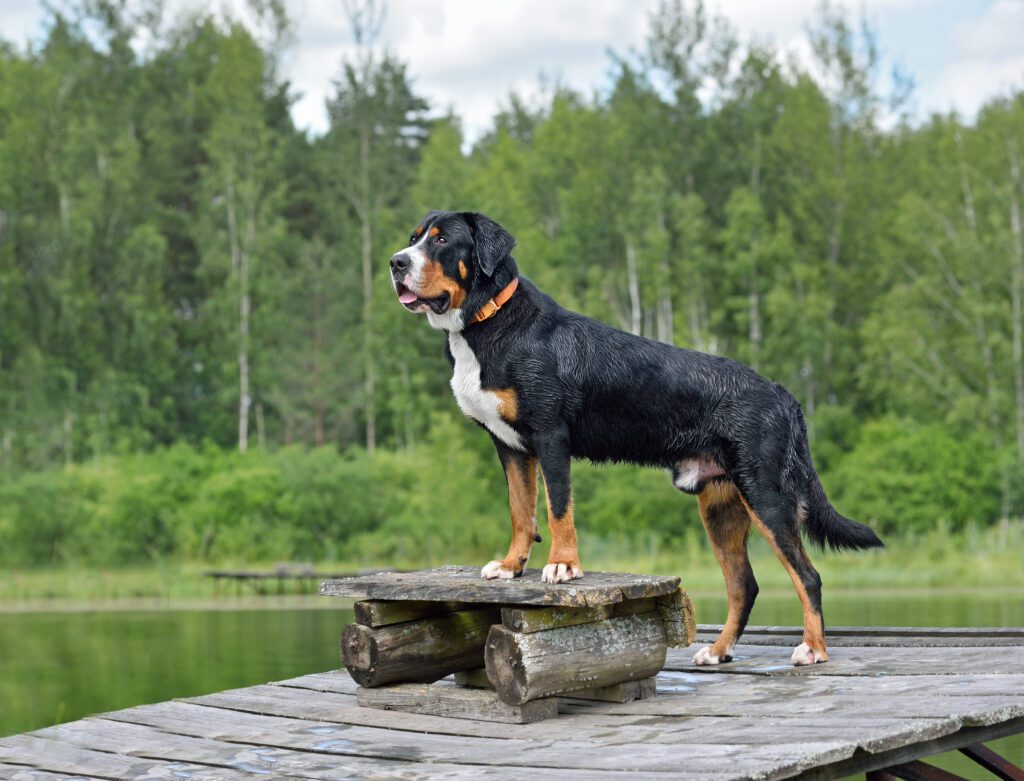


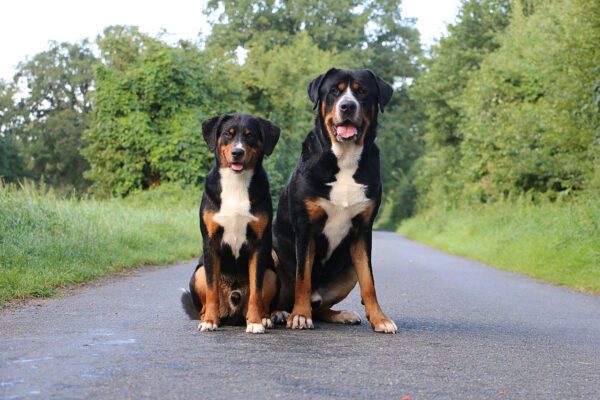
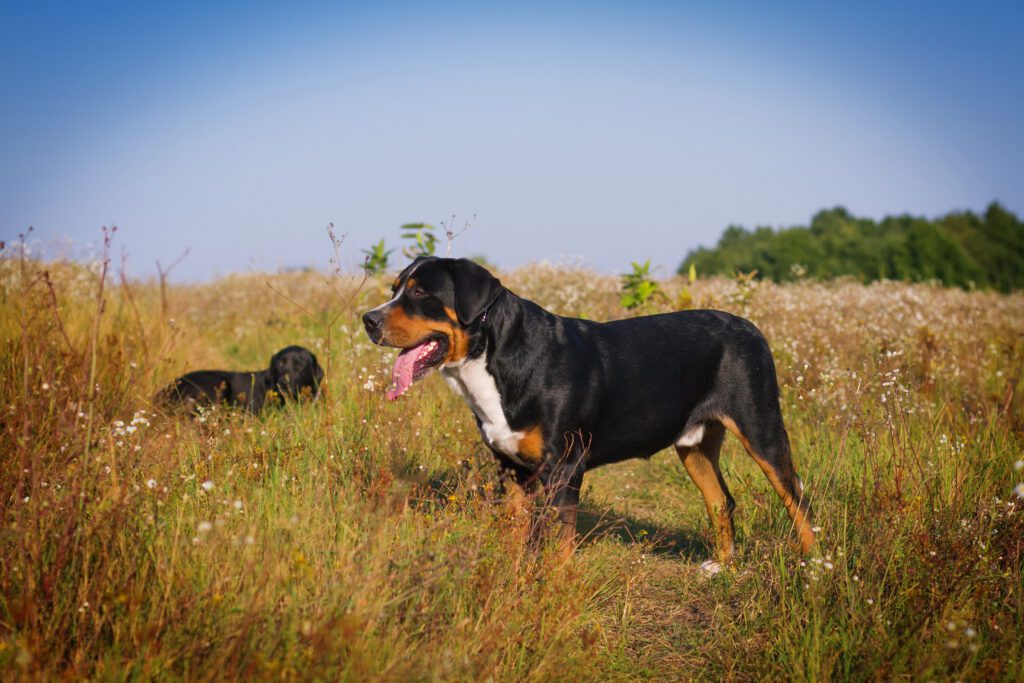
The Greater Swiss Mountain Dog is a steady, affectionate working breed that loves close family life. This dog brings a calm presence, a strong build, and a big heart. The breed thrives when it has a job to do and enjoys time with people, which makes it a loyal companion for families who value routine and outdoor time.
Research matters before you adopt a Greater Swiss Mountain Dog in Illinois. These dogs grow large, they mature slowly, and they need consistent training and structure. Adoption gives a deserving dog a second chance, and it supports responsible animal welfare. Adopting also often provides valuable history on temperament and health, which helps you choose a dog that fits your lifestyle.
Illinois can be a good match for this breed. Cold winters suit the thick double coat, and snow play can be a joy for a Swissy. Hot and humid summers require careful heat management with shade, water, and rest. City living can work with dedicated exercise and elevator manners, though suburban yards and rural properties offer more space for a dog that enjoys pulling carts, hiking, and brisk walks.
You can save time by using adoption listings that gather dogs from multiple sources in one place. Start with Dog Academy to browse available Greater Swiss Mountain Dogs across Illinois and nearby regions. Dog Academy also offers clear educational guides and practical adoption checklists that help you prepare your home, set a budget, and plan your first week with your new dog.
Look for adoptable dogs through local animal shelters, regional rescues, breed-specific rescue groups, and foster networks. Read each profile carefully and focus on age, size, temperament, and energy level. A mature Swissy may be calmer and easier for first-time large-breed owners, while a young dog may need more time and structure. Understanding the breed’s needs helps you match activity level, training goals, and living space with the right dog.
The adoption process usually begins with browsing listings and submitting an application. Applications often ask about your schedule, household members, fencing, experience with large breeds, and permission from a landlord if you rent. Most groups require references and a conversation about expectations. Meet-and-greets follow, which may occur at the shelter, at an event, or in a foster home. Many groups ask for a home check to confirm safe containment, secure storage of food and medications, and a plan for exercise and rest.
Approval timelines vary by group and by dog. Straightforward adoptions can move from application to approval in 1 to 3 weeks, while puppies or high-demand dogs can take longer. Some rescues arrange transport to move dogs between locations when a strong match is found. Transport is often coordinated by rescue volunteers or professional ground carriers who move dogs safely in crates, and costs may be included in the fee or added as a separate charge.
|
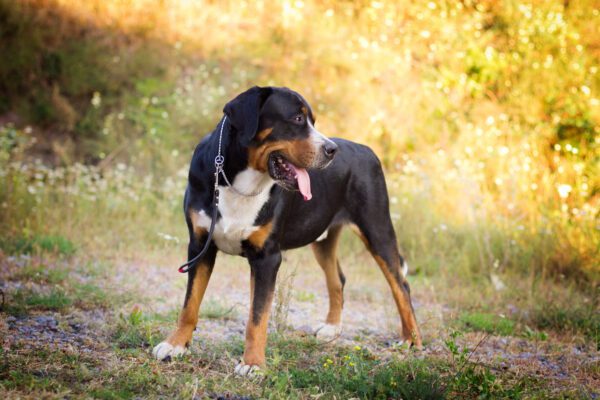
How Much Does It Cost to Adopt a Greater Swiss Mountain Dog in Illinois?A realistic adoption fee for a Greater Swiss Mountain Dog in Illinois is usually $300 to $550. Senior dogs or dogs with special needs may be closer to the lower end of that range, while younger dogs with recent medical care or training support may be at the higher end. Fees reflect costs that groups have already covered, such as spaying or neutering, vaccinations, microchipping, and veterinary exams. Age, training, medical history, and demand all influence cost. Puppies and highly in-demand adults may cost more because they receive multiple veterinary visits and early training support. Dogs that arrive with recent diagnostics, dental care, or orthopedic evaluations may also have higher fees due to those expenses being included in the adoption package. |
How Should I Train a Greater Swiss Mountain Dog?The Greater Swiss Mountain Dog is intelligent and eager to work with its person, but it can be independent and slow to mature. Short, upbeat sessions work best. Use rewards that matter to your dog, such as food, praise, or a favorite toy. Positive reinforcement builds trust and makes a large, powerful dog easier to handle. Common challenges include pulling on leash, jumping up to greet people, and slow settle times in busy environments. Teach loose-leash walking, calm greetings, and a reliable settle on a mat. Early socialization helps your dog feel comfortable with new people, dogs, surfaces, and sounds. Crate training supports safe travel and gives the dog a quiet place to rest. Consistency matters because the breed excels when the rules stay clear and the routine stays steady. For step-by-step guidance at home, explore Dog Academy’s online training courses. Courses cover foundation skills, impulse control, leash manners, and real-world behavior, which helps you channel this working breed’s drive into cooperative habits. |
|
The ideal owner is ready to guide a large, strong dog with patience and structure. A good match enjoys daily walks, short training sessions, and cool-weather adventures. A yard is helpful but not required when you provide consistent exercise and mental stimulation. A safe home setup, a plan for grooming and shedding, and a commitment to ongoing training will set you and your dog up for success.
Take your time as you adopt a Greater Swiss Mountain Dog in Illinois. Learn the breed’s needs, prepare your space, and choose the dog whose temperament fits your lifestyle. Careful research and thoughtful training create a smooth transition and a lifetime partnership built on trust and joy.

Introducing a new puppy to your current dog is often an exciting process, and many dogs will become fast friends and eas...
Read More
Rescue dogs can make great companions and can transform your home into something better. These dogs make great pets and ...
Read More
You should never rush to pet a dog. Even dog owners make the mistake of approaching unfamiliar dogs and petting them rig...
Read More
Puppy mill dogs are survivors who have endured extreme hardships in their lives. They have grown up in horrendous, unsan...
Read More
With their wagging tails and comforting presence, adopting a dog can add a unique touch to your life. It’s a heart...
Read More
Older dogs may have a few gray hairs around the edges, but that doesn’t mean they can’t make wonderful companions! T...
Read More