



























































































































































































Introducing a new puppy to your current dog is often an exciting process, and many dogs will become fast friends and eas...
Read MoreAdopt Me





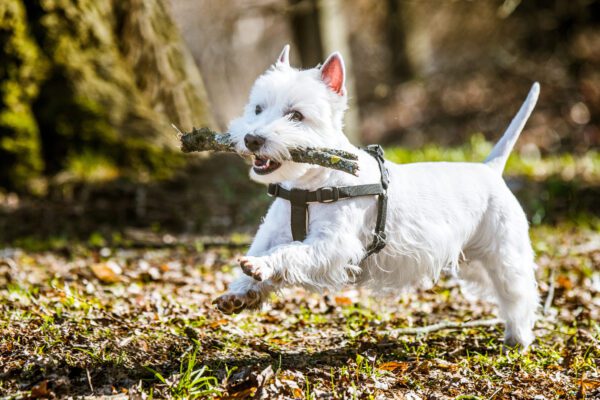
The West Highland Terrier is a cheerful, sturdy, and confident companion that loves people and play. This small terrier is lively, alert, and affectionate, which makes the breed an excellent fit for families, city dwellers, and active retirees. A Westie usually has moderate energy, a curious spirit, and a bright mind that thrives on training and games. The double coat sheds lightly yet needs consistent grooming to stay clean and healthy.
Research helps every adopter make a thoughtful choice. Adoption gives a dog a second chance while also supporting responsible animal care. Illinois offers a strong environment for Westies, though owners must plan for weather. Cold winters require warm gear and shorter outings during severe wind chills. Humid summers require shade and frequent water breaks. Urban neighborhoods provide sidewalks and dog-friendly spaces, while suburbs and rural areas offer yards that must be secure due to the terrier prey drive. With structure and daily exercise, a Westie can thrive across Illinois.
You can avoid searching shelters and rescues one by one by using Dog Academy to browse current adoption listings across Illinois. Dog Academy also provides educational guides and adoption checklists that explain how to evaluate a dog’s history, how to prepare your home, and how to plan the first week. You can start by reviewing available Westies, reading each profile, and noting age, temperament, and any medical needs.
Adoptable West Highland Terriers are commonly found through local animal shelters, regional rescues, and breed-specific rescue groups. The process typically starts with browsing listings and submitting an application that includes personal information, references, and housing details. Renters are often asked for landlord approval. Many groups ask about your schedule, yard security, and experience with terriers so they can match energy levels and training needs. Response times vary by organization and by the number of applicants, though most adopters can expect updates within 1 to 3 weeks.
After an application review, most groups schedule a meet-and-greet to ensure the dog and household are a good fit. A home check may follow, which can be virtual or in person, to confirm safe fencing, secure trash, and appropriate spaces for rest. If you already have pets, many teams require a slow introduction plan and proof of current vaccinations. Approval often leads to a brief hold period while you finalize supplies and pickup. When a dog is not located nearby, transport is often arranged by rescues to move dogs between states or regions, which is coordinated through volunteer drivers or licensed carriers to ensure safe and humane travel.
|
How Much Does It Cost to Adopt a West Highland Terrier in Illinois?In Illinois, adoption fees for a West Highland Terrier typically range from $250 to $600. Younger dogs, higher demand, and recent veterinary care can push fees toward the upper end. Fees usually include spaying or neutering, vaccinations, microchipping, and veterinary exams. Costs may also reflect recent dental work, treatment for skin or allergy issues, and training investments, which are common considerations for terriers. Senior dogs or dogs with ongoing medical needs can have lower fees to encourage adoption, while puppies often cost more due to preventive care and high interest. |
How Should I Train a West Highland Terrier?A West Highland Terrier is intelligent and quick to learn, yet the breed often shows independent terrier spirit. Positive reinforcement works best because Westies respond well to clear markers, food rewards, and upbeat praise. Short sessions keep focus high and prevent frustration. Early training should reinforce calm greetings, polite leash walking, and reliable recalls. Consistent routines and structured enrichment, such as scent games and puzzle feeders, help channel energy into good habits. Common challenges include barking at noises, chasing small animals, and testing boundaries during adolescence. You can reduce barking by teaching a quiet cue, rewarding calm behavior, and increasing mental exercise. A front-clip harness improves leash manners and protects the neck. Crate training supports house training and helps a Westie relax when alone. Socialization with people and dogs builds confidence and reduces reactivity. For step-by-step guidance tailored to terriers, you can use Dog Academy’s online training courses, which offer structured lessons, practical homework, and expert support. |

|
The ideal West Highland Terrier adopter enjoys daily walks, regular play, and consistent training. Preparation matters because good habits start on day 1. Create a safe home setup, gather grooming tools, and plan a steady routine for exercise and rest. Take time to meet different dogs, ask thoughtful questions, and choose the personality that fits your lifestyle. With patience and the right resources, you can adopt a West Highland Terrier in Illinois and build a happy, long-term partnership.

Introducing a new puppy to your current dog is often an exciting process, and many dogs will become fast friends and eas...
Read More
Rescue dogs can make great companions and can transform your home into something better. These dogs make great pets and ...
Read More
You should never rush to pet a dog. Even dog owners make the mistake of approaching unfamiliar dogs and petting them rig...
Read More
Puppy mill dogs are survivors who have endured extreme hardships in their lives. They have grown up in horrendous, unsan...
Read More
With their wagging tails and comforting presence, adopting a dog can add a unique touch to your life. It’s a heart...
Read More
Older dogs may have a few gray hairs around the edges, but that doesn’t mean they can’t make wonderful companions! T...
Read More