



























































































































































































Introducing a new puppy to your current dog is often an exciting process, and many dogs will become fast friends and eas...
Read MoreAdopt Me
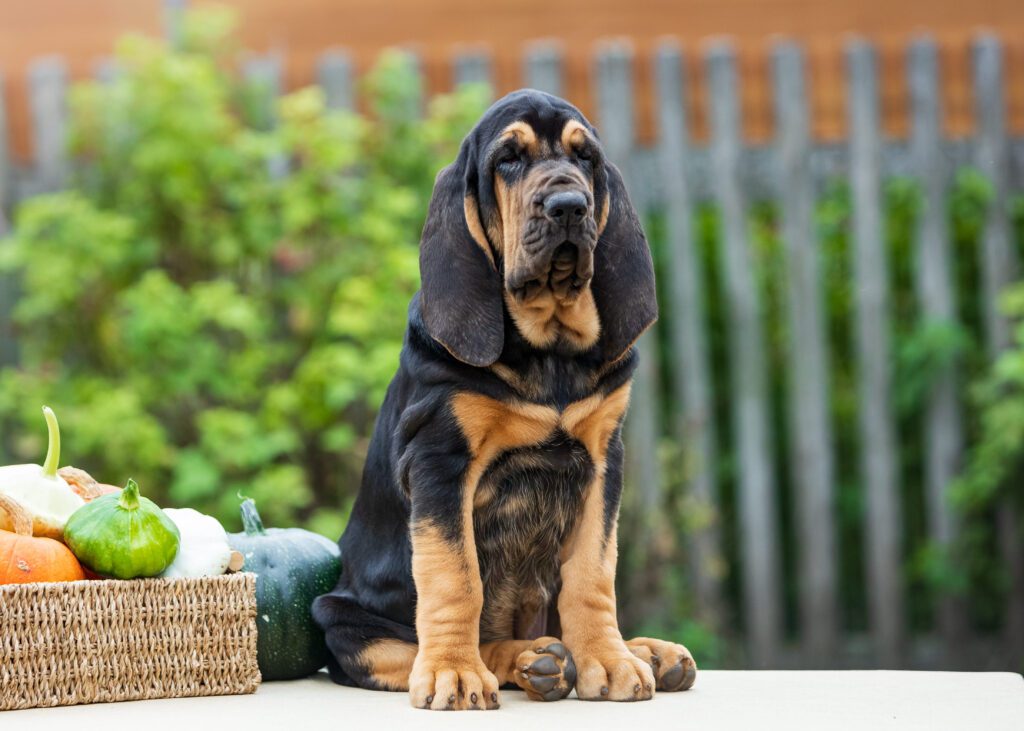
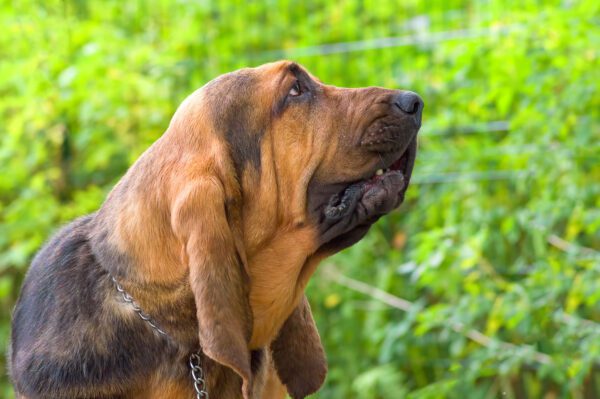
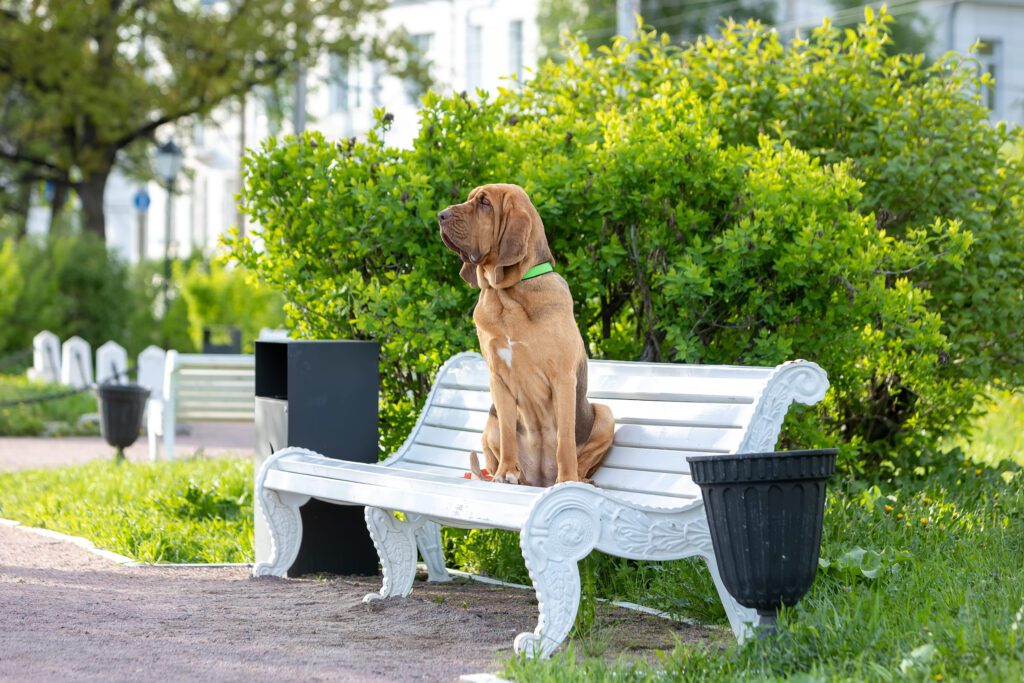
Bloodhounds are gentle, devoted, and famously nose driven. They bond closely with their families and show a calm, affectionate nature at home. Their tracking ability is world class, which makes daily sniffing and structured exercise essential. Thoughtful research matters before you bring home a large scent hound, because this breed thrives with patient training and consistent routines.
Adoption is a kind choice that gives a deserving dog a second chance. Adopted dogs often come with initial veterinary care and temperament insights that help you start strong. Hawaii offers a beautiful backdrop for shared adventures, yet the islands also create special considerations. The tropical climate stays warm year round, so a Bloodhound needs shade, fresh water, and cooler morning or evening walks. Trails and beaches invite exploration, but strong scents demand reliable management with a leash and a secure yard.
Hawaii living suits families who enjoy outdoor time and quiet companionship at home. The breed tolerates heat only when the schedule supports rest and cooling. Plan car space for a large dog, prepare for drool cleanup, and check neighborhood rules about vocal dogs, because Bloodhounds can bay when excited.
You can avoid searching rescues and shelters separately by browsing Dog Academy adoption listings. The listings gather adoptable dogs from multiple sources in one place, which saves time and keeps your search organized. Dog Academy also offers educational guides and adoption checklists that explain breed needs, home preparation, and first week routines. You can also check local animal shelters, regional rescues, and breed-specific rescue groups, and you can ask about upcoming intakes if a Bloodhound is not currently posted.
Start by browsing available profiles and reading details on age, temperament, and medical history. Submit a complete application that includes household information, pet history, landlord approval if you rent, and veterinarian references if you have current pets. Clear, honest answers help matchmakers understand your lifestyle and place the right dog with your family.
Most groups schedule a meet-and-greet after the application review. You may meet the dog at a shelter, a foster home, or a neutral location. Some teams request a home check to confirm safety, which often includes a look at fencing, shade, water access, and secure storage for food and cleaning supplies. Home checks can be in person or virtual, depending on location and volunteer availability.
Approval timelines vary by group size and the dog’s needs. In Hawaii, the process usually takes 3 to 14 days after you submit a complete application. Timelines can extend when references are delayed or when multiple applicants express interest in the same dog. If a suitable Bloodhound is on another island or the mainland, ask about transport. Rescues sometimes arrange transport between locations, which means a coordinated flight or a series of volunteer legs that move the dog safely. Transport adds steps and cost, and it may require extra health certificates and crate preparation before travel.
|
How Much Does It Cost to Adopt a Bloodhound in Hawaii?Expect an adoption fee in the range of $250 to $500 for a Bloodhound in Hawaii. The lower end is common for adults, and the higher end is common for puppies or dogs that received extensive medical care. Fees typically include spaying or neutering, vaccinations, microchipping, and veterinary exams. Many groups also include a heartworm test, flea and tick prevention, and deworming when indicated. Costs vary with age, training level, medical care, and local demand. A well socialized puppy often costs more because early care and supplies increase expenses. A dog that required surgery or dental work may sit at the top of the range. If transport is needed, the group may add a separate transport fee to cover flight costs and travel crates, which increases the total but does not change the official adoption fee. |
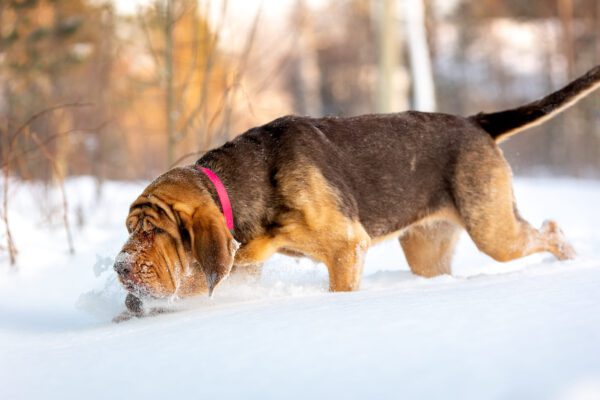
How Should I Train a Bloodhound?Bloodhounds are intelligent and independent. They track scents with intense focus, which makes distraction management more important than raw obedience. Positive reinforcement builds trust and keeps a curious hound engaged. Reward good choices with food, play, and sniff breaks, and use short, upbeat sessions to avoid boredom. Focus early on loose leash walking, impulse control, and calm greetings. Use a front-clip harness to protect the neck and to guide without conflict. Teach a strong stationing skill such as settle on a mat, because it helps during visitors, meals, and deliveries. Build recall carefully with a long line in safe spaces, then reward generously when the dog turns away from scent. Add enrichment that works with the nose, including scatter feeding, scent games, and hide-and-seek searches, to meet daily mental needs. For step-by-step support, enroll in Dog Academy’s online training courses. Courses cover foundation manners, leash skills, recall, crate training, and problem prevention. The lessons are bite sized and practical, which helps you train consistently and make progress week by week. |
|
The ideal Bloodhound guardian enjoys daily walks, patient training, and quiet time at home. A secure yard, a predictable routine, and time for grooming and ear care keep this breed healthy and happy. Families should feel comfortable with a large dog that may drool and may bay during excitement.
Preparation leads to a smooth transition. Gather supplies, review training plans, and set up rest areas before your dog arrives. Take your time, ask clear questions, and choose the match that fits your lifestyle today and for years to come. When you are ready to adopt a Bloodhound in Hawaii, use Dog Academy resources to guide each step and to support you after gotcha day.

Introducing a new puppy to your current dog is often an exciting process, and many dogs will become fast friends and eas...
Read More
Rescue dogs can make great companions and can transform your home into something better. These dogs make great pets and ...
Read More
You should never rush to pet a dog. Even dog owners make the mistake of approaching unfamiliar dogs and petting them rig...
Read More
Puppy mill dogs are survivors who have endured extreme hardships in their lives. They have grown up in horrendous, unsan...
Read More
With their wagging tails and comforting presence, adopting a dog can add a unique touch to your life. It’s a heart...
Read More
Older dogs may have a few gray hairs around the edges, but that doesn’t mean they can’t make wonderful companions! T...
Read More