







































































































































Introducing a new puppy to your current dog is often an exciting process, and many dogs will become fast friends and eas...
Read MoreAdopt Me
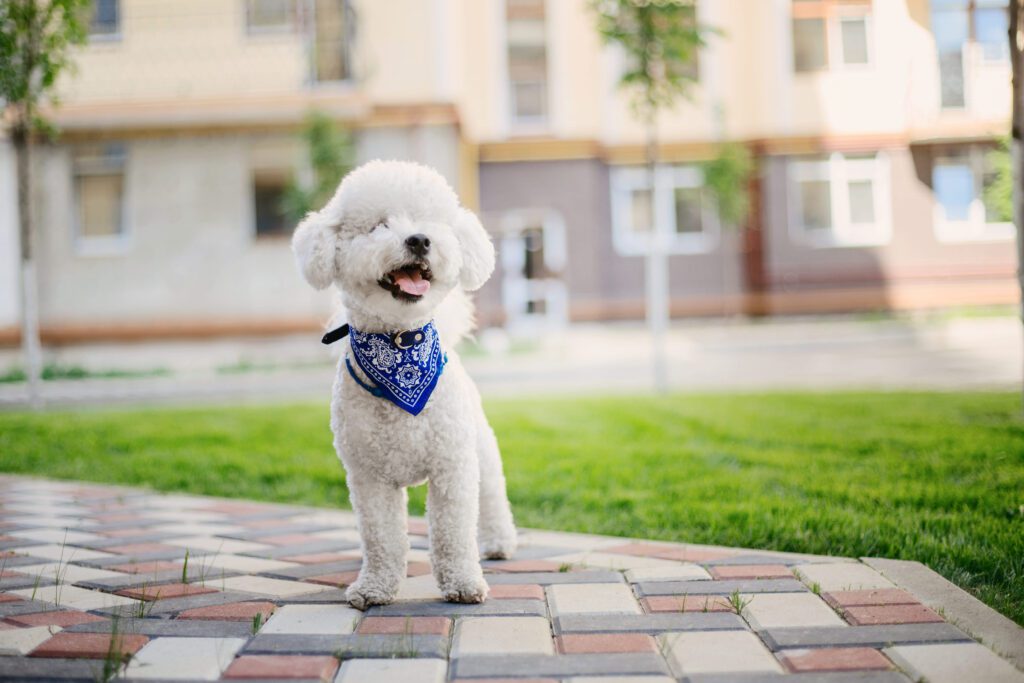
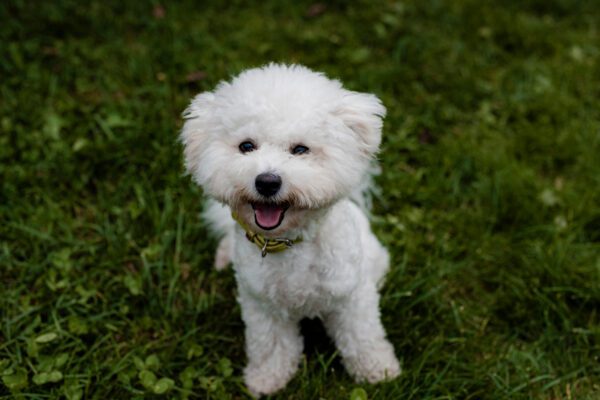
The Bichon Frise is a cheerful, affectionate, and people-focused companion. This small dog has a soft, low-shedding coat, a playful spirit, and a steady temperament that fits families, retirees, and first-time dog owners. Many people choose this breed for a friendly personality and for a coat that often works well for allergy-sensitive households.
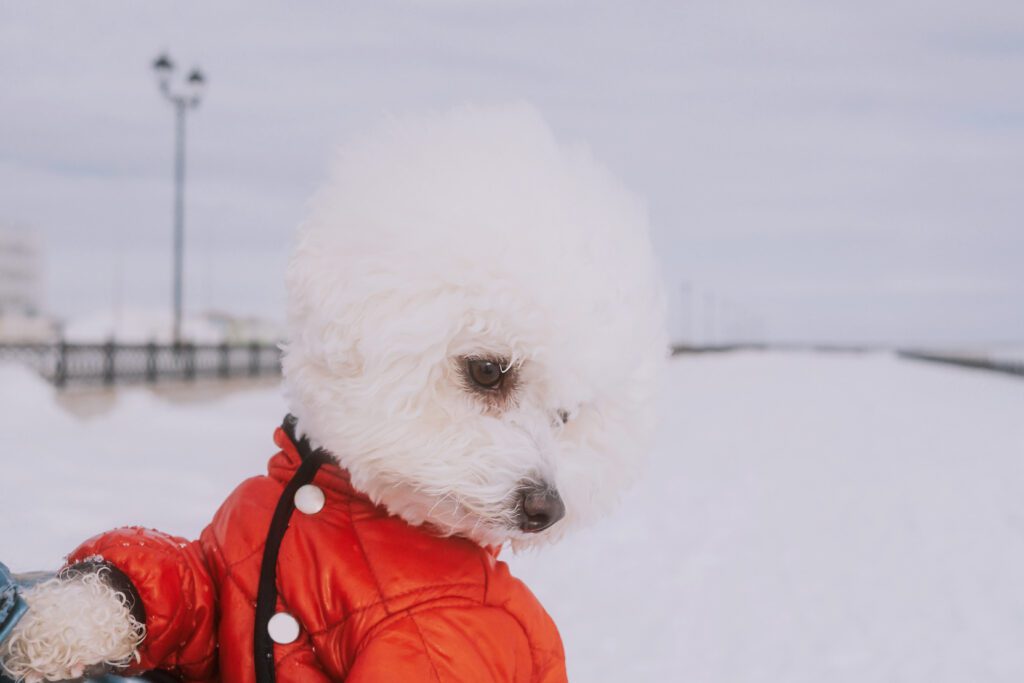
Research matters before you adopt a Bichon Frise in Virginia. This breed thrives on daily interaction, regular brushing, and professional grooming every 4 to 6 weeks. Virginia’s climate brings humid summers and cool winters. Humidity can increase matting risk, so consistent coat care is essential. Hot days call for shade, water, and shorter midday walks. Winter in the mountains and northern regions can feel brisk, so a light sweater helps during colder outings. The breed adapts well to apartments in urban areas and enjoys suburban yards, as long as daily exercise and mental enrichment stay consistent.
Adopting instead of buying saves a life and supports the work of shelters and rescues. Adoption often includes important veterinary care and provides transparency about temperament and medical history. Many dogs come from foster homes that can share insights on house manners, energy level, and compatibility with children or other pets.
You can avoid searching rescues and shelters one by one by browsing adoptable dogs through Dog Academy. You will find current listings, breed education, and step-by-step adoption checklists that help you prepare your home and choose the right match. This saves time and keeps your search organized from the start.
You can also look for adoptable dogs through local animal shelters, regional rescues, and breed-specific rescue groups that serve Virginia. Start by browsing listings and reading each dog’s profile carefully. Look for notes about age, medical needs, grooming tolerance, and energy level. You can filter by location and often choose dogs in foster homes that can answer detailed questions about daily routines.
The next step usually involves an application. You provide information about your household, schedule, experience with dogs, veterinary references, and landlord approval if you rent. An adoption counselor reviews your application and may request a phone interview. Timelines vary by group, though many applicants receive updates within 3 to 10 days.
Approved applicants are invited to a meet-and-greet. Bring all household members and any resident dogs to ensure a good fit. Some groups also complete a home check, which can be virtual or in person, to confirm that doors, windows, and yards are secure and that hazards are removed. If your chosen dog is in another part of the state, rescues may arrange transport between locations. Transport is often organized by volunteers or partner groups to move dogs safely to approved adopters.
Once approved, you sign an adoption contract and pay the fee. Many groups offer a brief trial period with support from foster contacts or counselors. Stay in touch after adoption, ask questions, and request guidance on routines, grooming, and training during the first weeks at home.
|
How Much Does It Cost to Adopt a Bichon Frise in Virginia?Most adopters in Virginia can expect to pay around $250 to $600 to adopt a Bichon Frise. Fees are often higher for puppies and lower for seniors. This range reflects the cost of spaying or neutering, vaccinations, microchipping, and veterinary exams, along with grooming to prepare the dog for adoption. Final costs depend on age, training, medical care, and demand in your area. Dogs with recent dental cleanings or specialized treatment may carry higher fees to recover expenses. Some groups include starter supplies or a training session, which can also affect pricing. You may also budget for a dog license and for travel if you meet the dog outside your immediate area. |
How Should I Train a Bichon Frise?The Bichon Frise is intelligent, social, and eager to please. Short, upbeat sessions work best. Use food rewards, praise, and play to reinforce good choices. Focus on name recognition, leash manners, and a reliable recall. Early socialization with calm dogs and kind people builds confidence and prevents reactivity. Keep sessions fun and end on a win to maintain enthusiasm. House training can take time with small breeds. Use a consistent schedule, frequent outdoor breaks, and crate training to prevent accidents. Reward the dog the moment it finishes outside. Address barking by teaching a quiet cue and by adding daily mental enrichment like puzzle feeders and scent games. For structured support, explore Dog Academy’s online training courses that cover house training, loose-leash walking, polite greetings, and enrichment plans tailored to busy households. |
|
A Bichon Frise suits adopters who want a playful companion, who can commit to regular grooming, and who enjoy daily walks and indoor together time. The breed pairs well with families, seniors, and work-from-home owners who can provide gentle training and steady attention.
Prepare your home, set a grooming budget, and give yourself time to meet several dogs. Ask thoughtful questions, review each profile carefully, and trust your instincts about fit and lifestyle. With patience and the right preparation, you can adopt a Bichon Frise in Virginia and enjoy a joyful companion for years to come.
Introducing a new puppy to your current dog is often an exciting process, and many dogs will become fast friends and eas...
Read More
Rescue dogs can make great companions and can transform your home into something better. These dogs make great pets and ...
Read More
You should never rush to pet a dog. Even dog owners make the mistake of approaching unfamiliar dogs and petting them rig...
Read More
Puppy mill dogs are survivors who have endured extreme hardships in their lives. They have grown up in horrendous, unsan...
Read More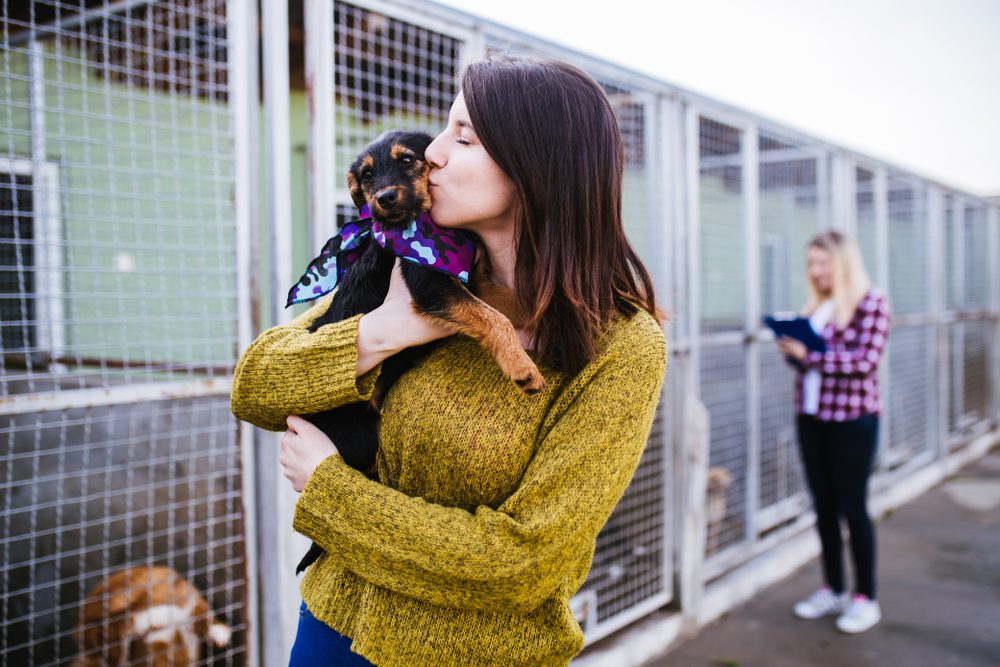
With their wagging tails and comforting presence, adopting a dog can add a unique touch to your life. It’s a heart...
Read More
Older dogs may have a few gray hairs around the edges, but that doesn’t mean they can’t make wonderful companions! T...
Read More