

















































































































Introducing a new puppy to your current dog is often an exciting process, and many dogs will become fast friends and eas...
Read MoreAdopt Me
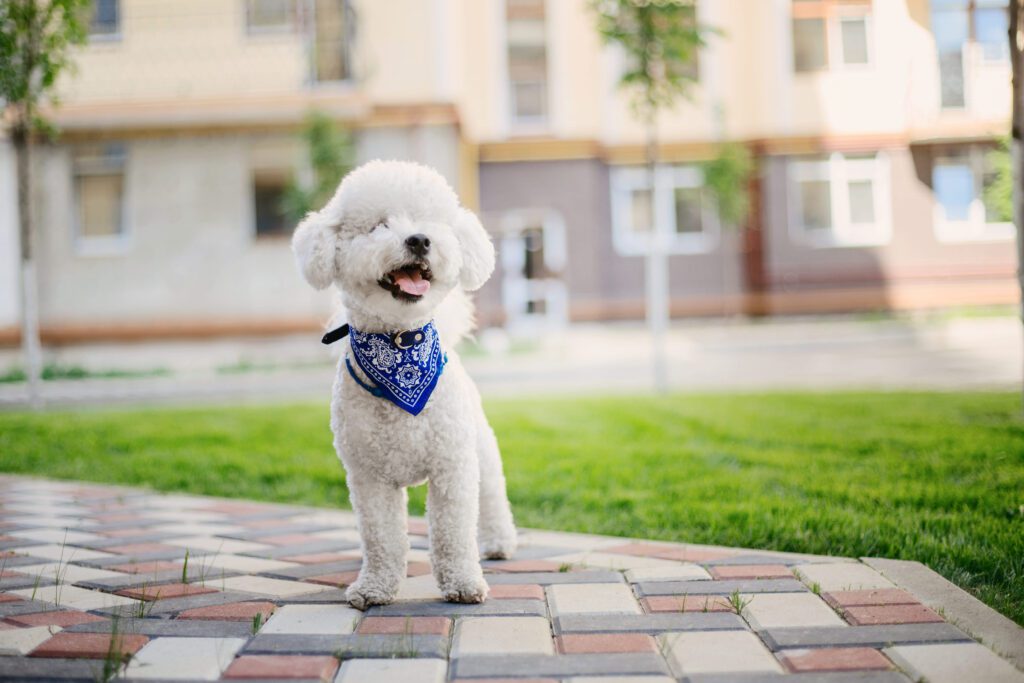

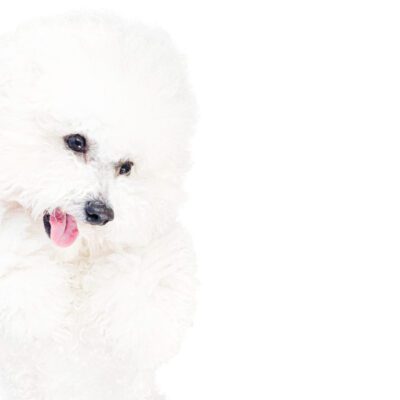
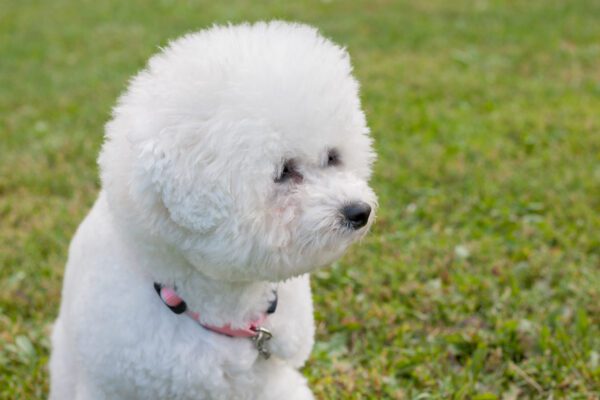
A Bichon Frise is a cheerful, affectionate companion with a soft, low-shedding coat and a bright, people-oriented personality. A Bichon Frise enjoys playtime, short walks, and plenty of cuddles, which makes the breed a great fit for families, retirees, and city dwellers. Careful research helps every adopter understand grooming needs, energy levels, and temperament before bringing a dog home.
Adoption gives a dog a second chance and supports animal welfare in the community. Adopting a Bichon Frise also helps avoid the risks that come with buying from sources that do not prioritize health or temperament. A thoughtful adoption plan sets up both the dog and the adopter for success.
New Jersey offers four distinct seasons and a mix of urban, suburban, and coastal lifestyles. Hot, humid summers mean a Bichon Frise benefits from shaded walks and indoor play during peak heat. Cold, snowy winters mean a Bichon Frise needs a warm coat and limited time outside during extreme weather. Apartment living near transit, walkable suburbs, and access to neighborhood parks suit the breed well because a Bichon Frise thrives with short daily walks and close time with people.
You can avoid searching shelters and rescues one by one by using Dog Academy to browse adoption listings in one place. Dog Academy also provides educational guides and adoption checklists that help you prepare your home, compare options, and make a confident decision.
You can find adoptable Bichon Frise dogs through local animal shelters, regional rescues, breed-specific rescue groups, and foster-based networks across New Jersey. Many organizations post detailed profiles that describe age, size, temperament, medical history, and ideal home type. You can filter listings by distance, age, and other needs to match your lifestyle.
The process usually begins when you browse listings and submit an application. An application typically asks about your household schedule, previous pet experience, landlord approval if you rent, a veterinary reference if you have owned pets, and identification. After a review, the group schedules a meet-and-greet at the shelter or at a foster home so you can see how the dog interacts with you and your family. A home check may follow, which is a quick visit or virtual call that confirms safety items such as secure doors, a plan for leashed walks, and safe storage for cleaning supplies.
Approval timelines in New Jersey often range from 1 to 3 weeks depending on application volume, responsiveness to reference checks, and the dog’s medical timeline. Some groups offer an adoption hold or a foster-to-adopt step, which is a short period when the dog lives with you while final paperwork and veterinary care finish. Rescues sometimes arrange transport to move dogs between locations, which means a volunteer or a licensed carrier brings the dog to a designated pickup site for a modest, disclosed fee. Finalizing the adoption usually involves signing an agreement, paying the fee, and receiving records that include microchip details and vaccination dates.
|
How Much Does It Cost to Adopt a Bichon Frise in New Jersey?In New Jersey, the typical adoption fee for a Bichon Frise is $300 to $600, with puppies or highly in-demand dogs sometimes reaching about $700. Fees trend slightly higher in the New York City commuter corridor due to demand and medical costs. The final fee reflects age, training history, recent medical care, and local interest in small companion breeds. Most groups include spaying or neutering, vaccinations, microchipping, and veterinary exams in the fee, and many also include dental checks, heartworm testing, grooming before placement, and a microchip registration transfer. A dog that receives extensive medical treatment or professional training may have a higher fee to offset that care. |
How Should I Train a Bichon Frise?A Bichon Frise is intelligent, people-focused, and eager to learn, which makes the breed very trainable with gentle methods. Short, upbeat sessions that use food rewards, toys, and praise help a Bichon Frise learn quickly and stay engaged. Early socialization around friendly dogs, new people, and common household sounds builds confidence and reduces anxiety. House training is a common hurdle for small dogs because small bladders require frequent breaks. A consistent schedule, crate training, and careful supervision reduce accidents and speed progress. Many Bichon Frise dogs also need guidance with alert barking and alone-time skills. Daily walks, playtime, and puzzle toys provide mental enrichment that reduces boredom and barking. You can build reliable manners with structured lessons through Dog Academy’s online training courses, which cover house training, polite leash walking, calm greetings, and strategies to prevent separation distress. |

|
The ideal adopter for a Bichon Frise wants a close companion, can provide daily walks and play, and can keep up with brushing and routine professional grooming every 4 to 6 weeks. Families, retirees, and singles who enjoy indoor time and gentle outdoor activities will likely enjoy this cheerful breed. A quiet, predictable routine helps a Bichon Frise relax and bond.
Preparation leads to a smooth transition. You can set up a crate, a safe potty area, and a plan for midday breaks before adoption day. You can take time to meet several dogs, ask careful questions, and review training and care resources. When you feel ready, you can browse adoption listings through Dog Academy and move forward with a dog that truly fits your New Jersey lifestyle.

Introducing a new puppy to your current dog is often an exciting process, and many dogs will become fast friends and eas...
Read More
Rescue dogs can make great companions and can transform your home into something better. These dogs make great pets and ...
Read More
You should never rush to pet a dog. Even dog owners make the mistake of approaching unfamiliar dogs and petting them rig...
Read More
Puppy mill dogs are survivors who have endured extreme hardships in their lives. They have grown up in horrendous, unsan...
Read More
With their wagging tails and comforting presence, adopting a dog can add a unique touch to your life. It’s a heart...
Read More
Older dogs may have a few gray hairs around the edges, but that doesn’t mean they can’t make wonderful companions! T...
Read More