


























































































































Introducing a new puppy to your current dog is often an exciting process, and many dogs will become fast friends and eas...
Read MoreAdopt Me

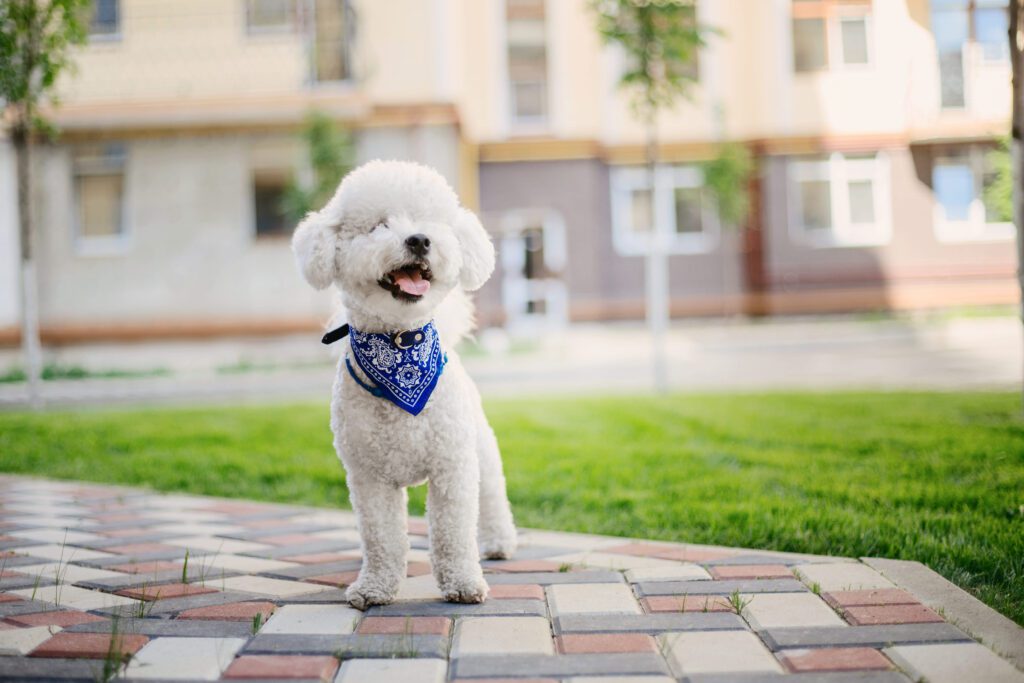
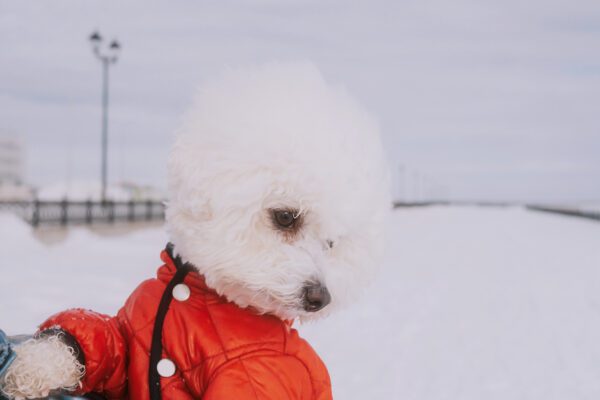
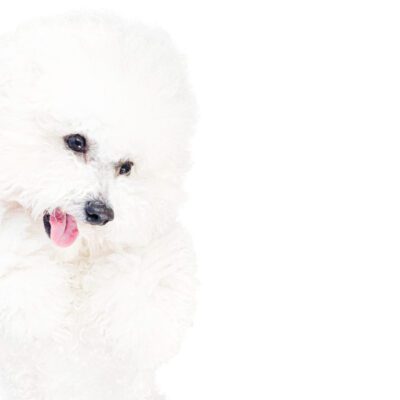
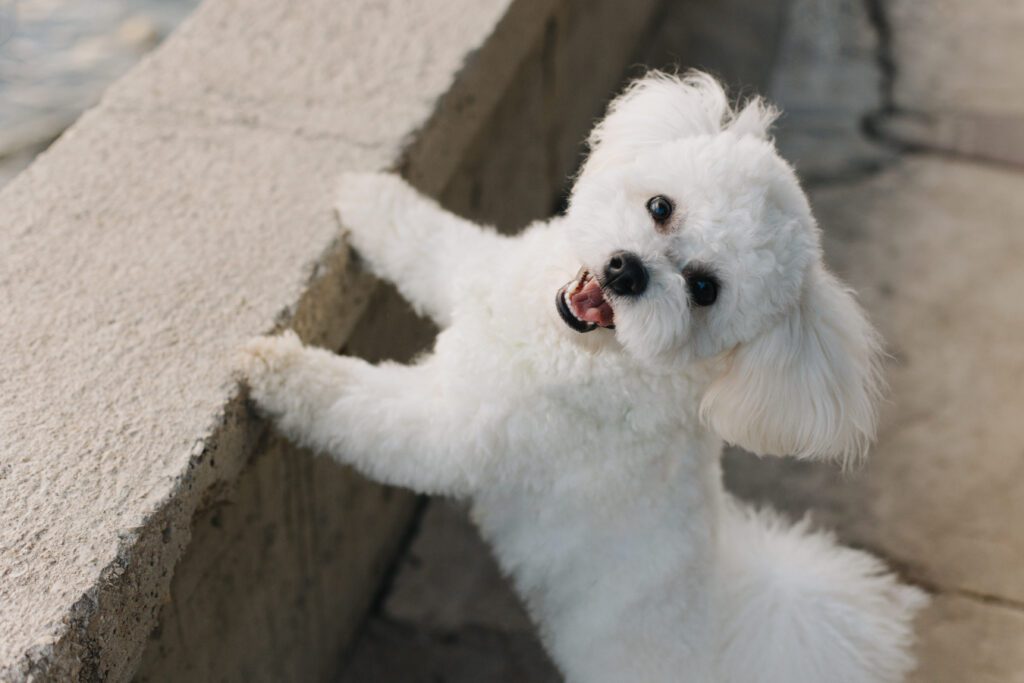
The Bichon Frise is a cheerful, gentle companion with a bright personality and a soft, low-shedding coat. This breed bonds closely with people and enjoys play, short adventures, and relaxed couch time. Careful research helps you match a dog’s needs with your lifestyle, which leads to a smooth transition and a happy long-term fit.
Adoption gives a deserving dog a second chance and it reduces demand for commercial breeding. It also gives you transparency about temperament and health because many adoptable Bichons live in foster homes that share detailed notes. In Hawaii, a Bichon Frise can thrive with the right routine. The warm climate suits short daily walks, and the island pace fits a companion dog that wants steady company. Humidity can affect coat care, so regular grooming is essential. Saltwater play is fine when you rinse the coat and skin with fresh water afterward.
Hawaii’s geography brings both benefits and challenges. Apartments and condos are common and a small, polite breed like the Bichon adapts well when it gets daily enrichment. Long flights and import rules make off-island sourcing complex, so adopting locally often proves simpler. Plan for year-round parasite prevention and schedule exercise during cooler morning or evening hours to protect paws and avoid overheating.
You can avoid searching rescues and shelters separately by browsing adoptable Bichons through Dog Academy. The listings gather dogs from local animal shelters, regional rescues, and breed-specific rescue groups in one place. You can also learn from Dog Academy’s step-by-step guides and adoption checklists so you feel prepared before you apply.
Start by reading each dog’s profile carefully. Look for age, size, energy level, medical notes, and behavior history. Compare those details with your home, schedule, and budget. A Bichon Frise typically thrives with daily interaction, gentle exercise, and a predictable routine. Be honest about your time for grooming and training because this breed needs both.
When you find a match, submit an application. Most groups ask about housing, landlord approval if you rent, current pets, and your plan for exercise and veterinary care. Many request personal or veterinary references. After an application review, you move to a phone interview and a meet-and-greet. The meeting may take place at a shelter, a foster home, or a neutral public space. Home checks are common and may be in-person or virtual. These visits confirm safe fencing, secure doors and windows, and a quiet area for decompression.
Approval timelines vary. Straightforward applications often finish in 1 to 3 weeks, while complex medical or behavioral cases can take longer. If an ideal dog lives on another island, some rescues arrange transport to move dogs between locations. Transport usually involves a health exam, a health certificate, and a coordinated flight with staff or trained volunteers, followed by a scheduled handoff at a safe pickup point. Stay flexible and responsive so coordinators can finalize plans quickly.

|
How Much Does It Cost to Adopt a Bichon Frise in Hawaii?In Hawaii, expect an adoption fee between $250 and $500 for a Bichon Frise. Puppies and high-demand adults often sit near the top of the range, while seniors usually cost less. Fees reflect medical care, grooming needs, and the resources required to support foster homes on the islands. Additional training or recent dental work can increase the fee, and inter-island transport adds costs when it is needed. Most fees cover spaying or neutering, vaccinations, microchipping, and veterinary exams. Many groups also include deworming, flea and tick prevention, and a heartworm test with the first dose of prevention. A fresh grooming and a starter bag of food are sometimes provided. Ask for a full itemized list so you understand exactly what your adoption package includes. |
How Should I Train a Bichon Frise?The Bichon Frise is intelligent, people-focused, and eager to learn. The breed responds best to positive reinforcement that uses treats, praise, and short, upbeat sessions. Keep lessons brief and frequent to prevent boredom. Reward quiet behavior and calm check-ins at home so you build manners throughout the day. Common challenges include house training, alert barking, and fussiness on the grooming table. Use a consistent potty schedule, frequent outdoor breaks, and immediate rewards for success. Teach a reliable quiet cue and give chew toys and sniffy walks to meet natural needs. Introduce handling skills early by pairing ear checks, paw touches, and gentle brushing with high-value treats. If you want a guided plan, try Dog Academy’s online training courses for step-by-step lessons you can follow at home. |
|
The ideal adopter enjoys daily companionship, sets a gentle routine, and has time for brushing, walks, and play. A Bichon Frise suits families, retirees, and remote workers who can prevent long stretches of alone time. Preparation matters. Gather supplies, puppy-proof or dog-proof your home, and choose a veterinarian before your dog arrives.
Adopt at your own pace and ask clear questions about behavior, health, and grooming. When you take time to research, match needs, and plan support, you give your new Bichon the best possible start in Hawaii.
Introducing a new puppy to your current dog is often an exciting process, and many dogs will become fast friends and eas...
Read More
Rescue dogs can make great companions and can transform your home into something better. These dogs make great pets and ...
Read More
You should never rush to pet a dog. Even dog owners make the mistake of approaching unfamiliar dogs and petting them rig...
Read More
Puppy mill dogs are survivors who have endured extreme hardships in their lives. They have grown up in horrendous, unsan...
Read More
With their wagging tails and comforting presence, adopting a dog can add a unique touch to your life. It’s a heart...
Read More
Older dogs may have a few gray hairs around the edges, but that doesn’t mean they can’t make wonderful companions! T...
Read More