



























































































































































































Introducing a new puppy to your current dog is often an exciting process, and many dogs will become fast friends and eas...
Read MoreAdopt Me
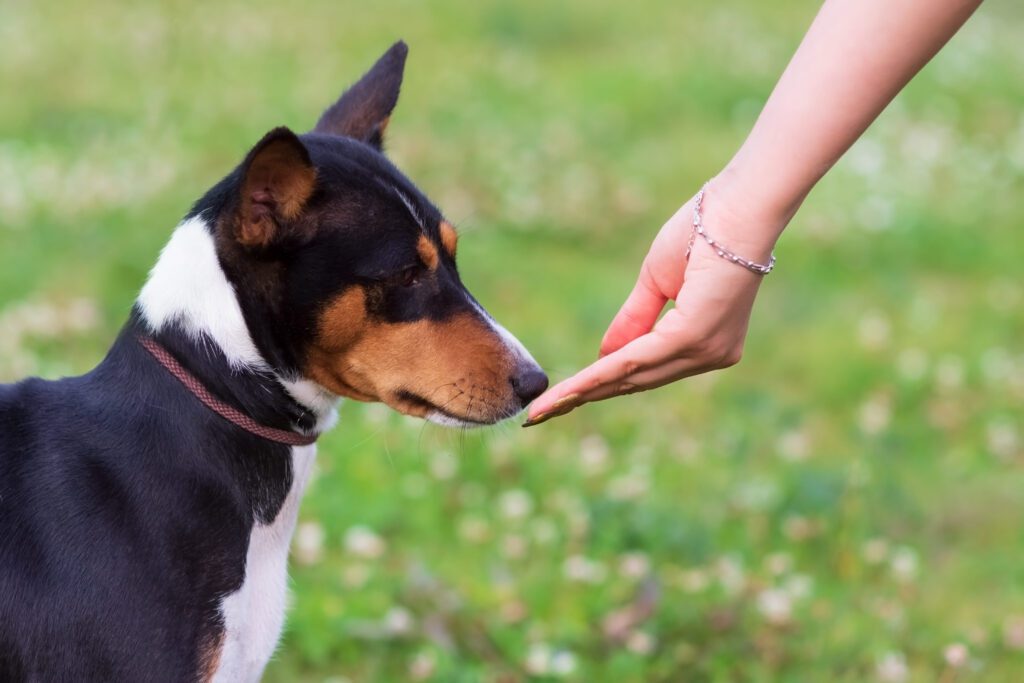
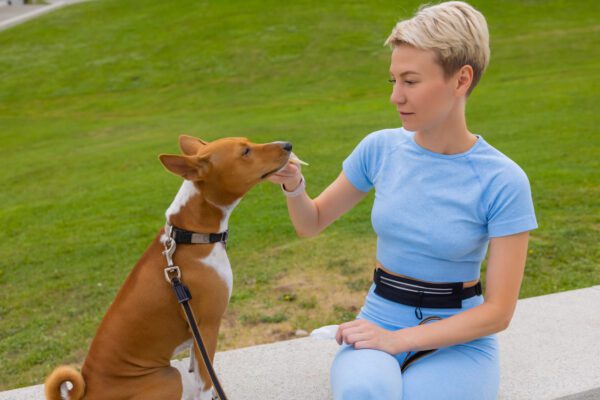
The Basenji is alert, athletic, and clean. Many people love this breed for its cat-like grooming, low odor, and quiet nature. A Basenji rarely barks, yet it communicates through yodels and expressive body language. The breed loves to explore and stays busy, which makes it a fun partner for active people who enjoy long walks, structured play, and puzzle toys.
Thoughtful research always leads to better adoptions. Learning about exercise needs, prey drive, and training style helps you set clear expectations before you bring a dog home. Adoption is a responsible path because it gives a waiting dog a second chance while supporting ethical placement practices and transparent health histories.
Maryland offers four distinct seasons, which suits a Basenji as long as you plan for weather. Hot, humid summers call for shaded walks and water breaks. Cold winters call for a warm coat and limited time outdoors during icy conditions. The state includes urban neighborhoods, coastal areas along the Chesapeake Bay, and leafy suburbs with fenced yards. A Basenji adapts well when daily exercise is consistent and when off-leash time happens only in secure, fully fenced spaces.
You can skip searching shelters and rescues one by one by browsing curated adoption listings on Dog Academy. You can also use the educational guides and checklists on Dog Academy to prepare for the application and homecoming. Beyond Dog Academy, you can look at local animal shelters, regional rescues, and breed-specific rescue groups that serve Maryland and nearby states.
The process usually starts with browsing listings. Each listing typically includes age, size, medical notes, and a description of temperament. Once you find a likely match, you complete an application that asks about housing, fencing, daily schedule, children in the home, and other pets. Many organizations request personal references or a landlord check when applicable, which helps confirm that the home suits the dog’s needs.
After an application review, you move to a meet-and-greet. This step often happens at a shelter, at a foster home, or at a neutral public space. If you have resident pets, a slow and supervised introduction ensures everyone stays comfortable. Some groups also complete a virtual or in-person home check. A home check simply verifies safety basics such as secure fencing, safe storage of cleaning products, and an appropriate space for rest and feeding.
Approval timelines vary. Many Maryland groups complete reviews within 1 to 3 weeks, although puppies or highly requested dogs may take longer due to higher demand. If the best match happens to live outside Maryland, rescues often arrange transport to move dogs between locations. Transport may involve volunteer drivers who relay dogs across routes or licensed carriers who deliver directly to a pickup point, and the group will explain costs, schedules, and safety protocols in advance.
|
How Much Does It Cost to Adopt a Basenji in Maryland?Most adopters in Maryland can expect a Basenji adoption fee in the range of $350 to $600. The fee reflects breed popularity, the cost of veterinary care in the region, and the resources needed to evaluate homes and support post-adoption follow-up. Urban areas with higher operating costs may fall at the upper end of the range. Age, training, and medical care affect pricing. Puppies often cost more due to vaccinations and early training support. Seniors may cost less because they need placement incentives. Well-vetted dogs that arrive already altered and microchipped often sit in the middle of the range. Fees commonly include spaying or neutering, vaccinations, microchipping, and veterinary exams. Some groups also include heartworm tests, fecal tests, and a starter supply of preventives, which can influence the final amount. |
How Should I Train a Basenji?The Basenji is intelligent, curious, and independent. The breed learns quickly when training sessions stay short, upbeat, and consistent. A Basenji responds best to positive reinforcement that uses high-value treats, play, and praise. Harsh corrections reduce trust and can create avoidance, so clear markers and rewards work better. Focus on attention, recall, leave-it, and polite leash skills early to channel energy and manage prey drive. Mental stimulation is as important as physical exercise. Rotate puzzle feeders, scent games, and controlled fetch to prevent boredom. Practice impulse control at doors and gates because many Basenjis love to dash through open spaces. For structured support at home, explore Dog Academy’s online training courses, which break skills into simple steps and provide guidance tailored to real-life routines in busy Maryland households. |

|
A great Basenji match often suits an adopter who enjoys daily activity, values routine, and appreciates a clever dog with a strong personality. A secure yard, a plan for weather-friendly exercise, and a commitment to positive training set you up for success.
Take your time, ask detailed questions, and prepare your home before you bring your dog home. When you move at a thoughtful pace, you give yourself and your future Basenji the best chance to thrive together in Maryland.

Introducing a new puppy to your current dog is often an exciting process, and many dogs will become fast friends and eas...
Read More
Rescue dogs can make great companions and can transform your home into something better. These dogs make great pets and ...
Read More
You should never rush to pet a dog. Even dog owners make the mistake of approaching unfamiliar dogs and petting them rig...
Read More
Puppy mill dogs are survivors who have endured extreme hardships in their lives. They have grown up in horrendous, unsan...
Read More
With their wagging tails and comforting presence, adopting a dog can add a unique touch to your life. It’s a heart...
Read More
Older dogs may have a few gray hairs around the edges, but that doesn’t mean they can’t make wonderful companions! T...
Read More